
How To
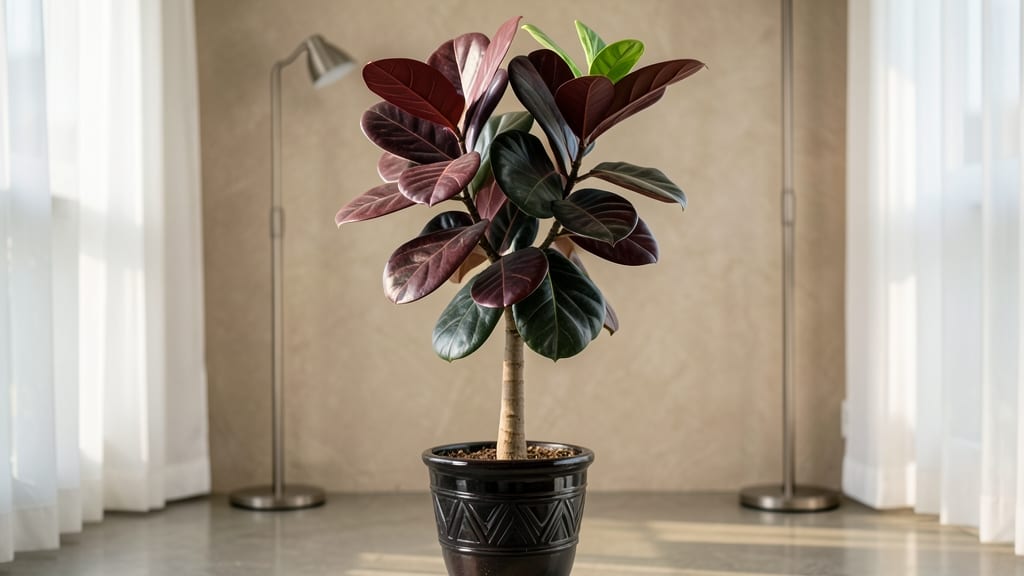
A rubber tree can grow 10 to 30 feet tall—whether indoors or out—depending on light, care, and how much space you let it claim.
Picture this: a lush, glossy-leaved giant stretching toward your ceiling, its branches heavy with new growth. That’s the potential of Ficus elastica when given the right conditions, though many indoor plants never reach their full height because of common care mistakes.
Indoors, most rubber trees stay between 5 and 10 feet unless you’re intentional about pruning or providing optimal light. Outdoors, in warmer climates, they can soar to 25 feet or more, acting more like a small tree than a houseplant.
In this guide, I’ll break down how to encourage (or control) that growth, from light placement to pruning tricks—so you can decide whether you want a towering statement plant or a manageable centerpiece.


Rubber tree height limits: indoor growth potential explained
Your indoor rubber tree (Ficus elastica) can reach impressive heights with the right care—typically between 5 to 10 feet indoors, though some mature specimens surpass 15 feet in ideal conditions. Unlike its outdoor counterparts, indoor growth is slower due to limited space and controlled environments.
The key to maximizing height lies in understanding its light needs, pruning habits, and container size.
Most indoor rubber trees grow about 1 to 2 feet per year, but this varies based on care. Without proper attention, they may become leggy and weak, sacrificing height for sprawling branches.
I’ve seen healthy, well-maintained rubber trees in conservatories hit 12 to 15 feet—think of them as indoor skyscrapers for your home! The difference between a 5-foot and a 15-foot tree often comes down to consistent light exposure and strategic pruning.
⚠️ NON-NEGOTIABLE: Your rubber tree’s height potential depends on these three factors: light intensity, pruning frequency, and root space. Skimp on any of these, and you’ll end up with a stunted, leggy plant instead of a towering statement piece. Let’s break down how each factor plays a role in determining your tree’s ultimate height.
Indoor Rubber Tree Height Factors
| Factor | Impact on Height | Ideal Condition |
|---|---|---|
| Light Exposure | Directs vertical growth; too little = leggy | Bright, indirect light (4-6 hours/day) |
| Pruning Technique | Encourages bushier growth or height | Prune leggy stems; avoid over-trimming |
| Pot Size | Root-bound trees grow slower | 1-2 inches larger than root ball |
| Fertilization | Supports steady, healthy growth | Balanced 10-10-10, spring/summer |
| Humidity Levels | Low humidity = slower growth | 40-60% humidity (use pebble trays) |
Let’s start with light exposure, the most critical factor for height. Rubber trees thrive on bright, indirect light—think of an east-facing window or a few feet from a south-facing window.
Without enough light, your tree will stretch toward any available source, creating those unsightly leggy stems that grow tall but weak.
I once had a rubber tree in a dim corner that barely grew past 3 feet in 3 years, while a friend’s tree in a sunroom hit 8 feet in the same time—just from better light!
Next, pruning plays a dual role: it can either encourage height or control it. If you want a taller tree, avoid heavy pruning at the top. Instead, trim leggy lower branches to redirect energy upward. For a bushier look, prune the top stem to encourage side shoots.
I prune my rubber tree once a year in early spring, focusing on removing overly long stems while leaving the top untouched to maintain height.
Don’t underestimate the power of pot size. A rubber tree in a cramped pot will grow slowly because its roots can’t expand. If you want a taller tree, upgrade to a 1-2 inch larger pot every 2-3 years.
I repotted my rubber tree last year into a 16-inch diameter pot, and within 6 months, it grew 2 feet taller than before. The rule of thumb? Bigger pot = bigger plant, but only up to a point—too much space can lead to overwatering issues.
For maximum height, combine these factors with consistent care. My 12-foot indoor rubber tree thrives because it gets 6 hours of morning light, is pruned lightly each spring, and sits in a large ceramic pot.
The secret? Patience. Rubber trees grow slowly but steadily, so don’t expect overnight results. With the right conditions, you can easily grow a 10-foot indoor tree—perfect for adding drama to your living space!
One common misconception is that rubber trees grow continuously without stopping. In reality, their growth slows in winter due to lower light and cooler temperatures. If you notice no new leaves in winter, don’t panic—it’s normal!
Focus on light and humidity during this season to keep your tree healthy for spring’s growth spurt. I’ve seen rubber trees double their height in a single growing season with ideal care.
If you’re
Outdoor rubber tree growth: how big can it get without control?
When left completely unrestrained in ideal conditions, a rubber tree (Ficus elastica) can reach staggering heights outdoors—often 15 to 25 feet tall, with some tropical specimens surpassing 30 feet. In their native habitats, these trees grow as small forest giants, competing for sunlight in dense jungles.
The key difference between wild and cultivated rubber trees lies in their growth environment and pruning habits.
Outdoor rubber trees thrive in USDA zones 10–12, where warm climates and abundant rainfall accelerate their growth. Without pruning, they develop a single, dominant trunk that can grow 1–2 feet per year under perfect conditions.
However, in cooler climates or containerized settings, growth slows dramatically, often reaching only 6–10 feet in 5–10 years.
🌿 Comparison Table: Outdoor Rubber Tree Growth Factors
| Growth Factor | Wild Rubber Tree | Cultivated Outdoor Tree | Containerized Outdoor Tree |
|---|---|---|---|
| Mature Height | 25–50+ ft | 15–25 ft | 6–10 ft |
| Growth Rate | 1–2 ft/year | 1–1.5 ft/year | 6–12 inches/year |
| Climate Needs | Tropical (USDA 10–12) | USDA 10–12 | USDA 10–12 (or greenhouses) |
| Pruning Needs | None (natural) | Minimal (structural) | Regular (size control) |
| Warning Signs of Overgrowth | Competes with understory | Trunk cracks, leaf drop | Root-bound, stunted leaves |
One of the first warning signs of overgrowth in outdoor rubber trees is trunk splitting, where the wood can’t support its own weight. You’ll also notice yellowing leaves at the base, a sign the tree is struggling to transport nutrients upward.
In containerized settings, root-bound conditions slow growth and lead to stunted foliage or even death if ignored.
If you’re growing a rubber tree outdoors in a pot, uprooting and repotting every 2–3 years is critical. The root system expands aggressively, and a 15–20 gallon container is the minimum for a mature plant.
Without proper root space, the tree will stop growing vertically and focus energy on root development instead.
For gardeners in USDA zones 9 and below, outdoor rubber trees are best treated as seasonal plants. They’ll grow rapidly in summer but require indoor overwintering to survive. Even then, their height gain is limited compared to tropical climates where they can grow year-round.
🌳 Whether you’re aiming for a tropical jungle vibe or a manicured patio tree, understanding these growth patterns helps you set realistic expectations—and avoid a 30-foot monster in your backyard!