
How To
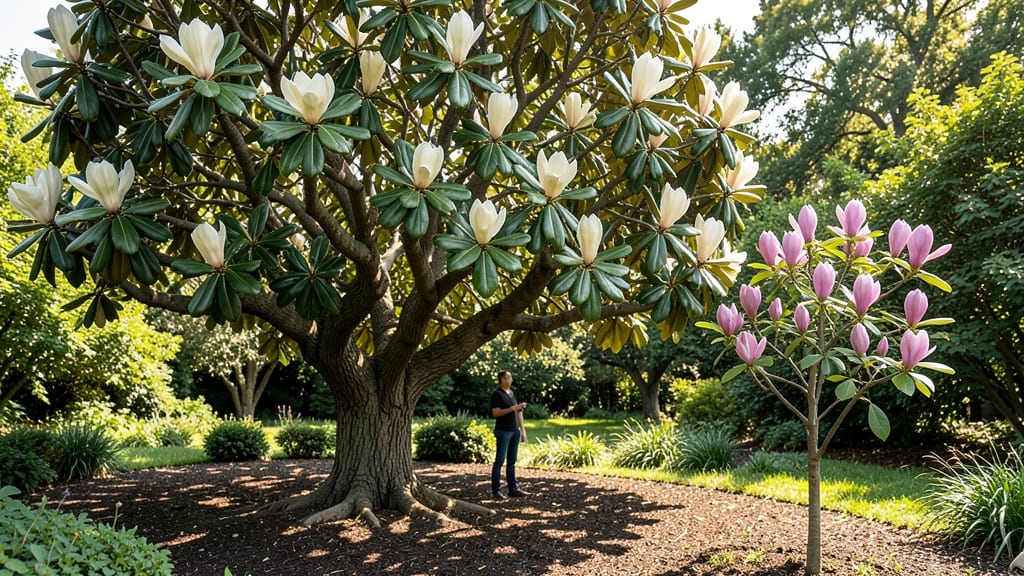
A magnolia tree can grow how tall can a magnolia tree grow anywhere from 10 feet to towering over 80 feet, depending on the species and growing conditions.
Dreaming of a majestic magnolia tree 🌳 in your yard but unsure how much space to allocate? The height of these iconic flowering trees can vary dramatically by species—from compact shrubs to towering giants—making proper planning essential for both aesthetic and practical reasons.
Some varieties, like the dwarf magnolia, stay under 15 feet, perfect for small gardens, while others, such as the Southern magnolia, can reach heights of 100 feet or more in ideal conditions. Understanding these differences is key to choosing the right tree for your space.
In this guide, I’ll break down the height ranges of popular magnolia species, share tips for estimating future growth, and offer practical advice on managing their size through pruning and care.


Magnolia tree height by species: from dwarf varieties to towering giants
Choosing a magnolia tree often comes down to one key question: how tall can a magnolia tree grow? The answer varies wildly—some stay small enough for containers, while others become towering forest giants. Understanding these differences helps you plan spacing, pruning, and even neighborhood compatibility before planting.
Magnolia trees are divided into three broad height categories: dwarf varieties (8–15 ft), medium-height (15–30 ft), and towering giants (40–100+ ft). The species you choose determines not just the tree’s height but also its growth rate, bloom size, and care requirements.
Let’s explore the most popular options and their mature heights.
| Species Name | Mature Height | Growth Rate | USDA Zones | Sunlight Needs |
|---|---|---|---|---|
| Magnolia stellata (Star Magnolia) | 10–15 ft | Slow to moderate | 4–9 | Full sun to partial shade |
| Magnolia 'Little Gem' (Dwarf Southern) | 15–20 ft | Moderate | 6–10 | Full sun |
| Magnolia grandiflora (Southern Magnolia) | 60–80 ft | Slow | 6–10 | Full sun to partial shade |
| Magnolia 'Black Tulip' | 12–15 ft | Slow | 5–9 | Partial shade |
| Magnolia virginiana (Sweetbay Magnolia) | 30–50 ft | Moderate | 5–9 | Partial shade |
| Magnolia 'Jane' (Dwarf Hybrid) | 8–12 ft | Slow | 5–9 | Full sun to partial shade |
| Magnolia campbellii (Campbell Magnolia) | 20–30 ft | Moderate | 7–9 | Partial shade |
| Magnolia 'Elizabeth' (Dwarf Saucer) | 10–15 ft | Slow | 4–8 | Partial shade |
| Magnolia tripetala (Umbrella Magnolia) | 40–60 ft | Slow | 4–8 |
How to estimate your magnolia tree’s future height before plantingWhen selecting a magnolia tree, knowing its potential height is crucial for long-term planning. A Southern magnolia (Magnolia grandiflora) can reach 60-80 feet, while a star magnolia (Magnolia stellata) stays compact at 15-25 feet. Without proper spacing, your dream tree could quickly become a space invader, blocking sunlight or damaging structures. Here’s how to estimate future height accurately before planting. Start by checking the nursery tag or plant label, which lists the mature height range for the specific variety. For example, a Little Gem magnolia is labeled as 20-25 feet at maturity, while a Kkaudok magnolia may only reach 12-15 feet. These labels are based on ideal growing conditions, but real-world factors like soil quality, sunlight, and climate can influence growth rates. 🌳 Magnolia Height Estimation Guide
Dwarf Varieties
8-15 ft
Semi-Dwarf
15-25 ft
Standard Types
30-80 ft Pro Tip: Multiply mature height by 0.7-0.9 for 10-year growth estimates in average conditions. Next, consider the growth rate listed on the tag, often described as "slow," "moderate," or "fast." A slow-growing magnolia, like Magnolia virginiana, may add only 1-2 feet per year in height, while a fast-growing variety like Magnolia × soulangeana can grow 2-3 feet annually. Use this rate to calculate how long it will take to reach maturity in your space. For precise spacing, refer to USDA spacing charts or local extension service guidelines. A 20-foot magnolia needs at least 15-20 feet of clearance from structures, power lines, and other trees. Always plant 3-5 feet deeper than the root ball to encourage robust root development, which directly impacts future height and stability. Finally, account for your local climate zone. Magnolias in USDA Zone 7 or warmer may grow taller and faster due to longer growing seasons, while those in cooler zones like Zone 5 might stay shorter. Adjust your height estimates downward by 10-20% if your area has shorter growing seasons or poor soil drainage. By combining nursery tag data, growth rates, and local conditions, you’ll avoid the common mistake of planting a magnolia too close to your home or driveway. A little upfront research ensures your tree thrives for decades without becoming a nuisance. Happy planting! 🌿 |