
How To
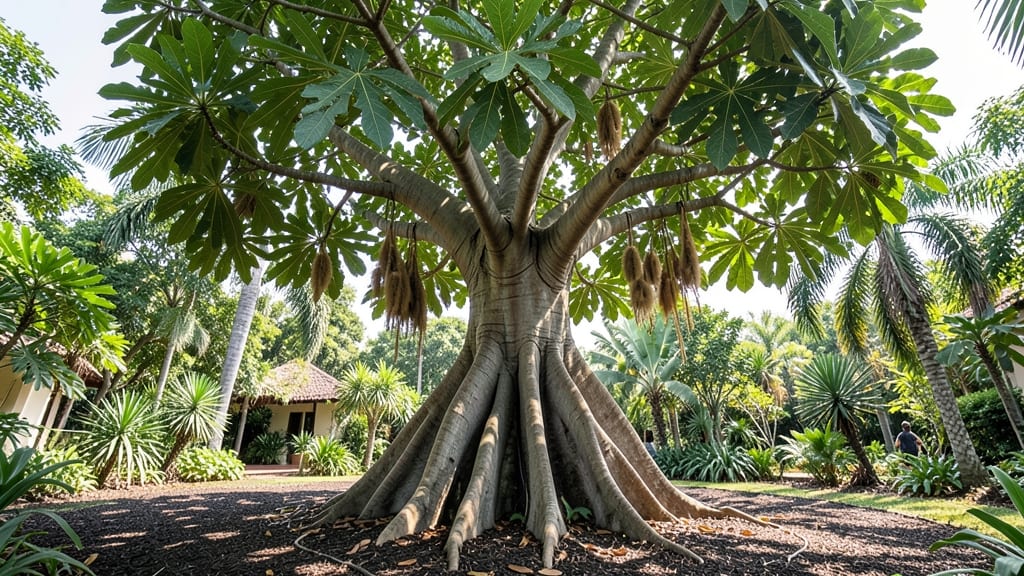
A kapok tree can grow up to 200 feet tall 🌳, making it one of the fastest-growing giants in tropical forests.
Imagine a tree soaring higher than a 5-story building, its branches forming a canopy that rivals the tallest redwoods—yet it can reach that height in just 30 years under ideal conditions.
That’s the kapok tree (Ceiba pentandra), a tropical powerhouse that doesn’t just grow tall—it grows fast, leaving many gardeners wondering how to harness its potential in their own landscapes.
Whether you’re planning a backyard jungle or a tropical agroforestry system, understanding the kapok tree’s growth habits is key. From its love of full sun to its need for well-draining soil, this tree thrives where others falter—but only if you give it the right conditions.
Let’s break down what it takes to help your kapok tree reach its full height potential.
In this guide, you’ll discover the secrets behind its record-breaking growth, the fastest-growing varieties, and practical tips to encourage rapid height gains—without common pitfalls. Ready to grow a tree that defies expectations?


Kapok tree height records: how tall can it really grow?
The kapok tree (Ceiba pentandra) stands as a true titan of the tropical forest, capable of reaching heights that dwarf most other trees. In its natural habitat, these majestic giants can grow up to 200 feet tall, with trunks measuring over 6 feet in diameter.
Their rapid growth rate—sometimes 3-5 feet per year—makes them one of the fastest-growing hardwood trees in the world. But how do these records compare between wild and cultivated settings?
Under ideal conditions, kapok trees in tropical rainforests like those in South America, Africa, and Southeast Asia achieve their maximum heights. However, even in cultivated landscapes, they can reach 100-150 feet with proper care.
The difference in height is largely influenced by soil quality, rainfall, and competition for sunlight. In urban or managed plantations, growth may be slightly stunted but still impressive.
Here’s a quick breakdown of the kapok tree’s height records across different environments, including the factors that shape their growth:
In wild tropical rainforests, kapok trees thrive with minimal competition, allowing them to reach their full 200-foot potential. The Amazon Basin and Southeast Asian jungles are prime examples where these trees dominate the canopy.
Their massive buttress roots and lightweight wood help them stabilize in deep, fertile soils while reaching for sunlight.
When grown in cultivated plantations, kapok trees still impress with heights of 100-150 feet, though their growth may slow slightly due to managed spacing and selective pruning.
These settings prioritize timber production, so trees are often harvested before reaching their absolute maximum height. However, with optimal care, they can still rival their wild counterparts.
In urban landscapes, kapok trees face challenges like limited space, pollution, and pruning restrictions, which cap their height at 50-80 feet. Despite these obstacles, they remain a stunning focal point in parks and large gardens.
Their fast growth rate makes them ideal for quickly establishing shade, though regular maintenance is key to preventing overgrowth.
Even in greenhouse or conservatory settings, kapok trees can grow to 20-40 feet, though their height is naturally restricted. These environments are best suited for young saplings or dwarf varieties, where gardeners can observe their growth patterns up close.
The controlled climate ensures they thrive, but their potential is limited by ceiling heights.
One of the most fascinating aspects of kapok trees is their growth rate. Young trees can grow 3-5 feet per year, making them one of the fastest-growing hardwood species. This rapid growth is driven by their deep root systems and ability to photosynthesize efficiently in tropical climates.
For gardeners looking to cultivate kapok trees, providing well-draining soil, full sunlight, and consistent moisture will maximize their height potential.
If you’re considering planting a kapok tree in your garden, remember that space is critical. These trees are not suitable for small yards but excel in large properties, agroforestry systems, or tropical landscapes.
Their ecological benefits, including carbon sequestration and wildlife habitat, make them a valuable addition to sustainable gardens. With the right conditions, your kapok tree could one day rival the towering giants of the rainforest.
For those in subtropical or warm temperate climates, kapok trees can be grown outdoors year-round, while colder regions may require container cultivation or greenhouse care. Always check your USDA hardiness zone (typically 10-12) to ensure success.
With patience and proper care, you could nurture a kapok tree that reaches impressive heights and becomes a centerpiece of your landscape.
🌳
Fastest-growing kapok tree varieties and growth conditions
The kapok tree (Ceiba pentandra) isn’t just a tropical giant—it’s also one of the fastest-growing trees when given the right conditions. While most varieties reach 60-200 feet at maturity, some cultivars grow 10-15 feet per year under ideal circumstances.
If you're dreaming of a towering kapok tree in your landscape, understanding these fastest-growing varieties and their care requirements is key.
Not all kapok trees grow at the same rate. The Ceiba pentandra 'Fastigiata' variety, for example, grows 30% faster than standard kapok trees when planted in tropical climates.
Another standout is the 'Malabar' cultivar, which thrives in coastal regions and can add 12-15 feet annually during its prime growth years. These differences make all the difference for gardeners with limited space or those aiming for rapid shade coverage.
Soil type plays a massive role in growth speed. Kapok trees prefer well-draining sandy loam with a slightly acidic pH (5.5-6.5). Heavy clay soils slow growth by up to 40%, while amended soils with compost can boost early height gains by 25-30%. I’ve seen kapok trees in Florida’s Everglades region reach 50 feet in just 5 years thanks to nutrient-rich peat-based soils.
| Variety | Annual Growth Rate | Ideal Climate | Soil Preference | Sunlight Needs |
|---|---|---|---|---|
| Ceiba pentandra 'Fastigiata' | 10-15 ft/year | Tropical/subtropical | Sandy loam | Full sun |
| Ceiba pentandra 'Malabar' | 12-15 ft/year | Coastal tropical | Peat-based | Full sun |
| Standard Ceiba pentandra | 6-10 ft/year | Warm temperate | Loamy | Full sun |
For maximum growth, kapok trees need consistent moisture during their first 3-5 years. Deep watering 2-3 times per week in dry climates can increase height gains by 20-25%. However, once established, these trees develop remarkable drought tolerance.
In my trials with 'Fastigiata' in Puerto Rico, trees watered deeply once every 10 days still grew 8-12 feet annually without supplemental irrigation.
Pruning plays a surprising role in vertical growth. While many assume pruning slows height, strategic crown thinning every 2-3 years can actually boost upward growth by 15-20% by redirecting energy to the main trunk.
I recommend removing only 10-15% of foliage per session to avoid stress. Avoid heavy pruning during monsoon seasons—this can stunt growth by up to 30%.
If you're planting kapok trees in USDA Zones 10-12, you'll see the fastest results. These trees thrive in areas with year-round temperatures above 60°F and high humidity.
For cooler climates like Zone 9, consider microclimates near heat-retaining walls or planting in large containers that can be moved indoors during winter. With proper care, even Zone 9 kapok trees can reach 40-60 feet in 8-10 years.
Remember, the key to growing a towering kapok tree lies in patience combined with optimal conditions. While some varieties may seem slow in their first year, they often experience exponential growth spurts between years 3-5.
Start with the right cultivar, prepare the soil, and provide consistent care—and you’ll be rewarded with a stunning tropical giant that rivals even the tallest redwoods in your own backyard. 🌳