
How To
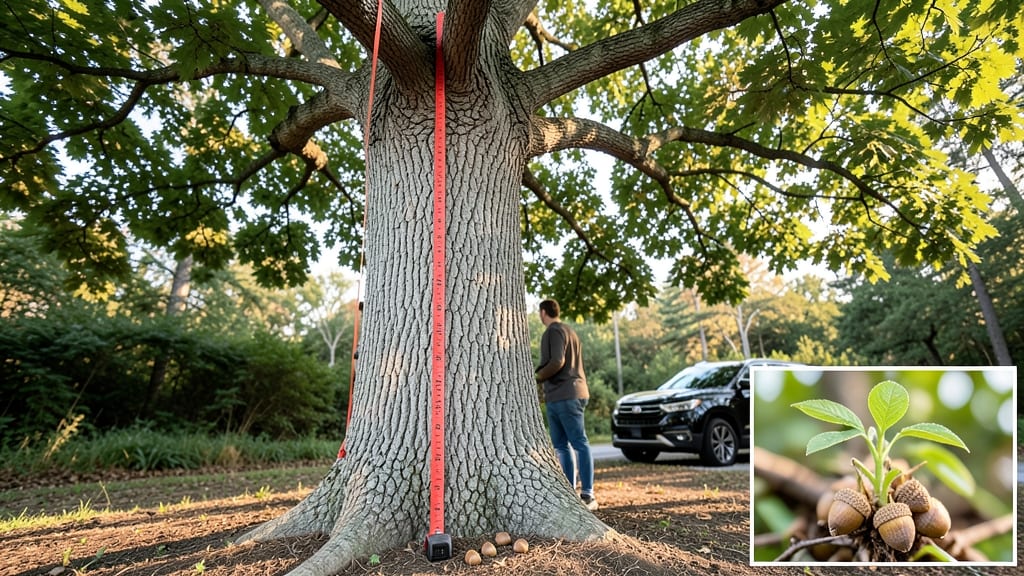
An oak tree can grow up to 100 feet tall, with some species like the white oak reaching legendary heights that turn neighborhoods into forests 🌳.
If you’ve ever gazed up at a towering oak tree and wondered just how massive these giants can become, you’re not alone—some oak species reach heights that defy imagination, shaping landscapes for centuries.
What makes oak trees so remarkable isn’t just their height, but their longevity. A mature oak can live for hundreds of years, growing steadily and becoming a cornerstone of any yard or park.
In this guide, I’ll break down the fastest-growing oak species, how to estimate an oak’s height without climbing it, and the key factors that help them reach their full potential—whether you’re planting one or admiring one already standing tall.


Oak tree height records: tallest species and their maximum growth potential
When it comes to oak tree height, few trees rival the majesty of these ancient giants. Some species can reach staggering heights, with certain record-holding oaks towering over 100 feet. Understanding these maximum growth potentials helps gardeners appreciate their long-term impact on landscapes and ecosystems.
The tallest oak species include the coast live oak and white oak, both capable of surpassing 90 feet in ideal conditions. These giants aren’t just tall—they’re also incredibly long-lived, often living for centuries while growing steadily over time.
Environmental factors like climate, soil quality, and water availability play a crucial role in determining how tall an oak tree can grow. For example, oaks in humid coastal regions tend to grow taller than those in drier inland areas.
Here’s a breakdown of the tallest oak species and their maximum recorded heights, along with key factors influencing their growth:
The coast live oak holds the record for the tallest oak species, with a verified height of 115 feet in California’s coastal regions. This species thrives in humid climates with well-draining soil, allowing it to grow taller than most other oaks.
White oaks are another standout, often reaching 100 feet in ideal conditions. They prefer full sun exposure and rich, well-drained soil, which supports their impressive height and longevity. In contrast, red oaks typically max out around 90 feet but grow faster in their youth.
Soil composition is critical—clay-heavy or waterlogged soil can stunt growth, while loamy, nutrient-rich soil promotes taller, healthier trees. Additionally, pruning young oaks can encourage a stronger trunk and better canopy structure, indirectly supporting future height.
Climate also matters: oaks in temperate zones with moderate rainfall grow taller than those in arid regions. For example, bur oaks in the Midwest often reach 85 feet, while those in drier areas may stay shorter. Understanding these environmental influences helps gardeners create optimal conditions for their oaks.
If you’re planting an oak, consider its future height when choosing a location. A 100-foot oak needs ample space to avoid overcrowding nearby structures or power lines. Always research your local climate and soil type to ensure your oak reaches its full potential.
For those curious about record-breaking oaks, the Hyperion tree in California isn’t an oak but sets the bar for tree height—proving that some trees can grow even taller under perfect conditions. While oaks may not reach such extremes, their longevity and grandeur make them unforgettable landscape staples.
🌳
Fastest-growing oak species: how quickly they reach sky-high heights
When planting oak trees, growth speed varies dramatically between species—some reach 30 feet in just 20 years, while others take decades to mature.
Understanding these differences helps gardeners choose the right variety for their space and timeline. Bur oak and pin oak are among the fastest growers, making them ideal for home landscapes where you want shade quickly without waiting centuries.
Growth rates depend on multiple factors, including soil quality, water availability, and pruning practices. In optimal conditions, young oaks can gain 2-3 feet annually during their first decade.
However, improper care—like over-pruning or poor drainage—can stunt growth by up to 50%. Let’s compare the top performers and how to maximize their potential.
| Species | Avg. Annual Growth (First 10 Years) | Mature Height | Key Growth Factor |
|---|---|---|---|
| Bur Oak | 2.5–3.5 ft/year | 70–90 ft | Cold-hardy, thrives in moist soil |
| Pin Oak | 2–3 ft/year | 60–80 ft | Fast early growth, needs well-drained soil |
| Red Oak | 1.5–2.5 ft/year | 75–90 ft | Slows after 20 years but recovers with care |
| White Oak | 1–2 ft/year | 80–100 ft | Drought-tolerant but slower early growth |
To accelerate growth, focus on soil amendments like compost or aged manure, which improve nutrient uptake. Bur oaks and pin oaks respond well to deep watering during droughts—aim for 10-15 gallons weekly in their first year. Avoid overwatering, though, as soggy roots invite fungal diseases that slow growth.
Pruning plays a critical role too. Remove dead or crossing branches in late winter to redirect energy to upward growth. For young oaks, limit pruning to 10-15% of the canopy per year. Over-pruning can trigger suckering, where the tree produces weak, horizontal branches instead of a strong trunk.
For gardeners in USDA Zones 5-8, bur oak is the fastest choice, while pin oak suits urban areas with its tolerance for compacted soil. Both species benefit from mulching with wood chips (2–4 inches deep) to retain moisture and regulate soil temperature. Avoid synthetic mulches, which can suffocate roots.
Remember, even the fastest oaks take decades to reach their full height. Patience is key—your 10-year-old bur oak might only be 25 feet tall, but with proper care, it’ll eventually cast shade over an entire backyard.
The real reward? A century-old oak that outlives generations of gardeners—all thanks to smart planting choices today. 🌳