
How To
Cypress tree height by species: from dwarf to towering giants
Cypress trees are iconic for their striking shapes and towering heights, but their mature size varies dramatically depending on the species. Some varieties grow into 75-foot giants, while others stay compact enough for small yards. Understanding these differences helps you choose the perfect cypress for your space and climate.
Let’s explore the height ranges of popular cypress species, from dwarf varieties to towering giants, along with their growth habits and ideal growing conditions.
Before diving into specifics, remember that growth rates depend on soil quality, sunlight, water, and pruning. A Leyland Cypress in optimal conditions can grow 3-4 feet per year, while a Bald Cypress in a swampy environment might grow slower.
Always check your USDA hardiness zone—most cypress trees thrive in zones 6-10, with some exceptions like the Monterey Cypress, which prefers coastal climates.
🌲 Quick Tip: If you’re short on space, focus on dwarf cypress varieties or prune fast-growing species like the Leyland Cypress regularly to control height. Now, let’s compare the most popular cypress species by their mature heights and growth characteristics.
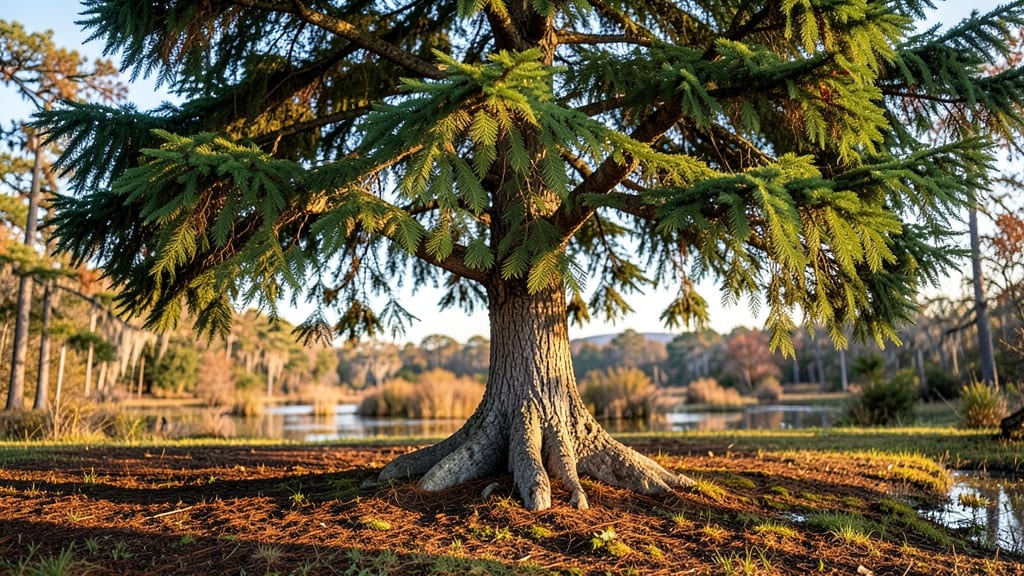
The Bald Cypress is one of the tallest cypress species, often reaching 75 feet in its native swampy habitats. Its knobby knees and feathery foliage make it a stunning choice for large properties or near ponds.
If you’re in USDA Zone 4, this tree is surprisingly cold-hardy and can thrive in wet soils where other trees would struggle.
For those seeking fast growth, the
Fastest-growing cypress varieties: how quickly they reach mature height
If you're looking for quick privacy or dramatic vertical accents, some cypress varieties grow at astonishing speeds. The Leyland Cypress leads the pack, shooting up 3-5 feet annually under ideal conditions.
This hybrid powerhouse can reach 60-75 feet in just 10-15 years, making it perfect for fast-growing privacy screens. For urban gardens, this rapid growth is a game-changer for limited spaces.
Not all cypress trees grow this quickly, though. The Monterey Cypress grows 2-3 feet per year, reaching 40-50 feet at maturity. While slower than Leyland, it offers stunning blue-green foliage and thrives in coastal climates.
The Bald Cypress, native to swamps, grows 1-2 feet annually but can still reach 50-70 feet with proper care.
For a visual comparison of growth rates, here's how these top performers stack up:
To maximize growth, prioritize full sun exposure (6+ hours daily) and well-draining soil. Leyland Cypresses, for example, thrive in sandy loam with acidic pH (5.5-6.5). Mulch annually with pine bark to retain moisture and suppress weeds. Avoid overwatering—cypress roots rot easily in soggy conditions.
For urban gardens, consider container-growing fast varieties like the ‘Leylandii’ cultivar. With proper pruning (twice yearly), you can shape these trees into compact hedges while maintaining rapid vertical growth. Always prune in late spring to encourage new growth before winter dormancy.
Remember that climate plays a huge role. Coastal areas accelerate growth due to high humidity and mild winters, while inland regions may see slower growth in hot, dry summers. If you're in USDA Zones 6-10, you're golden—most cypress varieties will thrive with minimal fuss.
For the fastest results, combine fast-growing varieties with optimal care. With the right approach, you could have a privacy screen taller than your house in just a decade!
Just be prepared for the maintenance—these trees grow fast, but they also need regular pruning and fertilizing to stay healthy and picturesque.