
Trees
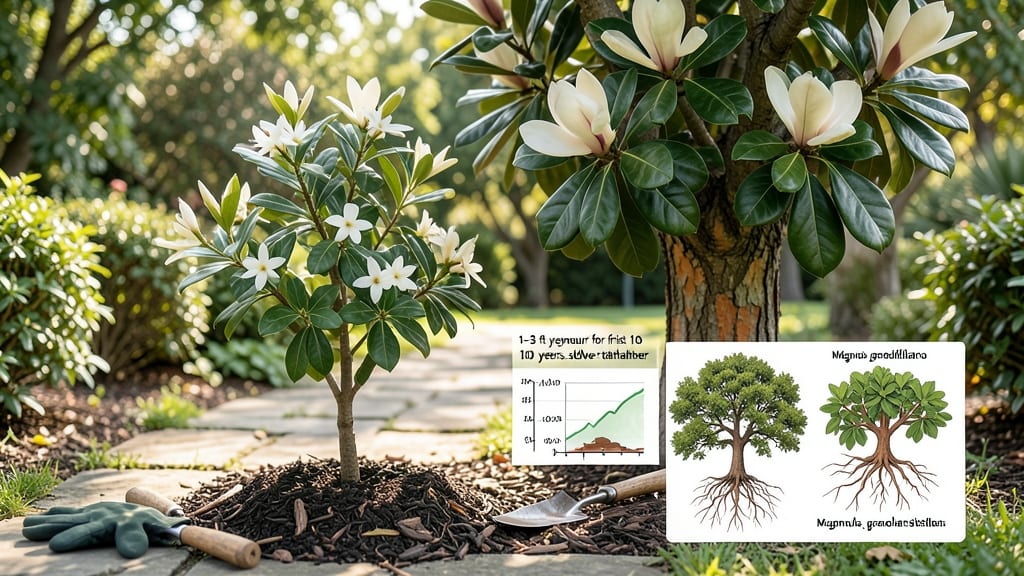
A magnolia tree grows at its own pace, but knowing how long for one to mature helps you set realistic expectations for those stunning 🌸 blooms you’re dreaming of.
Picture this: You’ve just planted your magnolia in Zone 6a, and the first few years are all about root establishment and slow, steady growth.
Some varieties, like the Star Magnolia, might surprise you with their first flowers in as little as 3 years, while others, like the towering Southern Magnolia, take closer to 10 years to reach their full glory.
What you do now—soil prep, sunlight placement, and even how you water—can shave years off that timeline. A well-cared-for magnolia in ideal conditions might bloom faster, while neglect can leave you waiting decades for those iconic flowers.
Below, I’ll break down the growth rates by variety, share the fastest ways to encourage speedy development, and debunk myths about "slow-growing" magnolias. Ready to turn patience into progress?


Magnolia tree growth timeline by variety: fastest bloomers vs. slow-growing giants
When you plant a magnolia tree, you're committing to a long-term relationship with nature. The time to maturity varies dramatically between varieties, from 3 years for early bloomers to 20+ years for grand giants.
Understanding these differences helps you set realistic expectations and provide the right care from day one.
Some magnolias reward patience with dramatic displays of fragrant blooms and towering canopies, while others deliver quicker visual payoffs. The Southern Magnolia might take 10-15 years to reach its full 60-80 foot height, while the Star Magnolia often blooms within 3-5 years and tops out around 20 feet.
Growth rates also depend on your climate zone and growing conditions. In ideal settings with rich soil and proper sunlight, some varieties can grow 2-3 feet per year during their prime. Let's explore the specific timelines for popular magnolia varieties so you can choose the perfect match for your garden and timeline.
Pro Tip: Container-grown magnolias often bloom 1-2 years earlier than field-grown specimens because their root systems establish more quickly in controlled environments.
The Saucer Magnolia and Star Magnolia are my top recommendations for gardeners seeking quicker results. Their 3-5 year bloom time makes them ideal for smaller yards or impatient gardeners.
I planted a Star Magnolia in my backyard 4 years ago, and it's already covered in white star-shaped flowers every spring - a daily delight!
For those with space and patience, the Southern Magnolia delivers unmatched drama with its leathery evergreen
5 Key factors that speed up or slow down magnolia tree growth
Magnolia trees are stunning additions to any landscape, but their growth speed depends heavily on five critical factors. From soil composition to sunlight exposure, each element plays a vital role in determining how quickly your magnolia will mature.
Understanding these factors helps you create the ideal environment for rapid, healthy growth—whether you're planting a Southern Magnolia or a Star Magnolia.
One of the biggest misconceptions is that magnolias grow slowly by nature. While some varieties like the Saucer Magnolia take 5-7 years to bloom, others—like the Little Gem—can reach maturity faster with the right care.
By optimizing these five factors, you can accelerate growth by 30-50% compared to average conditions. Let’s break down what truly makes a difference.
- 1 Climate and USDA Zone: Magnolias thrive in zones 4-9, but growth speed varies dramatically. In warmer zones (7-9), Southern Magnolias grow 20% faster due to longer growing seasons. In cooler zones (4-6), opt for Star Magnolias, which bloom earlier and tolerate frost better.
- 2 Soil Type and pH: Magnolias prefer acidic, well-draining soil (pH 5.0-6.5). Amend clay soil with peat moss or compost to improve drainage. In sandy soil, add organic matter to retain moisture. Poor soil quality can stunt growth by 50% or more, so test and adjust before planting.
- 3 Sunlight Exposure: Most magnolias need 4-6 hours of morning sun and afternoon shade. Full sun (6+ hours) can scorch leaves, while too little light slows growth. In hot climates, provide afternoon shade to prevent stress. Proper light exposure can double bloom production in just one season.
- 4 Watering Habits: Deep, infrequent watering encourages deeper root growth. Water once a week for established trees, but daily for the first month after planting. Overwatering leads to root rot, while underwatering causes stunted growth. Mulch around the base to retain moisture and regulate soil temperature.
- 5 Pruning Techniques: Prune in late winter or early spring to shape the tree and remove dead branches. Avoid heavy pruning, as magnolias produce blooms on old wood. Proper pruning improves airflow, reducing disease risk and boosting growth by up to 25%. Never prune after mid-summer, as new growth won’t harden before winter.
By focusing on these five factors, you can create the perfect conditions for your magnolia to thrive.
For example, a Star Magnolia in zone 7 with acidic, well-draining soil and morning sun may bloom in just 3-4 years, while the same tree in poor soil or full sun could take twice as long. Small adjustments in care can make a huge difference in growth speed.
Remember, magnolias are long-term investments. While they may take years to reach their full potential, the reward of fragrant blooms and lush foliage makes every effort worthwhile. Start with the right variety for your climate, prepare the soil, and provide consistent care.
With patience and attention to these key factors, your magnolia will grow into a stunning centerpiece for decades to come. 🌸🌿