
Pruning
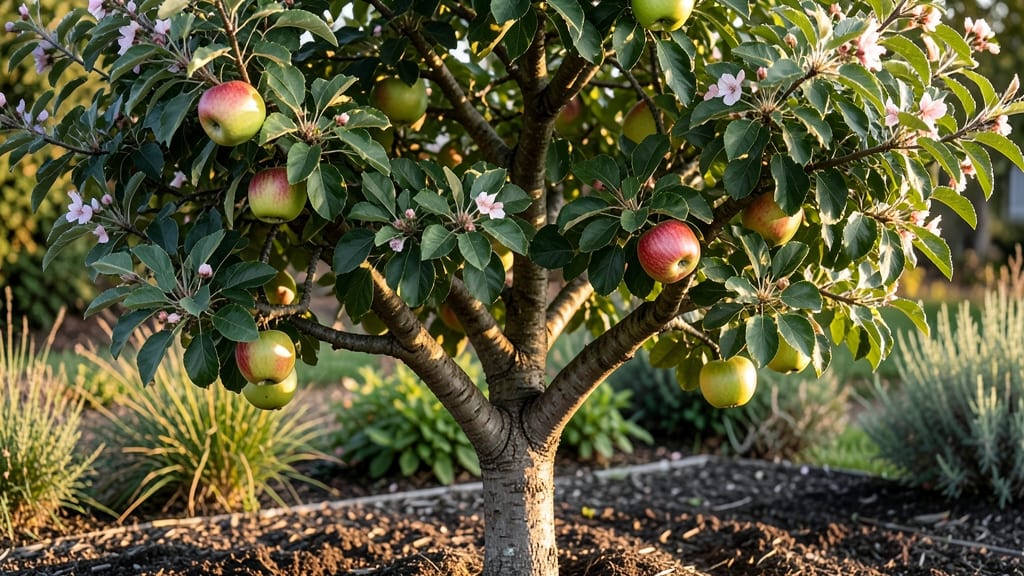
Caring for a Honeycrisp apple tree means turning your backyard into the kind of orchard neighbors envy—where every branch groans with fruit so sweet it practically melts in your mouth. 🌳 The secret isn’t just planting; it’s understanding how to prune year-round to maximize those legendary Honeycrisp yields, and I’ve learned the hard way that skipping this step means smaller harvests and weaker branches.
Start with the right tools: sharp pruners, a saw for thicker branches, and a clean workspace. You’ll need to prune in late winter (before buds swell), summer (to thin fruit), and again in early fall (to remove dead wood).
Most gardeners miss the summer pruning—don’t be one of them, because that’s when you shape the tree for next year’s bounty.
By following this schedule, you’ll end up with a tree that produces 20-30% more fruit than unpruned trees, and the apples will be larger, sweeter, and ripen more evenly.
The branches stay strong, the air circulates better (reducing disease), and you avoid the heartbreak of fruit dropping early because the tree can’t support it.
Works in zones 3-8, though southern growers should prune earlier to avoid summer heat stress. The same principles apply whether you’re dealing with a young sapling or a mature tree—just scale the tools and timing. Let’s get those branches in shape!
📚 In This Guide
- What you need
- Instructions
- Tips and common mistakes
- Wrapping up and next steps
What you need
- ● Pruning shears: Bypass pruners with sharp, clean blades (for small branches, 4-6 inches long). Pro tip: 💡 Sanitize blades with rubbing alcohol between cuts to prevent disease!
- ● Loppers: For thicker branches (up to 2 inches in diameter). Look for bypass-style loppers with a 12-18 inch handle.
- ● Pruning saw: For branches larger than 2 inches. A curved-tooth pruning saw minimizes tear-out.
- ● Gloves: Heavy-duty, cut-resistant gloves to protect your hands from thorns and sharp tools.
- ● Disinfectant: 70% isopropyl alcohol or a pruning sealant (like Tanglefoot Tree Wound Pruning Seal) to prevent bacterial/fungal infections.
- ○ Tree wound paint (optional but helpful): Helps seal larger cuts (e.g., Dynamat Tree Wound Dressing).
- ● Rope or twine: For temporary support if training young branches.
- ● Wheelbarrow or bucket: To collect pruned branches and debris.
- ● Extension pole: For hard-to-reach branches (10-15 feet long).
- ● Ladder: Sturdy, stable ladder for tall trees (ensure it’s rated for your tree’s height!).
- ● Tree pruning spray: A copper-based fungicide (like Bonide Copper Fungicide) to treat cuts if needed.
- ● Notebook & pen: To sketch your tree’s structure before/after pruning.
- ● Compost or mulch: To replenish the soil after pruning (2-3 inches of organic mulch).
- ● A mature Honeycrisp apple tree (3+ years old for best pruning results).
- ● Knowledge of basic tree anatomy (e.g., water sprouts, suckers, scaffold branches). Pro tip: 🌡️ If unsure, watch a few YouTube tutorials or consult a local arborist before starting!
- ● Access to a hose or water source for cleaning tools and rinsing cuts.
- ● A clear, sunny day (avoid pruning when the tree is wet or diseased).
Step-by-step guide for Honeycrisp apple tree pruning
Here's how I keep my Honeycrisp apple trees thriving—with simple seasonal pruning that boosts fruit production every year.
✂️ Step 1: Prune in Late Winter for Structure
Start your pruning 4-6 weeks before bud break (typically late February to early March in most climates). This timing prevents disease spread and lets you see the tree's structure clearly. I always remove any dead, diseased, or crossing branches first—they're the easiest to spot when the tree is bare.
Look for branches growing inward or rubbing against others. These compete for energy and often produce poor-quality fruit. Use clean, sharp pruning shears to make cuts at a 45-degree angle, just outside the branch collar. This ensures the wound heals properly and prevents water from pooling. Aim to open up the center of the tree so sunlight reaches all branches—Honeycrisp apples need plenty of light to develop their signature sweetness.
☀️ Step 2: Summer Pruning for Fruit Quality
About 6-8 weeks after flowering, do a light pruning to improve air circulation and fruit quality. Remove any water sprouts (fast-growing vertical shoots) and suckers (shoots growing from the base). These drain energy from fruit production. I also thin out clusters of fruit to 6-8 inches apart—this prevents overcrowding and lets each apple reach its full Honeycrisp potential.
Watch for branches with too many fruit spurs (the small stems where apples grow). If a branch has more than 3-4 spurs per foot, prune back by 1/3 to encourage larger, sweeter fruit. Always use sterilized tools between cuts to prevent bacterial infections that can ruin your harvest.
⏰ Step 3: Light Pruning in Early Fall
In early fall, do a final light pruning to remove any remaining dead wood and shape the tree for winter. Focus on branches that grew too vigorously during the season—these often produce small, tart apples. Cut back by 1/4 to 1/2 of their length to encourage stronger growth next year.
This is also the time to check for any branches that might break under snow or ice. Thin out any weak or overly long limbs to reduce winter damage. Avoid heavy pruning now—you want the tree to harden off properly before winter. A light touch now ensures a strong start in spring.
🌱 Step 4: Post-Harvest Cleanup
After harvesting your Honeycrisp apples, do a final cleanup to prepare for dormancy. Remove all fallen leaves and fruit to reduce pest and disease pressure. I also spray the tree with a copper fungicide (if needed) to prevent overwintering pathogens. This keeps your tree healthy for next season's fruit.
Inspect the tree for any signs of pests like aphids or mites. A strong blast of water can dislodge many pests, and a light application of horticultural oil (if temperatures are above 40°F) helps control overwintering insects. This final step ensures your Honeycrisp tree stays productive for years to come.
Tips & tricks for perfect Honeycrisp apple tree pruning
A few simple adjustments can make all the difference between a healthy, productive Honeycrisp apple tree and one struggling to deliver that signature sweetness.
Timing is Everything: The 4-6 week window before bud break in late winter is your best chance to see the tree's full structure. If you miss this timing, wait until after harvest—just don't prune during active growth periods when diseases spread most easily. I've learned this the hard way after seeing my trees develop fungal issues from late spring pruning.
The 45-Degree Angle Secret: When making cuts in Step 1, that 45-degree angle isn't just about looks—it's about proper wound healing. Cut just outside the branch collar (the swollen area where the branch meets the trunk) to prevent water from pooling, which creates entry points for diseases. This simple technique can extend your tree's lifespan by decades.
Summer Fruit Spacing Matters: The 6-8 inch spacing between fruit clusters in Step 2 might seem arbitrary, but it's what transforms small, tart apples into the large, sweet Honeycrisp varieties we all love. Overcrowded fruit competes for nutrients, resulting in smaller, less flavorful apples. I measure clusters with a tape measure during this step to ensure consistency.
Fungicide Timing Tip: When applying copper fungicide in Step 4, wait until after harvest but before temperatures drop below 40°F. This timing prevents the fungicide from harming beneficial insects while still protecting against overwintering pathogens. I always apply in the late afternoon to avoid stressing the tree on hot days.
Pro Tips for Honeycrisp Apple Tree Care
- A few simple adjustments can make all the difference between a healthy, productive Honeycrisp apple tree and one struggling to deliver that signature sweetness.
- Timing is Everything: The 4-6 week window before bud break in late winter is your best chance to see the tree's full structure.
- The 45-Degree Angle Secret: When making cuts in Step 1, that 45-degree angle isn't just about looks—it's about proper wound healing.
Frequently asked questions
Got questions about keeping your Honeycrisp apple tree thriving?
Here are answers to the most common ones—so you can prune with confidence and enjoy a bountiful harvest!
How often should I prune a Honeycrisp apple tree?
Prune your Honeycrisp apple tree twice a year for best results: late winter/early spring (before buds swell) to shape the tree and remove dead wood, and summer (after harvest) to thin out excess growth and improve air circulation. Young trees (1-3 years) may need lighter pruning to establish structure.
What’s the best way to prune Honeycrisp apples to maximize fruit?
Focus on open-center or central leader pruning to encourage light penetration and airflow. Remove suckers (shoots at the base), water sprouts (vertical shoots), and crossing branches. Aim to keep the tree’s center open and airy—this reduces disease risk and boosts fruit quality. Thin out clusters to 4-6 apples per spur to avoid overcrowding.
Can I prune a Honeycrisp apple tree in winter?
Yes, but time it right! Prune in late winter (January–February) when the tree is dormant but before buds break. Avoid pruning during freezing temps or heavy snow—wait for a dry, mild day. Never prune in fall (risk of disease) or during active growth (spring/summer).
Why are my Honeycrisp apples small or misshapen?
Small or oddly shaped apples often stem from overcrowding, poor pollination, or nutrient deficiencies. Fix it by:
- Thinning fruit clusters to 4–6 apples per branch (use sharp scissors to avoid damaging stems).
- Ensuring cross-pollination (Honeycrisp needs another variety like ‘Fuji’ or ‘Gala’ within 50 feet).
- Fertilizing in early spring with a balanced 10-10-10 or organic compost.
- Checking for pests (codling moths, aphids) or diseases (apple scab)—treat with neem oil or fungicide if needed.
What can I do with leftover pruned branches?
Don’t toss those branches! Here’s how to repurpose them:
- Mulch: Chop into small pieces and spread around the tree’s base (keep 3–4 inches away from the trunk).
- Firewood: Dry branches thoroughly for kindling or small logs (apple wood burns hot!).
- Compost: Add to your compost pile (avoid diseased wood).
- DIY stakes or trellises: Use straight branches for garden supports.
Wrapping up and next steps
Caring for your Honeycrisp apple tree is a rewarding journey that yields sweet, juicy fruit when done right! 🍏 With the right pruning techniques—whether in dormant winter or summer growth—you’ll encourage strong branches, better airflow, and a bountiful harvest.
Start small, stay consistent, and soon you’ll be enjoying the fruits of your labor (literally!).
Ready to take the next step? Grab your pruners and schedule your first pruning session—your tree (and future apple pies!) will thank you. 🌱