
Pruning
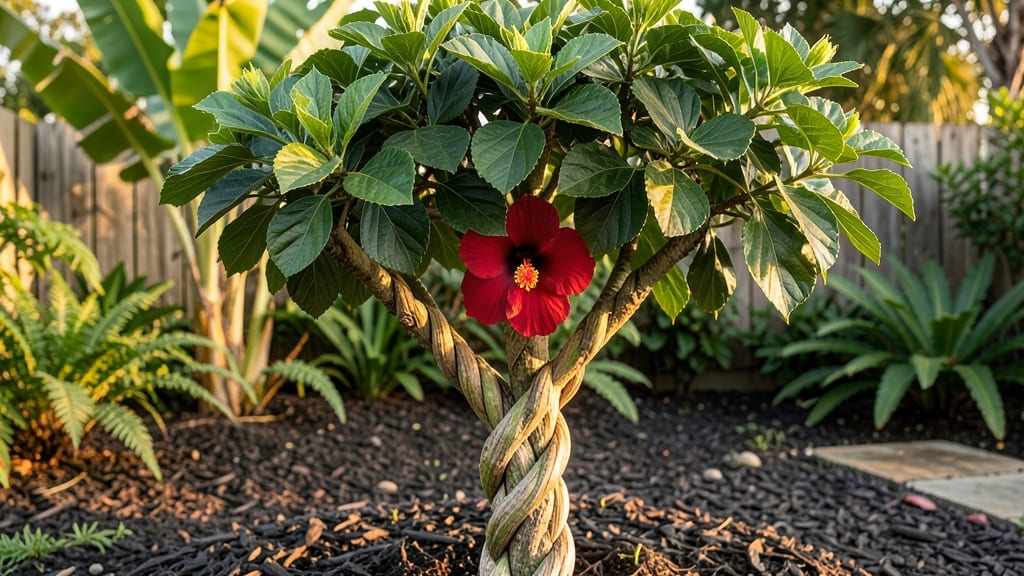
A hibiscus braided tree with controlled height can reach 10–15 feet tall if left unchecked, but with the right pruning, you can keep it at a manageable 3–6 feet—perfect for small gardens or containers.
Picture this: your 🌺 hibiscus braided tree sprawling into your neighbor’s yard or blocking your patio view. That’s the last thing you want after months of care. The good news? Pruning isn’t just about trimming—it’s about shaping growth, boosting blooms, and keeping your tree at the height you love.
Whether you’re dealing with a young sapling or an overgrown mature tree, the key lies in timing, technique, and a little patience. In this guide, I’ll walk you through when to prune, which branches to cut, and how to encourage a bushier, more compact shape without sacrificing those stunning flowers.
By the end, you’ll know exactly how to control your hibiscus braided tree height—so you can enjoy its beauty without the headache of a towering giant. Let’s get started!

How to prune a braided hibiscus tree to maintain 3–6 feet height
A braided hibiscus tree is a stunning ornamental plant, but its natural growth can quickly exceed 6 feet if left unchecked. To maintain a compact height of 3–6 feet, strategic pruning is key. This not only controls its size but also encourages denser foliage and more vibrant blooms.
The best time to prune is late winter or early spring, just before new growth begins, or after flowering in fall. Avoid pruning during active bloom periods to preserve flowers.
Before you start, gather your tools: bypass pruners for smaller branches, loppers for thicker stems, and pruning shears for fine-tuning. Wear gloves to protect your hands from thorns, and sterilize your tools with rubbing alcohol to prevent disease spread.
Your goal is to shape the tree while promoting balanced growth and airflow, which reduces pest and disease risks.
Pruning a braided hibiscus involves more than just cutting branches—it’s about understanding its growth habit. These trees naturally grow in a multi-trunk structure, often braided for aesthetic appeal. To maintain height, focus on removing upward-growing branches and thinning out crowded stems.
This encourages the tree to grow wider rather than taller, creating a fuller, bushier appearance while keeping it within your desired height range.
Here’s your step-by-step guide to pruning for the perfect 3–6 foot hibiscus tree, ensuring it stays healthy, blooms abundantly, and fits beautifully in your garden space.
Step-by-Step Pruning Guide
-
Step 1: Plan Your Pruning
Assess the tree’s structure and identify branches that are growing too tall or competing for space. Use a sketch or photo to visualize your cuts before pruning. -
Step 2: Remove Dead or Damaged Wood
Start by cutting out dead, diseased, or broken branches to improve airflow and reduce pest risks. Make cuts just above a leaf node or outward-facing bud. -
Step 3: Thin Out Crowded Branches
Focus on removing 1/3 of the oldest branches to encourage new growth. Target branches that cross or rub against each other, as these can weaken the tree over time. -
Step 4: Control Height by Cutting Vertical Growth
To keep the tree under 6 feet, cut back upward-growing branches by 1/3 to 1/2 their length. Aim for a balanced shape with a rounded canopy rather than a tall, narrow silhouette. -
Step 5: Shape the Braided Trunks
If your hibiscus has braided trunks, avoid cutting into the main stems unless absolutely necessary. Instead, prune lateral branches to maintain the braided design while controlling height. -
Step 6: Seal Larger Cuts (Optional)
For cuts larger than 1/2 inch in diameter, apply pruning sealant to prevent disease entry. Smaller cuts can heal naturally without sealing. -
Step 7: Clean Up and Monitor
Remove all pruned debris from the area to prevent fungal growth. After pruning, water deeply and fertilize lightly to support new growth.
When pruning in late winter or early spring, you’re encouraging the tree to produce vigorous new growth for the upcoming season. This timing also allows the hibiscus to recover before summer heat stresses it.
If you prune in fall, do so after flowering to avoid removing next year’s blooms. In USDA Zones 9–10, where hibiscus is evergreen, you can prune year-round, but spring is still ideal for best results.
For a 3–6 foot hibiscus tree, avoid heavy pruning in one season, as this can stunt growth or reduce flowering. Instead, prune gradually over 2–3 years to achieve your desired height.
For example, if your tree is currently 8 feet tall, aim to reduce it by 1–2 feet per year until you reach your target height. This approach is less stressful for the plant and yields better results.
After pruning, your hibiscus will need extra care to recover and thrive. Ensure it receives full sun (6+ hours daily) and consistent watering, especially during the first few weeks after pruning.
A layer of mulch around the base will help retain moisture and regulate soil temperature. Avoid over-fertilizing immediately after pruning, as this can encourage weak, leggy growth.
One common mistake is pruning too late in the season, which can prevent the tree from hardening off before winter. Another is cutting back too aggressively, which may reduce next year’s blooms.
To avoid these pitfalls, stick to the 1/3 rule: never remove more than 1/3 of the tree’s foliage in a single pruning session. This ensures the hibiscus remains healthy and productive.
With the right pruning techniques, your braided hibiscus tree will stay compact, lush, and full of blooms while fitting perfectly in your garden. Whether you’re shaping it for a small patio or
Best pruning tools and techniques for controlling hibiscus tree growth
To keep your hibiscus braided tree between 3–6 feet, the right pruning tools and techniques are essential. Using the wrong tools can damage branches, while improper cuts lead to weak growth or disease. Start with sharp, clean tools to make precise cuts that heal faster and encourage healthier regrowth.
Your toolkit should include bypass pruners for small branches (up to ½-inch thick), loppers for thicker stems (up to 1½ inches), and hand pruners for delicate trimming.
Don’t forget thick gardening gloves—hibiscus thorns are sharp! A pruning saw may be needed for stubborn, woody growth that won’t yield to loppers.
| Tool | Best For | Cutting Angle | Seal Cuts? |
|---|---|---|---|
| Bypass Pruners | Small branches (½-inch) | 45° angle, just outside bud | No (small cuts heal fast) |
| Loppers | Thicker stems (½–1½ inches) | 45° angle, 1/4 inch above bud | Yes (for cuts > ½-inch) |
| Pruning Saw | Large, woody branches | 45° angle, smooth cuts | Yes (always seal) |
When pruning, always make cuts at a 45-degree angle, about ¼-inch above an outward-facing bud. This encourages new growth to sprout outward, creating a bushier shape rather than letting the tree grow taller.
For larger cuts, seal them with pruning sealant to prevent disease and pests from entering the wound.
To control height, focus on removing vertical growth from the center of the tree. Cut back up to ⅓ of the tallest branches in late winter or early spring, just as new buds begin to swell. Avoid heavy pruning in fall—it stimulates late-season growth that won’t harden off before winter.
For a braided hibiscus, prioritize shaping the trunk’s braided structure while keeping the canopy compact. Trim suckers at the base and thin out crowded branches to improve airflow. Regular pruning every 3–4 months during the growing season keeps the tree manageable and blooming abundantly.
Remember, hibiscus responds well to light pruning—never remove more than 25% of the foliage in one session. Over-pruning stresses the tree and reduces flowering. With the right tools and techniques, you’ll maintain that perfect 3–6 foot height while showcasing stunning blooms all season long. ✂️🌺