
Propagation
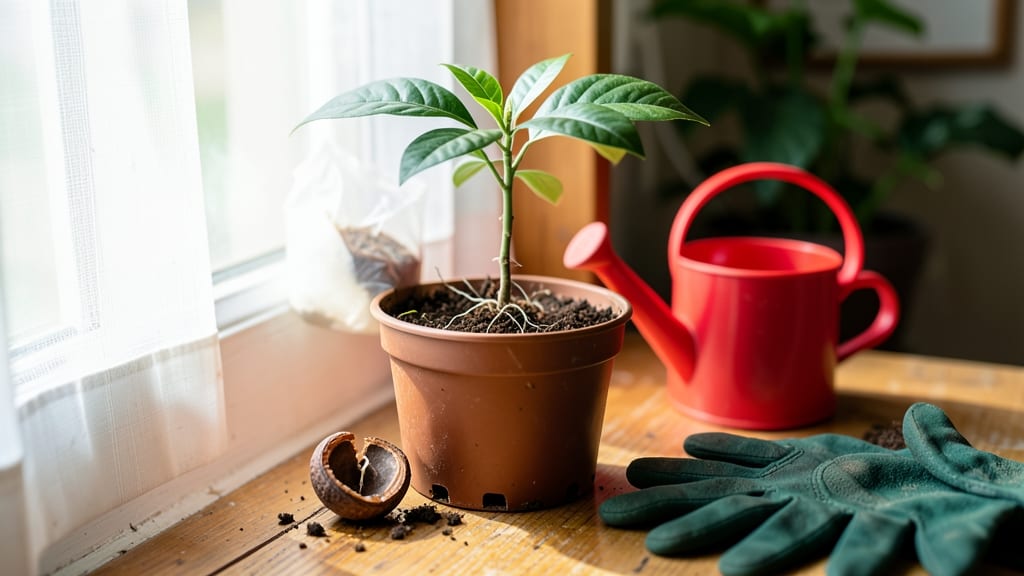
Growing a mango tree from a pit is like nurturing a tiny piece of paradise. 🌱 The journey starts with a simple pit from your grocery store mango, but don’t expect instant results—this tropical tree takes patience, warmth, and the right conditions to thrive.
I’ve grown three from pits, and while only one survived past two years, the process itself is rewarding, even if fruiting takes a decade or more.
The secret lies in mimicking the tropical climate where mangoes naturally grow. You’ll need a warm spot (70°F+), well-draining soil, and a container large enough for roots to spread before transplanting outdoors.
Most people rush germination, but soaking the pit for 3-5 days and drying it afterward is critical—skipping this step means waiting months, if it ever sprouts at all.
By month 3, you’ll see real progress: sturdy leaves and a thick stem ready for pruning. The tree will need full sun, regular watering (but never soggy soil), and protection from frost.
Even in warm climates like Zone 9-11, it’s a marathon, not a sprint—fruit takes 5-10 years, but the journey is half the joy.
Common challenges include slow growth, pests like aphids, and root rot if drainage is poor. I’ve learned to monitor moisture closely and use neem oil when pests appear. With consistency, you’ll end up with a lush, sun-loving tree that becomes the centerpiece of your backyard—even if it never bears fruit.
📚 In This Guide
- What you need
- Instructions
- Tips and common mistakes
- Wrapping up and next steps
What you need
- ● Fresh mango pit: Choose a ripe, organic mango (avoid store-bought ones treated with growth inhibitors). Quantity: 1
- ● Paper towels or coffee filters: For drying the pit. Quantity: 2-3 sheets
- ● Plastic bag (ziplock or breathable): To create humidity for germination. Size: Small (4x6 inches or larger)
- ● Small pot or container: With drainage holes (3-4 inches in diameter). Material: Plastic, terracotta, or coconut coir
- ● Well-draining potting mix: A blend of peat moss, perlite, and coconut coir (or a cactus/succulent mix). Quantity: 1 small bag
- ○ Spray bottle: For gentle watering. Optional but helpful!
- ● Sunlight access: A warm, bright spot (e.g., a sunny windowsill or grow light).
- ● Patience and care: Germination can take weeks to months—stay consistent!
- ● Rooting hormone: Speeds up germination (gel or powder form).
- ● Heating mat: Keeps the soil warm (70–85°F is ideal for tropical plants).
- ● Humidity dome or plastic wrap: Retains moisture during early growth.
- ● Larger container (6+ inches): For transplanting once the seedling grows.
- ● Fertilizer (balanced or citrus-specific): Use sparingly once leaves appear.
Step-by-Step instructions for growing a mango tree from a pit
Here’s how to turn that grocery store pit into a thriving tropical tree—with patience and the right care.
🌱 Step 1: Prepare the Pit for Germination
Start by cleaning the pit thoroughly—scrub off any remaining fruit flesh and let it dry completely for 24 hours. This prevents mold, which can kill your seedling before it even starts. Next, soak the pit in warm water for 3-5 days, changing the water daily. You’ll know it’s ready when a tiny crack appears at one end—this is the root breaking through.
Here’s the thing—don’t rush this step. A pit that’s not fully soaked may never sprout, and moldy water will rot the seed before germination. I like to place the pit in a jar of water on a sunny windowsill; the warmth speeds up the process. Once you see that crack, it’s time to move to the next phase.
🪴 Step 2: Plant the Germinated Pit in Soil
Fill a small pot—at least 6 inches deep—with well-draining potting mix. Mango pits need air around their roots, so avoid heavy garden soil. Plant the pit 1 inch deep, crack-side down, in the center of the pot. Press the soil gently around it so it stays upright but doesn’t get compacted.
Water lightly until the soil feels evenly moist but not soggy. Too much water now will drown the emerging root. Place the pot in a warm spot with indirect sunlight—a south-facing window works well. You’ll see the first sprouts in 2-4 weeks, but don’t be surprised if it takes longer. Patience is key here; rushing leads to weak, leggy seedlings.
☀️ Step 3: Provide Light and Care for the Seedling
Once the seedling reaches 4-6 inches tall, it’s ready for brighter light. Move it to a spot with 6+ hours of sunlight daily, or supplement with a grow light if indoors. Mango trees love warmth—keep the soil temperature above 65°F and the air around 70-80°F. If your home runs cooler, a heat mat under the pot helps.
Water when the top inch of soil feels dry, but avoid letting the pot sit in standing water. Yellowing leaves mean you’re overwatering; brown edges mean it’s too dry. This is where most pit-grown mango trees fail—soil moisture balance makes all the difference. Fertilize lightly with a balanced 10-10-10 mix every 2 months once the seedling has 4-5 leaves.
✂️ Step 4: Transplant and Prune for Strong Growth
After 6-12 months, when the seedling is 1-2 feet tall, transplant it to a larger pot or the ground (if you’re in a USDA Zone 10-11). Mango trees hate root disturbance, so dig a hole twice as wide as the pot and place the seedling at the same depth it was growing before. Backfill with native soil mixed with compost.
Prune any leggy or weak branches to encourage a bushier shape. Pinch off the tips of new growth to promote branching—this is how you build a sturdy tree, not a single stem. Real talk: Most pit-grown mangoes never produce fruit because they weren’t pruned properly. Take the time to shape it early, and you’ll reward yourself with blossoms (and eventually fruit) in 5-10 years.
🌿 Step 5: Protect and Winterize (If Needed)
If you’re growing outdoors in a cooler climate, mango trees need protection from frost. Bring potted trees indoors before temperatures drop below 40°F, or wrap the pot in bubble wrap for extra insulation. In-ground trees in colder zones will die back—cut them down to the ground in late fall and protect the roots with mulch. They often regrow from the base in spring.
This is the moment that matters: Even if your tree doesn’t fruit in the first few years, keep it alive. Mango trees from pits take 3-5 years to flower, and some never do—but with the right care, yours just might. I’ve seen pit-grown trees produce fruit in 7 years, and the taste? Worth every step of the process.
Tips & tricks for growing a mango tree from a pit
Turning that grocery store pit into a thriving tropical tree takes more than just patience—it takes the right approach. Here are the game-changing tips that'll help your mango tree thrive from the very start.
Germination Success: The 24-hour drying period in Step 1 is non-negotiable—this prevents mold that could kill your seedling before it even sprouts. I've learned this the hard way after watching three pits rot in damp conditions. For faster results, place your jar of soaking pits on a sunny windowsill where temperatures stay between 70-80°F. The warmth speeds up the germination process without risking mold growth. Watch for that telltale crack—this is your signal that the root is ready to emerge and the pit is ready for planting.
Soil Selection Matters: When planting your germinated pit in Step 2, choose a well-draining potting mix specifically formulated for tropical plants. Regular garden soil compacts too easily and can suffocate developing roots. I recommend mixing in perlite or sand to improve drainage—this prevents the root rot that claims so many young seedlings. The 6-inch depth requirement isn't just arbitrary; it gives the root system room to establish before the seedling needs transplanting.
Light Transition Strategy: Moving your seedling to brighter light in Step 3 should be gradual. Start by placing it near a south-facing window where it gets morning sun, then slowly increase exposure over 1-2 weeks. Sudden full sun can scorch tender leaves. I've seen seedlings go from vibrant green to crispy brown overnight when moved too quickly. Once you reach the 6+ hours of daily sunlight, supplement with a grow light if your natural light isn't sufficient—mango trees are tropical and need consistent light to thrive.
Pruning for Fruit Production: The pruning instructions in Step 4 might seem counterintuitive—why cut off new growth when you want a bigger tree? The key is creating a sturdy structure early. Pinch off the tips of new growth when your seedling has 4-5 leaves to encourage branching. This creates a bushier shape that supports more fruit later. Most pit-grown mangoes fail to produce fruit because they grow as single stems with no branches to bear fruit. Take the time to shape it properly now, and you'll be rewarded with blossoms in 5-10 years.
Pro Tips for Growing A Mango Tree From A Pit
- Turning that grocery store pit into a thriving tropical tree takes more than just patience—it takes the right approach.
- Germination Success: The 24-hour drying period in Step 1 is non-negotiable—this prevents mold that could kill your seedling before it even sprouts.
- Soil Selection Matters: When planting your germinated pit in Step 2, choose a well-draining potting mix specifically formulated for tropical plants.
Frequently asked questions
Got questions?
Growing a mango tree from a pit is rewarding but comes with its own set of curiosities. Here are answers to the most common queries to help you navigate the process with confidence!
How long does it take for a mango pit to sprout?
Patience is key! A mango pit typically takes 4-6 weeks to sprout under ideal conditions (warmth, moisture, and indirect light). Some may take longer—up to 3 months—especially if the pit is dormant or stored improperly. Keep it consistently moist and in a warm spot to speed things up!
Can I plant a mango pit directly in the ground?
While possible, it’s riskier than starting indoors. Direct outdoor planting works best in tropical climates with year-round warmth. If you live in a cooler zone, begin indoors to protect the young seedling from frost. Once established (after 6+ months), transplant it outside during spring.
Why isn’t my mango pit sprouting?
Several factors could stall germination:
- Cold temperatures (below 60°F/15°C) slow or halt growth.
- Dry conditions—keep the pit consistently moist (not soggy).
- Old or stored pits may lose viability. Use fresh, plump pits for best results.
- Lack of oxygen—ensure the pit isn’t buried too deep in soil.
Will my homegrown mango tree bear fruit?
Probably not—at least, not the same variety as the parent tree! Mango trees grown from pits are seedlings and may take 5-10 years to fruit. Even then, the fruit won’t match the original mango’s taste or quality. For consistent harvests, graft a known variety onto your seedling later!
Can I grow a mango tree indoors?
Yes, but with limitations. Mango trees thrive outdoors in warm climates, but you can grow a dwarf variety indoors near a sunny window or under grow lights. Expect slower growth and smaller size. If indoors, prune regularly to control height and use a large pot with drainage to prevent root rot.
What’s the best climate for growing a mango tree?
Mangoes love heat! Ideal conditions include:
- Year-round temperatures above 60°F (15°C).
- Full sun exposure (6+ hours daily).
- Well-draining soil (sandy loam works best).
- High humidity (common in tropical/subtropical zones).
Wrapping up and next steps
Growing a mango tree from a pit is a rewarding journey that connects you to nature’s sweetest gifts! 🌱 With patience, the right techniques, and a little care, you can nurture a thriving tree that may one day bear fruit.
Start small—plant that pit today—and watch your tropical dream take root.
Next step: Once your seedling sprouts, transplant it into a pot with well-draining soil and keep it in bright, indirect light. Stay consistent with watering, and soon, you’ll be tending to a lush, sun-drenched mango tree of your own!