
Trees
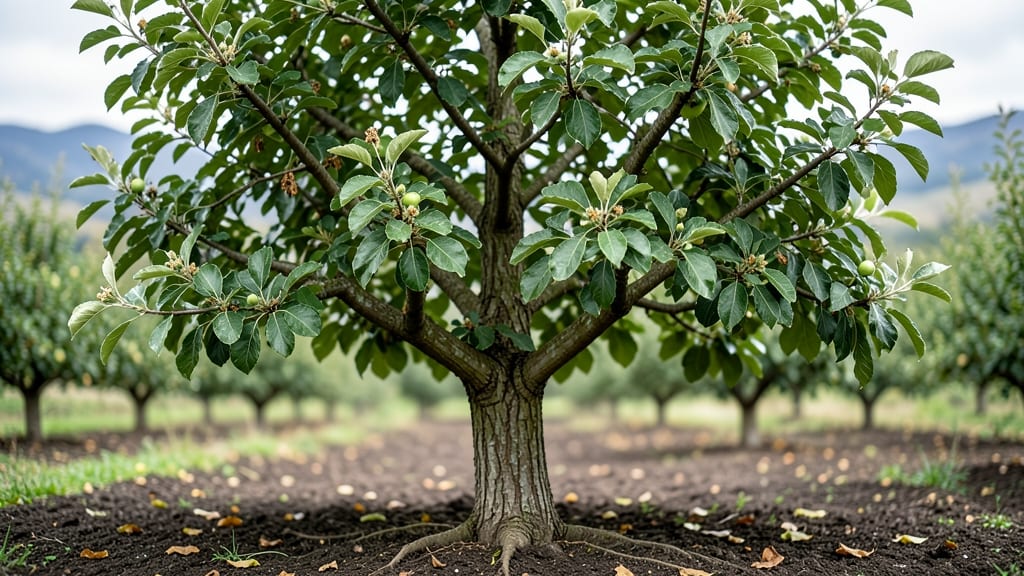
Granny Smith apple tree leaves curling, spotting, or yellowing? 🌿 That’s your tree’s SOS signal—and I’ve seen it all, from fungal scab to spider mites. The good news?
Most issues are fixable with the right approach, and prevention keeps your tree thriving for years. Let’s diagnose and tackle those leaf problems before they reach the fruit.
Start by inspecting the undersides of leaves for tiny webs (mites) or black spots (scab), then match the symptoms to solutions: organic sprays, pruning, or soil amendments. My tree went from sad to lush in just two seasons after I swapped chemical sprays for neem oil and copper fungicide.
The key is acting fast—once scab hits the fruit, it’s too late for that harvest.
📚 In This Guide
- What you need
- Instructions
- Tips and common mistakes
- Wrapping up and next steps
What you need
- ● Pruning shears or loppers – Sharp, sterilized tools (for trimming affected leaves/branches).
- ● Garden gloves – Durable, chemical-resistant gloves (to protect your hands).
- ● Neem oil or horticultural oil – 1–2 tbsp per gallon of water (natural pest repellent).
- ● Insecticidal soap – Follow label instructions for dilution (targets soft-bodied pests like aphids).
- ● Copper fungicide – For fungal diseases (e.g., apple scab) (mix as directed).
- ● Spray bottle or garden sprayer – 1–2 gallon capacity (for even application).
- ○ Disposable spray covers – To protect beneficial insects (optional but helpful).
- ● Trash bags or compost bin – For removing heavily infested leaves.
- ● Watering can or hose – For rinsing leaves post-treatment.
- ● Beneficial nematodes – For soil-dwelling pest control (e.g., grubs).
- ● Reflective mulch – Aluminum foil or fabric (deters pests like codling moths).
- ● Pheromone traps – For monitoring pests like apple maggots.
- ● Soil test kit – To check pH/nutrient levels (Granny Smiths prefer 6.0–6.5 pH).
- ● Organic mulch (straw or wood chips) – 3–4 inches thick (supports soil health).
How to keep Granny Smith apple tree leaves healthy and pest-free
Here’s my go-to routine for protecting those glossy green leaves year-round.
🌿 Step 1: Inspect Leaves Weekly for Early Signs of Trouble
Start by examining the leaves every 7-10 days—especially the undersides where pests love to hide. Look for tiny holes (aphids), yellowing spots (fungus), or sticky residue (sap-sucking insects). I always check after rain since moisture invites disease. Use a 10x magnifying glass if you have one—it catches problems before they spread.
Focus on new growth first. Young leaves are more vulnerable, and damage shows up faster. If you spot 1-2 affected leaves, isolate them immediately to prevent contamination. I keep a small bucket nearby to toss suspicious leaves in—never compost them until you’re sure they’re pest-free.
💧 Step 2: Water at the Base (Never the Leaves) to Prevent Fungal Issues
Water your Granny Smith tree at the soil level using a soaker hose or drip irrigation. Wet leaves create the perfect environment for apple scab and powdery mildew. I water in the early morning so foliage dries quickly. Avoid overhead sprinklers—even light misting can trigger fungal spores.
Check soil moisture by sticking your finger 1-2 inches deep. If it feels dry, water thoroughly until moisture reaches 6 inches down. Overwatering stresses the tree just as much as underwatering, so let the top 2 inches of soil dry out between waterings. Mulch with 2-3 inches of wood chips to retain moisture and suppress weeds.
✂️ Step 3: Prune for Airflow and Remove Infested Branches
Prune in late winter or early spring before new growth starts. Remove any branches with holes, black spots, or curled leaves—these are classic signs of codling moth or fungal infection. Use sterilized pruning shears (wipe with rubbing alcohol between cuts) to avoid spreading disease.
Focus on thinning the canopy so sunlight reaches the center of the tree. Aim for 6-12 inches of space between branches. I always prune on a dry day—wet tools and branches make it easier to spread pathogens. After pruning, dispose of infected branches in the trash, not your compost bin.
🪴 Step 4: Apply Organic Sprays Preventatively (Not Just When Problems Appear)
Start with a neem oil spray mixed with 1 teaspoon of mild dish soap per gallon of water. Spray both sides of leaves and the trunk in the early evening when bees aren’t active. Repeat every 2-3 weeks during growing season. Neem oil disrupts pest life cycles without harming beneficial insects.
For fungal prevention, alternate with a baking soda spray (1 tablespoon baking soda + 1 quart water + a few drops of oil to help it stick). Test on a few leaves first—some Granny Smith varieties are sensitive to high pH. I always spray undersides thoroughly since that’s where most fungal spores hide.
☀️ Step 5: Monitor Seasonal Pests with a Simple Trap System
Hang pheromone traps for codling moths in late spring when they’re most active. Place traps 10-15 feet above ground and check weekly. If you catch more than 3 moths per trap, apply kaolin clay (food-grade clay) as a physical barrier. It coats leaves and makes it hard for pests to feed.
For aphids, introduce ladybugs or lacewings—they’re natural predators. I order them online in early summer and release them at dusk. Avoid chemical sprays if you use biological controls, as they’ll kill the beneficial insects too. Keep a journal of treatments and results to track what works best for your tree.
Tips & tricks for healthy Granny Smith apple tree leaves
Keeping those vibrant leaves thriving takes a few smart habits that go beyond the basics.
Pest Patrol Timing: I schedule my weekly inspections for 7-10 days after rain—this is when fungal spores and pests become most active. Bring a small flashlight to check undersides of leaves during early morning hours when dew is still present; this helps spot hidden infestations before they spread. The first 30 minutes after sunrise are ideal for catching early signs of trouble when pests are least active.
Watering Wisdom: The key to preventing fungal issues lies in watering technique. Instead of relying on a quick sprinkle, I use a soaker hose for 10-15 minutes at the base of the tree, ensuring moisture reaches 6 inches deep. This deep watering encourages strong root development while keeping foliage dry. For extra protection, I always water in the early morning so leaves have all day to dry completely.
Pruning Pro Tips: When pruning in late winter, I make it a point to sterilize my shears between each cut using rubbing alcohol. This simple step prevents spreading any latent diseases that might be hiding in the tree. After removing infected branches, I immediately dispose of them in sealed plastic bags—never in the compost bin—since fungal spores can survive decomposition.
Spray Strategy: For the neem oil spray, I mix it fresh every 2-3 weeks during growing season, always adding 1 teaspoon of mild dish soap per gallon to help it adhere to leaves. The soap acts as a natural emulsifier that makes the spray more effective. I apply it in the early evening when bees are less active, and always spray both sides of leaves thoroughly—especially the undersides where most fungal spores hide.
Pro Tips for Granny Smith Apple Tree Leaves
- Keeping those vibrant leaves thriving takes a few smart habits that go beyond the basics.
- Pest Patrol Timing: I schedule my weekly inspections for 7-10 days after rain—this is when fungal spores and pests become most active.
- Watering Wisdom: The key to preventing fungal issues lies in watering technique.
Frequently asked questions
Got questions about keeping your Granny Smith apple tree leaves healthy? Here are some answers to common concerns that can help you maintain a thriving tree.
Why are my Granny Smith apple tree leaves turning yellow?
Yellowing leaves are often a sign of overwatering or nutrient deficiency. Check the soil moisture—it should be damp but not soggy. Also, ensure your tree gets enough nitrogen, potassium, and magnesium. A soil test can pinpoint deficiencies. Pro tip: Yellow edges may indicate chlorosis (iron deficiency), common in alkaline soils.
What pests commonly attack Granny Smith apple tree leaves?
Granny Smith trees are prone to aphids, mites, and codling moths. Look for tiny webs, holes, or chewed leaves. Early intervention with neem oil or insecticidal soap can help. For severe infestations, consider pesticides labeled for apple trees. Regularly inspect leaves (especially undersides) to catch issues early.
When is the best time to prune Granny Smith apple tree leaves or branches?
Prune during late winter or early spring (before buds swell) to remove dead or diseased branches. Avoid heavy pruning in fall, as it can stimulate new growth vulnerable to frost. Pro tip: Sterilize pruning tools with rubbing alcohol to prevent spreading diseases between cuts.
How do I protect Granny Smith apple tree leaves from fungal diseases?
Fungal diseases like apple scab or powdery mildew thrive in wet conditions. Improve airflow by spacing trees properly, and avoid overhead watering. Apply copper fungicide or baking soda spray (1 tbsp baking soda + 1 quart water + a drop of dish soap) as a preventative measure.
Can I use Granny Smith apple tree leaves for compost or mulch?
Yes! Healthy leaves make great mulch to retain soil moisture and suppress weeds. For compost, chop them into smaller pieces to speed up decomposition. Warning: Only use leaves from pesticide-free trees to avoid contaminating your compost. Avoid diseased leaves—they can spread pathogens.
Wrapping up and next steps
Caring for your Granny Smith apple tree starts with vigilance—whether you're battling aphids, fungal spores, or environmental stress, early action makes all the difference! 🌿 By arming yourself with the right tools (like neem oil, copper fungicide, or organic sprays) and staying proactive with preventive checks, you’ll keep those glossy leaves vibrant and your tree thriving.
Remember, a healthy tree is your best defense against pests and diseases.
Ready to take the next step? Schedule a monthly leaf inspection and keep a garden journal to track changes. Need extra help? Consult a local arborist or join an online gardening community—you’ve got this! 🍏✨