
Trees
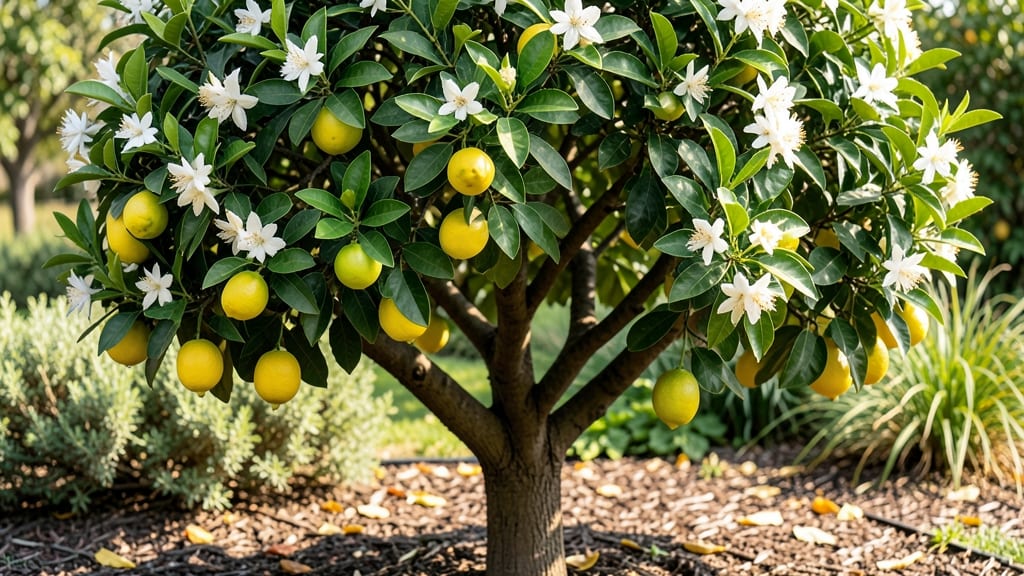
The Eureka lemon tree’s height grows between 8 and 12 feet at maturity—🍋 a towering citrus centerpiece that can overwhelm small spaces if left unchecked.
If you're dreaming of a sun-drenched kitchen adorned with fresh lemons but worried about your Eureka lemon tree outgrowing its space, you're not alone. This fast-growing citrus favorite can reach surprising heights—unless you master the art of strategic pruning.
Whether you’re growing it in a container or planting it outdoors, understanding its growth habits is key. In USDA Zone 6a, where spring planting begins in April, proper care can keep it manageable while maximizing fruit production.
Below, I’ll break down how to control its size—from pruning tips to container choices—so you can enjoy lemons without sacrificing space.

How tall does a mature Eureka lemon tree grow indoors & outdoors?
If you've ever wondered whether your Eureka lemon tree will become a towering giant or stay manageable, the answer depends entirely on where you grow it. Outdoors in ideal conditions, this citrus powerhouse can reach 10-12 feet tall—taller than most basketball hoops!
But indoors or with proper pruning, you can keep it much smaller while still enjoying a bounty of lemons. The key lies in understanding how environmental factors like sunlight, soil, and climate zones shape its growth.
For gardeners in USDA zones 9-11, where Eureka lemons thrive naturally, outdoor trees grow fastest and tallest. In cooler zones (like 8 or below), you'll need to grow it in containers and bring it indoors during winter.
Even then, with the right care, you can maintain a 6-8 foot height—perfect for a patio or large indoor space. The difference between a wild, unchecked tree and a well-managed one can be 5-6 feet in height alone.
🌱 Did You Know? Eureka lemon trees grow about 1-2 feet per year when planted in the ground, but container-grown trees grow more slowly—only 6-12 inches annually—because their root systems are restricted. This makes them far easier to manage in small spaces.
| Growth Environment | Mature Height Range | Ideal USDA Zones | Sunlight Needs |
|---|---|---|---|
| Outdoors (in-ground) | 10–12 feet | 9–11 | 6+ hours daily |
| Outdoors (container, large pot) | 6–8 feet | 8–11 (with winter protection) | 6+ hours daily |
| Indoors (south-facing window) | 4–6 feet | Any (with grow lights if needed) | 6+ hours daily |
| Indoors (grow lights) | 3–5 feet | Any | 12–14 hours daily |
Your Eureka lemon tree's height isn't just about genetics—it's a direct result of how much sunlight it receives. In full sun (6+ hours daily), these trees grow vigorously and reach their maximum height.
But if you're limited to partial sun (4-6 hours), expect growth to slow, keeping your tree 2-3 feet shorter than its sun-drenched counterparts. For indoor growers, a south-facing window is non-negotiable, or you'll need supplemental grow lights to prevent leggy, weak growth.
Another critical factor is soil quality. Eureka lemons thrive in well-draining, slightly acidic soil (pH 6.0-7.0). Poor soil—like heavy clay or compacted dirt—restricts root growth, stunting your tree's height and overall health.
Amend your soil with compost or citrus-specific fertilizer to give your tree the nutrients it craves. Without this, even a tree in full sun may stay 30-50% shorter than its potential.
Climate plays a huge role too. In USDA zones 9-11, where winters are mild, Eureka lemons grow year-round with minimal stress. But in cooler zones (like 7 or 8), they enter dormancy in winter, which slows growth.
To compensate, prune in late winter to encourage new spring growth. Without this step, your tree might stay 1-2 feet shorter than expected.
Container size matters more than you might think. A 5-gallon pot is the minimum for young trees, but mature Eureka lemons need 15-25 gallons to reach their full height. Smaller pots restrict roots, keeping trees compact but less productive.
If you're growing indoors, upgrade pots every 2-3 years to match your tree's growth. Skipping this step can leave your tree stunted and struggling.
Pruning isn't just for shaping—it's a height-control tool. By pruning back 1/3 of new growth in late winter, you encourage bushier, shorter growth. Without pruning, Eureka lemons grow tall and leggy, with fruit concentrated at the top.
Regular pruning can keep a tree 3-4 feet shorter than its unpruned counterpart while boosting fruit production at all levels.
One common mistake is assuming that dwarf varieties of Eureka lemons exist. While there are dwarf citrus hybrids (like 'Improved Meyer'), true Eureka lemons don't come in dwarf forms.
If you want a compact tree, you'll need to prune aggressively or choose a different variety. Even then, expect a 6-8 foot maximum in containers.
For urban gardeners, the best compromise is a medium-sized container (15 gallons) placed on a patio or balcony. With proper pruning and winter protection, you can enjoy a 6-8 foot tree that produces lemons year-round—without sacrificing your living space. The secret? Consistent care
Pruning secrets to control Eureka lemon tree height & shape
Your Eureka lemon tree can grow 8-12 feet tall outdoors if left unchecked, but with the right pruning techniques, you can shape it to fit your space perfectly. The key is understanding when and how to prune for either a compact shape or a bushier form.
I’ve pruned my own Eureka lemon tree for years, and I’ll share my best tips to keep it manageable while maximizing fruit production.
Timing is everything when pruning citrus trees. Spring pruning (just before new growth begins) encourages vigorous growth, while light winter pruning helps maintain shape without stressing the tree. Avoid heavy pruning in summer, as this can reduce fruit set.
I always schedule my pruning sessions for early spring to give the tree time to recover before summer’s heat sets in.
Before you grab your shears, gather these essential tools: bypass pruners for clean cuts, sterilized rubbing alcohol to prevent disease, sharp loppers for thicker branches, and gloves to protect your hands from thorns.
I also keep a small pruning saw handy for any stubborn branches that need removing. Sterilizing your tools between cuts is crucial—citrus trees are prone to fungal infections, and dirty tools can spread problems quickly.
⚠️ Warning: Pruning Mistakes That Stunt Your Tree
- Over-pruning in winter – Removes too many leaves, reducing photosynthesis and weakening the tree.
- Cutting into old wood – Lemon trees bloom on new growth, so pruning back into last year’s wood can limit fruit production.
- Using dull tools – Causes jagged cuts that heal poorly and invite disease.
- Pruning after frost – Damages new growth and stresses the tree.
Pro tip: Always prune just above a leaf node (the bump where leaves grow) to encourage new shoots and maintain a healthy shape.
To keep your Eureka lemon tree compact, focus on heading back (cutting just above a leaf node) the tips of branches. This encourages lateral growth and creates a bushier tree.
I prune my tree to about 6 feet tall by removing the topmost growth each spring and thinning out any crowded branches. For a taller, more open shape, prune selectively to remove only the lowest branches and shape the canopy.
Always aim to maintain an open center to allow sunlight and air circulation.
If you want to encourage bushier growth, prune your tree more aggressively in early spring by cutting back one-third of the new growth from the previous year. This stimulates multiple branches to form, creating a fuller tree.
I’ve found that pruning in a staggered pattern (not all at once) helps the tree recover faster. For example, I might prune one side heavily in spring and the other side in early summer, giving the tree time to adjust between sessions.
After pruning, don’t forget to sanitize your cuts with a copper fungicide or pruning sealant to prevent infections. I also apply a balanced fertilizer (like 6-6-6) a few weeks after pruning to support new growth.
Water deeply after pruning to help the tree recover, but avoid overwatering—citrus trees hate soggy roots. With consistent care, your pruned Eureka lemon tree will thrive at your desired height while still producing abundant lemons.