
How To
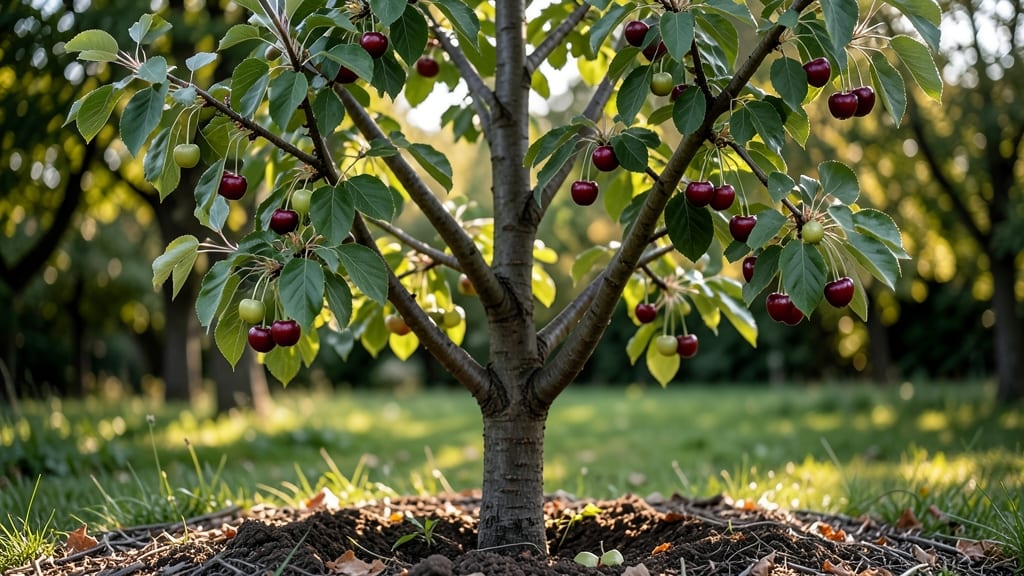
Fruiting cherry trees take 3 to 10 years to produce fruit, depending on the variety and care you provide 🍒 — but the wait can feel endless when you’re dreaming of fresh, homegrown cherries.
Imagine planting a sapling in spring, only to watch it grow leaves for years without a single fruit. That’s the reality for many gardeners, but it doesn’t have to be that way.
With the right variety, proper pollination, and a few key growing tips, you can cut that timeline down by years.
In this guide, I’ll break down the exact fruiting timeline for sweet, sour, and tart cherries, including dwarf varieties that bear fruit in as little as 2 years. You’ll also learn how to accelerate production with pruning, fertilization, and pollination tricks.
Ready to turn those bare branches into a bounty? Let’s get into the year-by-year timeline so you know exactly what to expect — and how to speed things up.
Cherry tree fruiting timeline by variety: when to expect first harvests
If you're dreaming of a backyard bursting with juicy cherries, patience is key—especially when it comes to cherry tree fruiting timelines. While some varieties reward you with fruit in just 2-3 years, others may take 7+ years to bear meaningful harvests.
The difference often comes down to the variety, whether you planted a dwarf or standard-size tree, and how well you've cared for it. Let’s break down exactly what to expect year by year.
Understanding these timelines helps you set realistic expectations and avoid frustration. For example, 'Montmorency' tart cherries might surprise you with a small harvest in year 3, while 'Bing' sweet cherries could take 5-7 years to reach their full fruiting potential.
Even within the same category—like sour cherries—some cultivars mature faster than others. Let’s dive into the specifics so you can plan your orchard with confidence.
🍒
For dwarf cherry trees, the wait is significantly shorter—often just 2-5 years—making them ideal for home gardeners with limited space. These compact varieties, like 'Stella' sweet cherries or 'Montmorency' tart cherries, can produce a small but meaningful harvest in their third year.
Dwarf trees also mature faster because their roots and canopies are smaller, allowing them to focus energy on fruiting sooner. If you’re impatient for cherries, dwarf varieties are your best bet for quick rewards.
On the other hand, standard-size cherry trees take longer—typically 5-10 years—because they prioritize growth over fruit production during their early years. Trees like 'Bing' sweet cherries or 'Rainier' varieties invest heavily in trunk and branch development before shifting focus to fruit.
This slower pace is normal, but it’s why many gardeners opt for dwarf or semi-dwarf varieties when space and time are concerns. Even so, with proper care, a standard tree can eventually outproduce its smaller counterparts.
One common misconception is that all cherry trees follow the same timeline. In reality, sour cherries often fruit faster than sweet cherries, sometimes as early as year 2 for dwarf varieties like 'Montmorency'.
This is because sour cherries are generally hardier and more adaptable to a range of growing conditions. Tart cherries, like 'Balaton', also tend to mature quickly, often producing fruit in 4-5 years for dwarfs.
If you’re choosing a variety, prioritize those labeled as self-fertile or early-bearing to minimize delays.
Your growing conditions play a huge role in how quickly your cherry tree fruits. For example, trees planted in full sun (6+ hours daily) and well-draining soil with a pH of 6.0-6.5 will mature faster than those struggling in shade or compacted soil.
Additionally, winter chilling hours—typically 300-1,000 hours below 45°F—are critical for cherry trees to set fruit. If you live in a warmer climate, your tree might take longer to fruit because it doesn’t get enough cold exposure to trigger blossoming. Always check your USDA hardiness zone when selecting varieties.
Pruning also impacts fruiting timelines. Over-pruning young trees can delay fruit production by slowing growth, while minimal pruning to maintain an open canopy encourages earlier fruiting. Focus on removing dead or crossing branches in the first few years, and avoid heavy cuts that could stress the tree.
Once your tree starts bearing fruit, you’ll want to prune in late winter to shape it and improve air circulation, which reduces disease risk and boosts future yields. Think of pruning as a way to accelerate maturity rather than hinder it.
Finally, don’t overlook the role of pollination. Some cherry varieties, like 'Stella' or 'Montmorency', are self-fertile, meaning they can produce fruit without a second tree nearby.
Others, like 'Bing', require cross-pollination from a different variety to set fruit. If you’re planting just one tree, choose a self-fertile cultivar or plant
5 Factors that speed up or delay cherry tree fruiting (and how to control them)
Your cherry tree may take years to produce fruit, but these 5 key factors determine whether it fruits faster or gets stuck in a delay. From soil pH to winter chilling hours, small adjustments can make a big difference.
Let’s break down what controls your tree’s fruiting timeline—and how to optimize each factor for success.
First, soil pH is non-negotiable. Cherry trees thrive in acidic soil (6.0–6.5). If your soil is too alkaline, nutrients like iron and zinc become unavailable, stunting growth and delaying fruit production.
Test your soil today—it’s the first step to unlocking faster fruiting. A simple soil test kit from your local garden center will reveal the pH and guide amendments like sulfur or lime.
Next, sunlight exposure directly impacts flowering. Cherry trees require 6+ hours of full sun daily to set fruit. If your tree is in partial shade, consider relocating it or pruning overhanging branches.
Even 2–3 hours of shade can reduce blossoms by 30–50%, delaying your harvest. Observe your tree’s canopy—if leaves look pale or sparse, it’s a sign of insufficient light.
Pruning is another game-changer for fruiting speed. Overly dense canopies block light and air, creating poor fruit set. Aim for an open, vase-shaped structure by pruning in late winter or early spring.
Remove water sprouts and crossing branches to redirect energy toward fruit production. Just remember: never prune after June, as new growth won’t harden before winter.
Consistent watering keeps your cherry tree healthy and productive. Deep, infrequent watering encourages strong root growth, while shallow, frequent watering leads to weak roots and stress. Aim for 1–2 inches of water per week, adjusting for rain.
Mulch with wood chips or straw to retain moisture and suppress weeds, which compete for nutrients. During droughts, increase watering to 2–3x weekly.
Finally, winter chilling hours are critical for most cherry varieties. Trees need 300–1,000 hours below 45°F to break dormancy and flower. In warm climates (Zones 7–9), choose low-chill cherries like 'Stella' or 'Lapins', which thrive with fewer chilling hours.
If your tree isn’t flowering, it may need more cold exposure—or it could be a variety mismatch for your climate.
By addressing these 5 factors, you’ll give your cherry tree the best chance to fruit faster. Start with soil testing and sunlight adjustments, then refine pruning and watering. With patience and care, you’ll be picking juicy cherries in 3–5 years instead of waiting a decade! 🍒