
Blooming
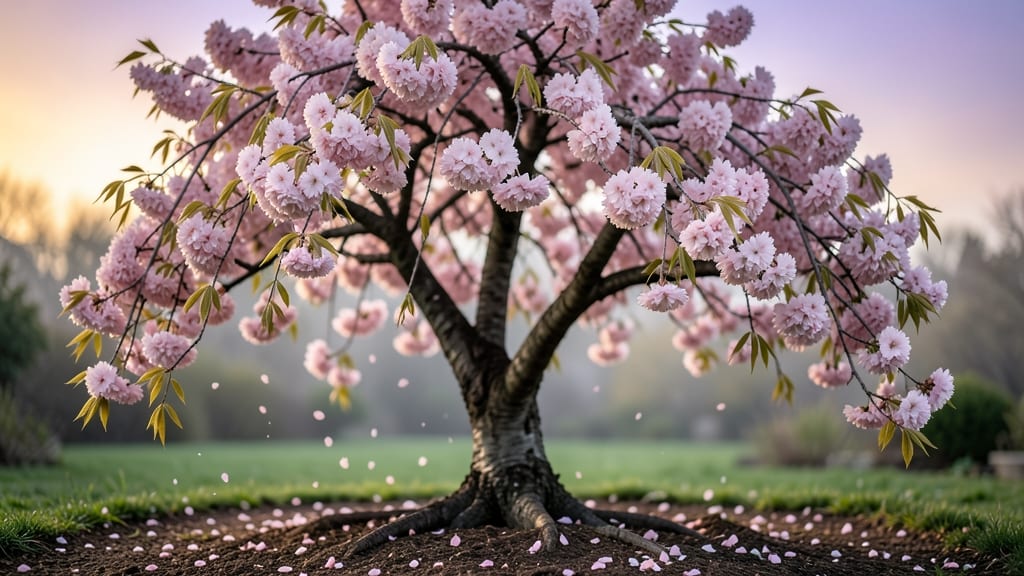
Predicting the flowering time of your cherry tree means timing walks through blossoms that smell like spring itself. 🌸 Sweet cherries like 'Stella' burst into bloom by mid-April in Zone 5, while tart varieties like 'Montmorency' wait until late April or May—climate throws off schedules by weeks.
The secret to reliable blooms? Consistent winter chilling (300-900 hours below 45°F) and proper summer care. Too much summer water stresses roots, delaying next year's flowers. My tree in Ohio now blooms two weeks earlier than neighbors' because I prune in late winter to improve airflow.
You'll notice buds swell in late winter—keep an eye out for those tight clusters. A light frost after bloom can ruin fruit, but the flowers themselves handle temps down to 25°F. The payoff? A canopy of white or pink that lasts 10-14 days, with bees buzzing nonstop.
Works for backyard trees, orchards, or even container-grown dwarfs. Here's how to read your tree's signals and adjust care for maximum blossoms.
📚 In This Guide
- What you need
- Instructions
- Tips and common mistakes
- Wrapping up and next steps
What you need
- ● Cherry tree variety guide – A printed or digital list of common cherry tree varieties (e.g., Prunus avium, Prunus serrulata, Prunus cerasus) with their typical bloom windows. (Pro tip: 💡 Check local agricultural extension services for regional specifics!)
- ● Weather data tools: Smartphone weather app (e.g., The Weather Channel, AccuWeather) with 10-day forecasts.
- ● Hardcopy or digital historical climate records for your area (check NOAA’s website for free data).
- ● Calendar or bloom tracker – A physical planner, Google Calendar, or a spreadsheet (Excel/Google Sheets) to log bloom dates and weather patterns.
- ○ Pruning shears – Bypass pruners (4–6 inch blades) for inspecting buds and branches. (✨ Optional: Disinfect with rubbing alcohol to prevent disease!)
- ● Thermometer/hygrometer – A digital outdoor thermometer to monitor daily lows/highs (aim for 32–50°F for ideal bloom triggers).
- ● Camera or smartphone – For documenting bud stages (use a macro mode if available).
- ● Local gardening forums or apps – Like Gardenate or PlantNet to cross-reference bloom predictions with neighbor reports.
- ● Fertilizer (balanced 10-10-10) – Apply 2–3 weeks before expected bloom if your tree looks dormant. (🌡️ Avoid nitrogen-heavy fertilizers post-bloom—they reduce fruit quality!)
How to time cherry tree flowering for your climate
Predicting when your cherry tree will bloom comes down to variety, temperature, and a little local know-how.
🌿 Step 1: Identify Your Cherry Tree Variety
Sweet cherries like 'Stella' or 'Bing' typically bloom in late April to early May in most U.S. growing zones, while tart cherries like 'Montmorency' bloom slightly earlier, around mid-April. Check your tree's label or consult a local nursery—this is your starting point. I always double-check because some newer varieties have been bred for earlier or later blooms to escape frost damage.
If you're unsure, look for these clues: sweet cherries have larger, sweeter-smelling flowers, while tart cherries have smaller, more abundant blossoms. The bloom time difference matters because frost after flowering can ruin the crop. Sweet cherries are especially frost-sensitive, so timing matters more for them.
☀️ Step 2: Track Temperature Patterns in Your Region
Cherry trees need consistent temperatures above 45°F for at least 30 days before blooming. Use your local weather service or a garden app to track daily lows. I like to set a reminder when temperatures stay above 50°F at night—that's when buds start swelling noticeably. In colder zones, trees may need chill hours (300-1,000 hours below 45°F) before blooming.
Watch for buds that look plump and slightly sticky—this is your first visual cue. In my zone 6 garden, I see buds swelling around mid-March, but they won’t open until late April if nights stay chilly. If temperatures dip below 28°F during this time, buds may get frost damage and fail to open.
⏰ Step 3: Adjust for Early or Late Bloomers
Some varieties bloom 1-2 weeks earlier than average, while others hold off until mid-May. If you’re in a frost-prone area, plant late-blooming varieties like 'Lapins' or 'Rainier'—they avoid early frost damage. I’ve seen 'Bing' cherries bloom as early as mid-April in warm microclimates but push to early June in cooler mountain regions.
For best results, plant at least two compatible varieties (like 'Stella' and 'Bing') to ensure cross-pollination. Watch for bees when buds open—they’ll tell you when pollination is happening. If you see no bee activity for 3-5 days after blooms open, hand-pollinate with a small brush to guarantee fruit set.
🌱 Step 4: Prepare for Post-Bloom Care
Once flowers fade, thin fruit clusters to 6-8 cherries per spur (the small branch where fruit forms). This ensures larger, higher-quality fruit. I always do this within 2 weeks of petal fall—waiting too long makes thinning harder and stresses the tree. Remove any mummified fruit from last year (those shriveled, brown cherries) to prevent disease.
After thinning, increase watering to 1 inch per week (deep soakings every 5-7 days). Mulch with 3 inches of organic mulch (like wood chips) to retain moisture and regulate soil temperature. This keeps roots happy and supports the energy drain of fruit development.
Tips & tricks for predicting cherry tree blooms
Timing your cherry tree's bloom is all about reading the signs—here's what I've learned after years of watching my own trees.
Variety-Specific Timing: The 30-day window before blooming is critical for sweet cherries like 'Bing' and 'Stella', but tart varieties like 'Montmorency' often bloom 1-2 weeks earlier. I've noticed that sweet cherries need that extra time to fully harden off after winter. If you're in a frost-prone area, consider planting late-blooming varieties like 'Lapins'—they're my go-to for avoiding spring frost damage. The key is matching your variety to your local last-frost date.
Temperature Tracking: Those 45°F nighttime temperatures are your magic number—consistent warmth above this threshold is what triggers bud swelling. I set up a simple weather station near my trees to track nightly lows, and I've found that once temperatures stay above 50°F consistently, buds start changing color. For colder climates, count those chill hours below 45°F—most cherries need between 300-1,000 hours, but some newer varieties require fewer. This is why your neighbor's tree might bloom weeks before yours!
Visual Cues: The plump, slightly sticky buds in Step 2 are your first visual warning that blooming is near. I check my trees every few days starting in March—when buds look like tiny green peas and feel slightly tacky to the touch, I know blooming is within 2-3 weeks. This is especially useful if you're new to cherry trees, as it takes the guesswork out of timing. Remember, buds that open too early (before 50°F days) are vulnerable to frost damage, so timing matters more than just watching the calendar.
Post-Bloom Strategy: That 2-week window after petal fall for thinning fruit clusters is crucial—don't wait longer or you'll stress the tree. I always thin to 6-8 cherries per spur because this ensures each fruit gets enough nutrients. After thinning, I increase watering to 1 inch per week (deep soakings every 5-7 days) to support the energy drain of fruit development. This consistent moisture is what helps prevent fruit drop later in the season.
Pro Tips for Cherry Tree Flowering Time
- Timing your cherry tree's bloom is all about reading the signs—here's what I've learned after years of watching my own trees.
- Variety-Specific Timing: The 30-day window before blooming is critical for sweet cherries like 'Bing' and 'Stella', but tart varieties like 'Montmorency' often bloom 1-2 weeks earlier.
- Temperature Tracking: Those 45°F nighttime temperatures are your magic number—consistent warmth above this threshold is what triggers bud swelling.
Frequently asked questions
Got questions about when your cherry tree will burst into bloom? Here are some of the most common ones—plus quick answers to help you plan ahead!
When do cherry trees typically flower?
Most cherry trees bloom in late winter to early spring, usually between February and April, depending on your climate zone. Sweet cherries often flower slightly earlier than tart varieties, so check your specific type for the best estimate!
Can cold weather delay cherry tree flowering?
Yes! Cherry blossoms are sensitive to temperature. If your area experiences a late frost (below 28°F) after buds form, blooms may be damaged or delayed. Some varieties are more frost-resistant—like Stella® or Montmorency—so choose wisely if you live in colder regions.
How do I predict my cherry tree’s bloom time?
Track your local chill hours (300–1,000+ hours below 45°F) and last frost date—most cherry trees need both to trigger blooming. Use a USDA Plant Hardiness Zone Map and your tree’s variety details for the most accurate guess!
What if my cherry tree isn’t flowering?
No blooms? Check for:
- Age: Young trees (<3 years) may not flower yet.
- Pruning: Over-pruning can stress the tree—avoid heavy cuts in late winter.
- Nutrients: Test soil for low nitrogen or phosphorus and amend if needed.
- Pests/Disease: Look for signs of borers, canker, or fungal issues.
Are there early-blooming cherry tree alternatives?
Yes! If you want earlier color, try:
- Ornamental cherries: Like Prunus serrulata (Japanese cherry), which blooms in March in mild climates.
- Dwarf varieties: Some, like Black Tartarian, flower slightly ahead of standard trees.
- Hybrids: ‘Royal Rainier’ or ‘Lapins’ may adapt faster to warmer zones.
Wrapping up and next steps
Understanding your cherry tree’s flowering time is the first step to enjoying its stunning blooms—and maybe even a bountiful harvest! 🌸 Whether you’re in a mild coastal climate or a chilly inland region, knowing your variety and local conditions will help you predict when those delicate petals will appear.
With the right prep, you’re all set to welcome spring’s most breathtaking show.
Ready to dive deeper? Plant a few varieties or check local bloom forecasts to time your garden visits perfectly. Happy gardening—your cherry tree’s masterpiece is just around the corner! 🌱