Blooming
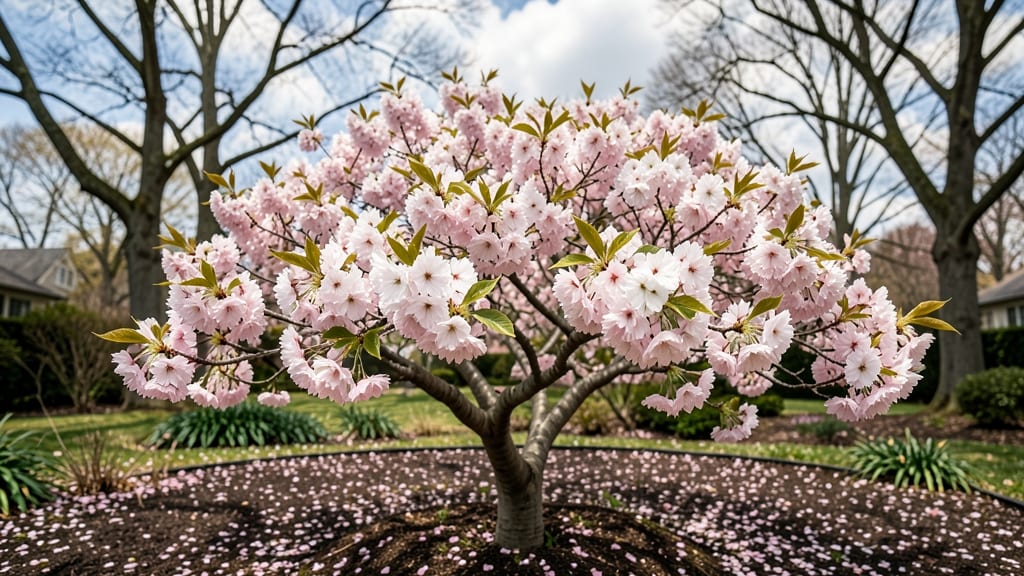
Growing a Yoshino cherry blossom tree means waking up to clouds of pink in spring. 🌸 I planted mine in zone 6, and within three years, it became the showstopper of my front yard—its delicate blossoms lighting up the neighborhood for weeks.
The secret isn't just the planting; it's the right balance of sunlight, soil, and patience that turns this tree into a landscape centerpiece.
This cold-hardy beauty thrives in zones 5-9, making it perfect for gardeners who want drama without fuss. You'll need well-draining soil, full sun (at least 6 hours daily), and space to grow—Yoshinos mature at 30-40 feet tall.
The key to those iconic spring blooms? Pruning in late winter to encourage strong branches, and avoiding heavy fertilizers that can reduce flowering.
By late April, your tree will burst into bloom, covering itself in soft pink flowers that attract bees and butterflies. The foliage stays lush all summer, and the tree's graceful shape adds year-round interest. With proper care, Yoshinos live for decades, becoming living monuments in your landscape.
Works beautifully as a specimen tree, along driveways, or even in larger containers for patios. Just remember: Yoshinos are self-pollinating but bloom best with companions like other cherry varieties. Let's get yours growing!
📚 In This Guide
- What you need
- Instructions
- Tips and common mistakes
- Wrapping up and next steps
What you need
- ● Yoshino cherry blossom tree: 1 bare-root sapling (dormant season, fall/winter) or
- ● 1 container-grown Yoshino (1-3 gallons, ~3-6 ft tall) or
- ● Seeds (rare; requires stratification—see tips below!)
- ● Planting site: Full sun (6+ hours/day) 🌞
- ● Well-draining soil (pH 5.0–7.0)
- ● Space: 20–30 ft wide × 20–30 ft tall (for mature tree)
- ● Tools: Shovel or digging spade
- ● Garden trowel (for small adjustments)
- ● Pruning shears (sterilized)
- ● Mulch (2–4 inches of wood chips or pine bark)
- ● Watering can or hose (with gentle spray nozzle)
- ● Fertilizer: Balanced 10-10-10 or slow-release granular fertilizer (follow package rates)
- ● Tree stakes + ties (for young saplings in windy areas)
- ● Soil amendments: Compost or peat moss (if soil is heavy/clay)
- ● Drip irrigation system (for consistent moisture)
- ● Fungicide (e.g., copper-based, for prevention of leaf spot)
- ● Bird netting (to protect blossoms from hungry critters!)
Step-by-Step instructions for planting and caring for Yoshino cherry blossom trees
Here's how to plant and nurture these stunning, cold-hardy trees for decades of springtime beauty.
🌱 Step 1: Choose the Perfect Planting Location
Yoshino cherry blossoms thrive in full sun—select a spot that receives at least 6 hours of direct sunlight daily. I always look for areas with open sky exposure to prevent branches from becoming weak or leggy. The tree's roots need well-draining soil, so avoid low-lying areas where water pools after rain.
Check the mature size of your tree (typically 25-35 feet tall and 25-40 feet wide), and plant it at least 15 feet away from structures, sidewalks, or other trees. This ensures proper airflow and prevents root competition. If planting near a foundation, keep it 20 feet away to avoid future damage.
🪴 Step 2: Prepare the Planting Hole and Soil
Dig a hole that's twice as wide as the tree's root ball but only as deep. The top of the root ball should sit 1-2 inches above ground level when planted—this prevents water from pooling around the trunk. Loosen the sides of the hole with a shovel to encourage root spread into the surrounding soil.
Amend the native soil with a mix of compost and native soil (about half and half) to improve drainage and fertility. Yoshino cherries prefer slightly acidic to neutral soil (pH 6.0-7.0). If your soil is heavy clay, add a layer of sand or perlite at the bottom of the hole to improve drainage.
💧 Step 3: Plant and Water Thoroughly
Gently remove the tree from its container and loosen any circling roots with your fingers. Place it in the hole so the root flare (where the roots meet the trunk) is visible above the soil line. Fill the hole with the amended soil, tamping it down lightly as you go to eliminate air pockets.
Water the tree deeply right after planting—10-15 gallons should soak the root ball and surrounding soil. The soil should be moist 12 inches down after watering. Mulch the base with 2-3 inches of organic mulch (like wood chips), keeping it 3 inches away from the trunk to prevent rot. This mulch layer helps retain moisture and regulate soil temperature.
☀️ Step 4: Provide Ongoing Care for Healthy Growth
Water your Yoshino cherry blossom deeply once a week during the first growing season, ensuring the soil stays moist but not waterlogged. Once established (after 2-3 years), the tree becomes drought-tolerant, but young trees need consistent moisture. You'll know it's getting enough water when the top 6 inches of soil feel damp.
Fertilize in early spring with a balanced, slow-release fertilizer (like 10-10-10) to encourage strong root and shoot growth. Avoid high-nitrogen fertilizers, which can promote excessive leaf growth at the expense of flowers. Prune in late winter or early spring before buds swell, removing any dead, diseased, or crossing branches to maintain an open canopy.
⏰ Step 5: Enjoy and Protect for Future Blooms
Yoshino cherry blossoms typically bloom in early to mid-spring, often before the leaves emerge. To ensure vibrant blooms year after year, avoid heavy pruning during the growing season—this can reduce next year's flower production. Instead, focus on shaping the tree in late winter when it's dormant.
Watch for signs of stress, like yellowing leaves or early leaf drop, which can indicate overwatering, poor drainage, or pest issues. If pests like aphids or scale appear, treat with horticultural oil or insecticidal soap in early spring before new growth begins. With proper care, your Yoshino cherry blossom will reward you with stunning spring displays for decades.
Tips & tricks for perfect Yoshino cherry blossom planting
Planting a Yoshino cherry blossom is a long-term investment in beauty—here's how to set yours up for decades of success.
Sunlight Strategy: While the instructions mention 6 hours of direct sunlight daily, I've found that these trees truly shine with 8+ hours in full sun zones. Morning sun is ideal—it dries dew quickly, reducing fungal risks. If your yard has afternoon shade, position the tree to catch the strongest morning rays. Watch for weak, leggy growth if sunlight drops below 6 hours; this is your tree's way of stretching toward the light.
Soil Prep Secret: The half-and-half compost mix in Step 2 works wonders, but I take it further by testing soil pH first. Use a simple pH kit to confirm your soil falls within the 6.0-7.0 range. If it's too acidic (below 6.0), add crushed limestone; if too alkaline (above 7.0), work in sulfur or peat moss. Proper pH prevents nutrient deficiencies that can cause poor blooming. For heavy clay soils, I add 2 inches of coarse sand mixed into the bottom of the hole—this creates a drainage layer that prevents root rot.
Watering Wisdom: Those 10-15 gallons after planting are crucial, but I've learned that the real test comes in the first growing season. Water deeply once a week until the top 6 inches of soil feel damp—this encourages deep root growth. A simple trick: Use a screwdriver to check moisture. If it slides in easily, you're overwatering; if it meets resistance, water again. During summer droughts, I increase to twice weekly watering for the first two years to establish strong roots.
Mulching Mastery: The 2-3 inches of organic mulch is perfect, but I've found that wood chips work best because they break down slowly. Keep it 3 inches away from the trunk to prevent rot—this is non-negotiable. I also add a 1-inch layer of pine needles over the wood chips in fall; this mimics the tree's natural forest floor and helps regulate soil temperature. Avoid fresh mulch, which can draw moisture away from the roots.
Pro Tips for Cherry Blossom Tree Yoshino
- Planting a Yoshino cherry blossom is a long-term investment in beauty—here's how to set yours up for decades of success.
- Sunlight Strategy: While the instructions mention 6 hours of direct sunlight daily, I've found that these trees truly shine with 8+ hours in full sun zones.
- Soil Prep Secret: The half-and-half compost mix in Step 2 works wonders, but I take it further by testing soil pH first.
Frequently asked questions
Got questions about growing your own Yoshino cherry blossom tree?
You’re not alone! Here are some of the most common ones—plus straightforward answers to help you nurture this stunning cold-hardy beauty.
When do Yoshino cherry blossoms bloom, and how long do they last?
The Yoshino cherry tree typically blooms in early to mid-spring, often between late March and early April, depending on your climate. Flowers last 7–10 days at peak beauty, though some petals linger for weeks. For the best show, plant near a window or path to enjoy the fleeting spectacle!
How cold can a Yoshino cherry tree tolerate?
This tree is hardy in USDA Zones 5–9, meaning it can survive winter temps as low as -20°F (-29°C). However, young trees (under 3 years old) may need winter protection, like wrapping the trunk or using burlap. Mature trees are tougher and often bounce back after frost!
Do Yoshino cherry trees need full sun, or can they grow in partial shade?
While Yoshino cherries thrive in full sun (6+ hours daily), they can tolerate partial shade (4–6 hours) in hotter climates. Too little light? Expect fewer blooms and weaker growth. For optimal pink perfection, plant in a spot with morning sun and afternoon shade if needed.
Why isn’t my Yoshino cherry tree blooming?
Common reasons include young age (trees under 5–7 years may not bloom), poor sunlight, or over-fertilizing with nitrogen (which encourages leaves over flowers). Prune in late winter, ensure well-draining soil, and avoid heavy pruning during blooming season. Patience pays off—some trees take a decade to reach full glory!
Are there dwarf or smaller Yoshino cherry tree alternatives?
If space is limited, consider these compact options:
- ‘Shirotae’: A dwarf Yoshino variety reaching 15–20 ft tall.
- ‘Akebono’: A cold-hardy, smaller cultivar (20–25 ft) with stunning pink blooms.
- ‘Okame’: A hybrid cherry with double flowers and moderate size (25–30 ft).
Wrapping up and next steps
The Yoshino cherry blossom tree is a stunning, cold-hardy beauty that brings fleeting yet magical springtime magic to gardens in zones 5-9. With the right care—sunlight, well-draining soil, and patience—you’ll be rewarded with breathtaking pink blooms and a tree that thrives for decades. 🌸
Ready to plant your own? Start by choosing a prime spot in your yard, gather your supplies, and take the first step toward creating a cherished landscape centerpiece. Your future Yoshino will thank you!