
Blooming
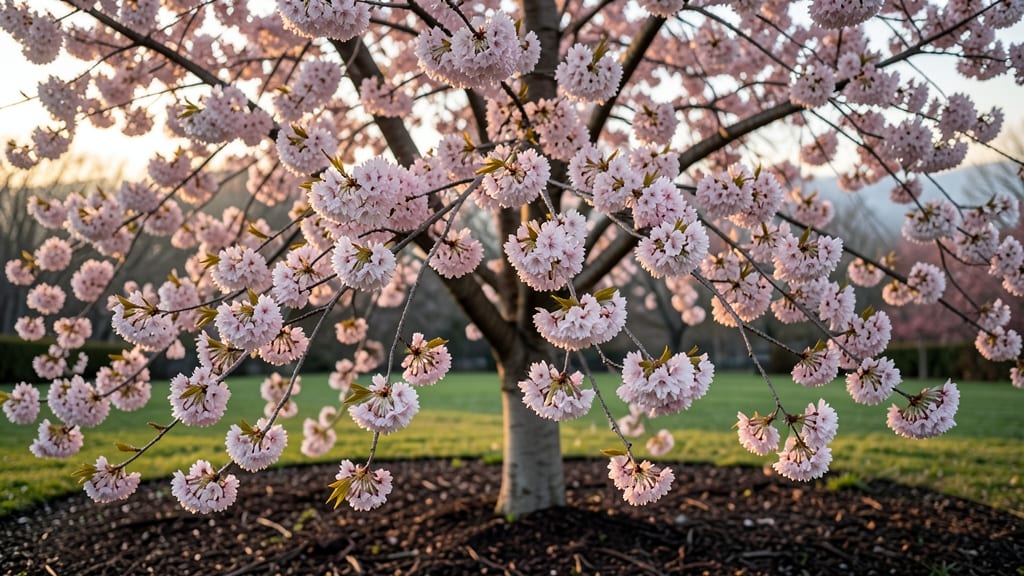
A cherry blossom tree in the USA means waking up to clouds of pink and white every spring. 🌸 The Yoshino cherry, with its delicate petals and reliable blooms, is the most popular choice for U.S. gardens in Zones 5-8—but Autumn Royal and Kwanzan varieties offer stunning alternatives for warmer climates.
These trees don’t just add beauty; they transform neighborhoods into seasonal showstops, complete with that unmistakable fragrance that lingers for weeks.
The secret to success starts with the right spot: full sun for at least 6 hours daily and well-draining soil that mimics their native Japanese forests.
Most nurseries carry young trees ready for planting, but growing from seed (a 5-7 year wait for blooms) is a rewarding challenge for patient gardeners. Once established, these trees thrive with minimal fuss—just annual pruning to shape them and occasional watering during droughts. The payoff?
A canopy of blossoms that outshines even the most manicured landscapes.
Regional variations matter: Pacific Northwest gardeners can plant in early fall, while Southern growers should wait until late winter to avoid heat stress. Pest issues like borers or fungal diseases are rare but handled with proper spacing and occasional fungicide sprays.
With the right care, your cherry blossom will reward you for decades—imagine grandchildren gathering under its branches during spring festivals. The hardest part? Waiting for that first bloom.
Whether you’re planting a single specimen or a small grove, these trees adapt beautifully to urban settings and large estates alike. Start with a dwarf variety like ‘Royal Celebration’ if space is limited, or go bold with a 30-foot standard for maximum impact.
The key is patience: these trees take 3-5 years to reach full bloom, but once they do, they become the centerpiece of your garden’s seasonal rotation. Ready to make your yard the talk of the neighborhood?
📚 In This Guide
- What you need
- Instructions
- Tips and common mistakes
- Wrapping up and next steps
What you need
- ● Cherry Blossom Tree: 1 seed (from a reliable nursery) OR
- ● 1 bare-root sapling (4–6 ft tall, hardy for your USDA zone) OR
- ● 1 container-grown tree (3–5 gallon pot, 6–10 ft tall)
- ● Soil: 50 lbs well-draining garden soil (mix with compost for nutrients)
- ○ Optional: sand or perlite (for heavy clay soil, 10–20% mix)
- ● Planting Supplies: 1 shovel (for digging)
- ● 1 trowel (for seed/sapling precision)
- ● 1 pruning shears (sterilized)
- ● 1 mulch (3–4 inches of wood chips or straw)
- ● Fertilizer: 1 balanced fertilizer (10-10-10 or 20-20-20, 1 lb)
- ○ Optional: slow-release granules (for long-term growth)
- ● 1 tree stake (for young saplings in windy areas)
- ● 1 drip irrigation system (for consistent watering)
- ● 1 pH testing kit (ideal soil pH: 6.0–7.0)
- ● 1 tree guard (to protect from pests/deer)
- ● Slow-release watering crystals (for drought-prone zones)
Step-by-step instructions for planting and cultivating cherry blossom trees
Turn your yard into a springtime paradise with these straightforward steps to grow cherry blossoms from seed.
🌱 Step 1: Stratify Seeds for Successful Germination
Cherry blossom seeds need a cold period to break dormancy. Place the seeds in a damp paper towel and fold it so they're snug but not crushed. Put the towel in a sealed plastic bag and refrigerate for 6-8 weeks. Check weekly—they should feel damp but not soggy. This mimics winter's chill, which is critical for triggering germination.
After 6-8 weeks, remove the seeds and plant them ½ inch deep in a pot filled with well-draining potting mix. Keep the soil consistently moist but not waterlogged. You'll know it's working when you see tiny green shoots emerge in 4-6 weeks. Real talk: Patience is key here—rushing this step often leads to poor germination rates.
☀️ Step 2: Provide Ideal Growing Conditions for Young Saplings
Once seedlings sprout, place them in a spot with full sun (6-8 hours daily). A south-facing window or under grow lights works well. Keep the soil moist but avoid overwatering—soggy soil causes root rot. You'll notice healthy growth when leaves appear deep green and stems stay upright.
After 2-3 months, when seedlings reach 4-6 inches tall, transplant them into individual pots with fresh potting mix. This prevents overcrowding and encourages stronger root development. I always harden them off for a week before moving outdoors—gradually increase their time outside to toughen them up.
🪴 Step 3: Plant Outdoors in the Right Location and Soil
Choose a spot with full sun to partial shade and well-draining soil. Cherry blossoms thrive in slightly acidic to neutral soil (pH 6.0-7.0). Dig a hole twice as wide as the root ball but only as deep as the container. Gently remove the sapling, loosen its roots, and place it in the hole so the top of the root ball sits 1 inch below soil level.
Backfill with native soil, tamp lightly, and water deeply. Mulch around the base with 2-3 inches of organic mulch to retain moisture and suppress weeds. Keep the soil consistently moist for the first 2 months—you'll see new growth within a few weeks if conditions are right.
✂️ Step 4: Prune and Maintain for Healthy Blooms
Prune in late winter or early spring before buds swell. Remove dead, diseased, or crossing branches to improve airflow. Cut just above a bud or branch collar, using clean pruners. This encourages strong growth and better flowering. I always prune on a dry day to reduce disease risk.
Fertilize in early spring with a balanced, slow-release fertilizer to support new growth. Water deeply once a week during dry spells, but avoid overwatering—cherry blossoms are drought-tolerant once established. You'll know you're doing it right when the tree produces abundant pink blossoms in 4-6 years.
Tips & tricks for perfect cherry blossom tree cultivation
Here's what I wish I knew before starting my own cherry blossom journey—these little details make all the difference between a thriving tree and a struggling sapling.
Cold Stratification Secret: The 6-8 week refrigeration period isn't just about time—it's about consistent moisture. I learned this the hard way after ruining three batches with either soggy or bone-dry towels. Weigh your paper towel before and after refrigeration to ensure it stays at about 10% moisture content. Too dry? Spritz with water. Too wet? Add an extra dry towel. This mimics natural winter conditions perfectly.
Seedling Lighting Strategy: When your seedlings first sprout, they need that full 6-8 hours of sunlight daily—but not all windows are equal. South-facing windows get the most light, but if you're using grow lights, position them just 6 inches above the seedlings. I use a simple LED grow light on a timer for 12 hours daily, which actually gives them more consistent light than natural sunlight variations. The key is keeping them upright and vibrant green.
Transplanting Timing: The 2-3 month mark for transplanting might seem arbitrary, but it's actually based on root development. When you see those little roots circling the bottom of the pot, that's your cue. Gently squeeze the sides of the pot—if roots come away easily, it's ready. I always transplant on a cloudy day to reduce stress on the seedlings. After transplanting, give them a good drink of water to help settle the soil around the roots.
Outdoor Planting Wisdom: That 1-inch depth below soil level for the root ball isn't just random—it's about creating a stable base. When you're backfilling, mix some compost into the native soil to give your young tree a nutrient boost right from the start. And here's a pro move: water the hole before placing the sapling in—this helps the roots settle immediately and prevents air pockets that can strangle new growth.
Pro Tips for Cherry Blossom Tree Usa
- Here's what I wish I knew before starting my own cherry blossom journey—these little details make all the difference between a thriving tree and a struggling sapling.
- Cold Stratification Secret: The 6-8 week refrigeration period isn't just about time—it's about consistent moisture.
- Seedling Lighting Strategy: When your seedlings first sprout, they need that full 6-8 hours of sunlight daily—but not all windows are equal.
Frequently asked questions
Got questions about growing your own cherry blossom tree in the USA? Here are some of the most common ones—plus expert answers to help you succeed!
When do cherry blossom trees bloom in the USA?
Blooming time varies by variety and climate. Most Prunus serrulata (Japanese cherry blossoms) bloom in late March to early May, while Prunus avium (sour cherries) may bloom slightly earlier. Warmer regions (like Southern California) see blooms as early as February, while colder zones (Midwest/Northeast) may wait until April-May. Choose a tree suited to your USDA hardiness zone for reliable blooms!
How long does it take for a cherry blossom tree to bloom?
Patience is key! Dwarf varieties may bloom in 3–5 years, while standard trees can take 5–10 years to reach full flowering potential. Proper care—like full sun, well-draining soil, and regular watering—speeds up the process. Pro tip: If your tree isn’t blooming after 5 years, check for pests, nutrient deficiencies (especially phosphorus and potassium), or over-pruning.
Can I grow a cherry blossom tree in a pot?
Yes, but with limitations! Dwarf varieties (like ‘Kwanzan’ or ‘Royal Celebration’) thrive in 15–20 gallon containers for patios or small yards. Use a fast-draining potting mix and repot every 2–3 years. However, potted trees rarely bloom as abundantly as those planted in the ground. For best results, plant in soil after 2–3 years if you want spectacular spring blooms!
Why aren’t my cherry blossom leaves turning pink or purple?
Pink/purple foliage (like in ‘Shirofugen’ or ‘Okame’) fades in full sun—it’s a shade-loving trait! If your leaves are green, your tree may be getting too much direct sunlight. Try moving it to partial shade (4–6 hours of sun) for vibrant colors. Over-fertilizing with nitrogen can also dull foliage—use a balanced 10-10-10 fertilizer instead.
What’s the best alternative if I can’t grow a traditional cherry blossom?
If your climate is too hot/cold or you want low-maintenance options, try these blooming alternatives:
- Japanese Tree Lilac (Syringa reticulata): Fragrant, drought-tolerant, and blooms in May–June.
- Crabapple (Malus spp.): Disease-resistant, with spring blooms and edible fruit.
- Magnolia (Magnolia stellata): Early spring blooms (even in Zone 4) and glossy leaves.
- Weeping Cherry (Prunus subhirtella ‘Pendula’): Dramatic shape, cold-hardy to Zone 5.
Wrapping up and next steps
Growing a cherry blossom tree in the USA is a rewarding journey that brings unmatched beauty and seasonal joy to your landscape.
Whether you’re planting a seedling or nurturing a sapling, remember that patience and care will reward you with stunning blooms—just like the iconic National Cherry Blossom Festival in Washington, D.C.! 🌸
Ready to take the next step? Start by selecting the right variety for your climate, then mark your calendar for spring planting. With a little love and attention, your cherry blossom tree will soon become the star of your garden!