
Blooming
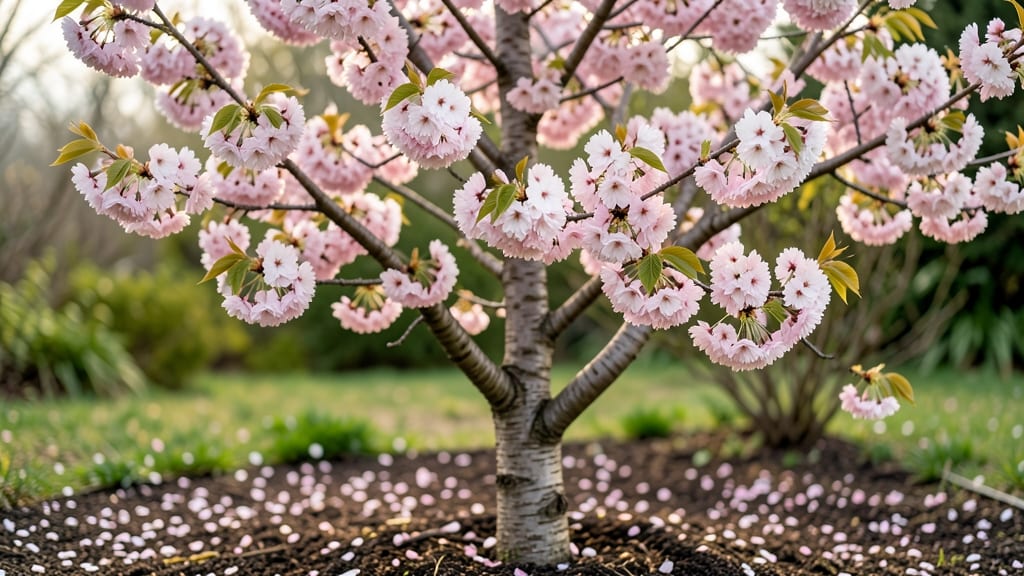
A Japanese cherry blossom tree nearby isn’t just a tree—it’s a seasonal masterpiece that turns any yard into a dreamy spring stage. 🌸 I still remember the first time I saw one in full bloom, its branches heavy with delicate pink petals swaying in the breeze, like nature’s own watercolor painting.
The way it transforms an ordinary space into something magical is unmatched, and the best part? You don’t need a sprawling estate to enjoy it.
These trees thrive in open spaces where they can stretch their branches wide—think lawns, park edges, or even large containers if your yard is small. They love full sun and well-drained soil, but their real magic happens in spring when they burst into color for just a few weeks.
Pair one with early bloomers like daffodils or late-season perennials like hostas to extend the show from first buds to fading petals.
What you’ll get is a landscape that feels like a postcard come to life—soft pink clouds against fresh green leaves, the gentle scent of blossoms drifting on the air, and a spot that instantly becomes the heart of your outdoor space.
The petals create a carpet of color when they fall, and birds love nesting in the branches once the blooms fade.
Perfect for urban gardens, suburban yards, or even as a focal point near patios. Just plant it where you’ll see it every day—because spring’s fleeting beauty deserves to be front and center. Here’s how to make the most of it!
📚 In This Guide
- What you need
- Instructions
- Tips and common mistakes
- Wrapping up and next steps
What you need
- ● Cherry Blossom Tree: 1-3 Prunus serrulata (Japanese cherry blossom) saplings (5-7 ft tall for faster blooms)
- ● OR Seeds (if starting from scratch—note: slower growth, ~3-5 years to bloom)
- ● Planting Site: Full-sun location (6+ hours of direct sunlight daily)
- ● Well-draining soil (amend with compost if needed)
- ● Space: 20-30 ft diameter (account for mature tree spread)
- ○ Soil Amendments (Optional but Recommended): 5 lbs organic compost or aged manure
- ● 1 cup slow-release fertilizer (10-10-10 ratio)
- ● Garden shovel or trowel
- ● Wheelbarrow (for moving soil/compost)
- ● Watering can or hose (with gentle spray nozzle)
- ● Pruning shears (sterilized)
- ● Mulch (2-3 inches of wood chips or pine straw)
- ○ Optional: Tree stakes + ties (for young saplings)
- ● Check local regulations—some areas restrict planting near power lines or require permits.
- ● Research your USDA Hardiness Zone (most cherry blossoms thrive in Zones 5-8).
- ● Plan for seasonal care—cherry blossoms need winter protection in colder climates.
How to enhance your landscape with a stunning Japanese cherry blossom tree
Here’s how to make the most of this iconic tree’s seasonal magic—no planting required.
🌱 Step 1: Scout the Best Viewing Spots
Start by walking your property and identifying open areas where the tree’s blooms will be most visible. Look for spots with unobstructed views from windows, patios, or walking paths. I like to stand in each location and imagine the pink canopy in full bloom—this helps visualize the impact. Early morning light enhances the petals’ delicate hues, so prioritize south- or west-facing areas.
Check for nearby power lines or large structures that might block growth. Japanese cherry blossoms (Prunus serrulata) can reach 20-30 feet tall, so give them plenty of space to mature without crowding your home or driveway. If your yard is small, consider dwarf varieties like ‘Kwanzan’ (15-20 feet) or ‘Shirotae’ (15 feet).
☀️ Step 2: Optimize Light and Soil Conditions
Cherry blossoms thrive in full sun (6+ hours daily), so assess your yard’s sunlight patterns. Use a simple test: Place a white board in a potential spot for a week. If it’s sunny for at least half the day, it’s a good candidate. Shade from tall buildings or evergreens can stunt blooms, so avoid planting (or admiring) under dense canopies.
Dig a small test hole in each spot to check soil drainage. Press a handful of soil—if it stays clumped after squeezing, amend with 2-3 inches of compost to improve aeration. Cherry blossoms hate soggy roots, so slopes or raised beds work best. If your soil is heavy clay, consider a 1-2 foot raised bed for better drainage.
🪴 Step 3: Plan for Seasonal Maintenance
Once you’ve picked your spot, note the tree’s bloom time (late winter to early spring) and plan for seasonal care. Prune dead branches in late fall or early winter to avoid removing next year’s flower buds. I use sterilized shears to cut just above a bud, making clean slashes at a 45-degree angle to prevent water pooling.
Mulch the base with 2-3 inches of organic mulch (like shredded bark) to retain moisture and suppress weeds. Keep mulch 6 inches away from the trunk to prevent rot. Water deeply once a week during dry spells, aiming for 1-1.5 gallons per foot of tree height. Overwatering is worse than underwatering—let the top 2 inches of soil dry out between waterings.
✂️ Step 4: Enhance the Viewing Experience
Add complementary plants to frame the cherry blossom’s beauty. Underplant with spring bulbs like daffodils or tulips for early color, or shade-tolerant perennials like hostas or ferns for summer interest. Place a benchtop or outdoor seating area within 10-15 feet of the tree for the best photo ops.
String fairy lights or solar-powered lanterns near the tree to highlight its branches at dusk. I like to hang them in early spring so they’re ready for the bloom season. Avoid heavy decorations—they can damage delicate branches. Instead, opt for lightweight, flexible materials that sway gently in the breeze.
🌿 Step 5: Prepare for Fall Cleanup
After the petals fall, rake up debris to prevent fungal diseases like powdery mildew. I use a leaf blower on low setting to gather petals without disturbing the soil. Compost the fallen blossoms—they’re rich in nutrients! This keeps your yard tidy and feeds future blooms.
Fertilize lightly in early spring with a balanced 10-10-10 formula (½ cup per foot of tree height). Avoid high-nitrogen fertilizers—they promote leafy growth at the expense of flowers. If your tree is young (under 5 years), skip fertilizer entirely and focus on watering and mulching to establish strong roots.
Tips & tricks for showcasing your nearby Japanese cherry blossom tree
Here’s how to turn that stunning seasonal spectacle into your landscape’s star attraction—without planting a single tree.
Viewing Angle Secret: Stand back and observe the tree from different angles during different times of day. The best spots will catch the light at its most flattering—early morning sun casts a soft glow on the petals, while late afternoon creates dramatic shadows. I’ve found that positioning a bench or chair slightly to the side of the tree’s center creates the most dynamic photo opportunities, especially when framed by complementary plants. This simple shift can turn a good view into a breathtaking one.
Seasonal Lighting Strategy: For maximum impact during bloom season, install solar-powered path lights along the tree’s base. These should be hung at varying heights—some low to illuminate the ground, others higher to catch the branches. I recommend starting this in early spring so the lights are ready when the blossoms appear. The warm glow creates a magical evening atmosphere without disturbing the tree’s natural beauty. Just avoid anything heavier than lightweight string lights that sway gently in the breeze.
Natural Frame Composition: Use the tree’s existing foliage to create natural frames for your viewing spots. Place seating areas where branches arch overhead or where the tree’s silhouette creates a natural border. I’ve seen stunning results by positioning a small table and chairs just outside the tree’s drip line—the space where rainwater naturally falls—creating a cozy nook that feels like part of the tree itself. This approach blends seamlessly with the landscape while maximizing the blossom experience.
Pro Tips for Japanese Cherry Blossom Tree Nearby
- Here’s how to turn that stunning seasonal spectacle into your landscape’s star attraction—without planting a single tree.
- Viewing Angle Secret: Stand back and observe the tree from different angles during different times of day.
- Seasonal Lighting Strategy: For maximum impact during bloom season, install solar-powered path lights along the tree’s base.
Frequently asked questions
Got questions about adding a Japanese cherry blossom tree to your landscape? You’re not alone! Here are answers to the most common queries to help you plan with confidence:
When is the best time to plant a Japanese cherry blossom tree nearby?
Plant your tree in early spring or fall (March–April or September–October) when temperatures are mild. Avoid extreme heat or frost—roots need time to establish before dormancy. Pro tip: Water deeply after planting and mulch to retain moisture!
How long does it take for a cherry blossom tree to bloom?
Patience is key! Most Japanese cherry blossoms (like Prunus serrulata) take 3–5 years to bloom after planting, depending on variety and care. Dwarf varieties may flower sooner (2–3 years). Ensure full sun and well-drained soil to speed up the process.
Can I grow a cherry blossom tree in a pot or small yard?
Yes, but choose a dwarf or semi-dwarf variety (e.g., ‘Kanzan’ or ‘Shirotae’) for containers or tight spaces. Pots need 15+ gallons and drainage holes. In small yards, prioritize root-pruning and prune annually to control size. Bonus: Potted trees can be moved for seasonal displays!
What pests or diseases should I watch for near my cherry blossom tree?
Common threats include:
- Japanese beetles: Handpick or use neem oil.
- Powdery mildew: Improve airflow; spray fungicide if needed.
- Canker disease: Prune infected branches immediately.
Do cherry blossom trees need special care during blooming season?
During spring blooms, focus on:
- Watering: 1–1.5 inches per week (deep soaks, not frequent shallow watering).
- Avoid pruning while in bloom—wait until after flowering to shape.
- Protect from frost: Young trees may need frost cloth if late blooms are forecast.
Wrapping up and next steps
Discovering a Japanese cherry blossom tree nearby isn’t just about adding beauty to your landscape—it’s about embracing a fleeting, magical moment that connects you to nature’s timeless rhythm. 🌸 Whether you’re planting one or simply admiring the blooms, these trees bring joy, tranquility, and a touch of Japanese culture to your space.
Ready to make the most of this seasonal wonder?
Start by planning your visit or planting—check local blooming forecasts, gather supplies, and take action before the petals fall. Share your experience with friends, capture the moment, and let the cherry blossoms inspire a deeper appreciation for the fleeting yet breathtaking beauty of life.