
Blooming
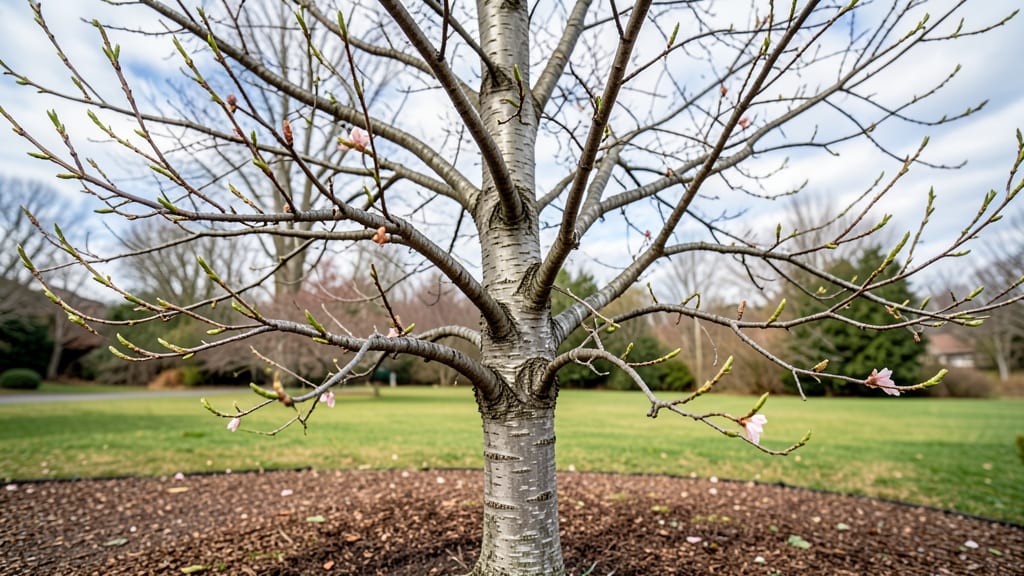
After your cherry blossom tree’s flowers fall off, the real work begins. ✨ The moment those petals drift to the ground, proper care determines whether next spring brings even more blossoms—or just sparse, weak growth.
I’ve watched my neighbor’s tree go from a riot of pink to a shadow of its former self after ignoring this crucial phase.
Most gardeners focus on spring pruning, but summer and fall care—removing spent fruit (if present), shaping the canopy, and feeding the roots—set the stage for next year’s blooms.
You don’t need fancy tools: just sharp pruners, a ladder, and a little patience. The goal? Encourage strong, sturdy branches that’ll support heavy blossoms without breaking.
By late summer, your tree should be pushing fresh green leaves and preparing for dormancy. A light layer of mulch and a balanced fertilizer now ensures roots stay active through fall, while strategic pruning opens the canopy to sunlight—critical for next spring’s buds.
The result? A tree that wakes up in March ready to burst into color again.
Works for both ornamental and fruit-bearing varieties, though timing tweaks slightly for sweet cherries. Here’s how to keep yours thriving year after year—without the guesswork.
📚 In This Guide
- What you need
- Instructions
- Tips and common mistakes
- Wrapping up and next steps
What you need
- ● Pruning shears: Sharp, bypass-style shears (for clean cuts on small branches). Quantity: 1 pair.
- ● Loppers: For thicker branches (up to 1.5 inches in diameter). Quantity: 1 pair.
- ● Pruning saw: For larger branches (2+ inches). Quantity: 1.
- ● Rubbing alcohol (70% isopropyl): To sterilize tools between cuts. Quantity: Small bottle (4 oz).
- ● Garden gloves: Heavy-duty, cut-resistant gloves for safety. Quantity: 1 pair.
- ● Disposable pruning bags: To collect fallen branches and debris. Quantity: 2-3 bags.
- ● Marking twine or tape: For tagging branches to prune later. Quantity: Small roll.
- ● Pruning sealant: For large cuts (1-inch diameter or wider) to prevent disease. Quantity: Small tube.
- ○ Tree wound dressing: Speeds up healing (optional for small cuts). Quantity: 1 jar.
- ● Ladder: If your tree is taller than 6 feet. Type: Sturdy, extendable ladder.
- ● Notebook & pen: To jot down pruning notes or sketch branch maps. Quantity: 1.
- ● Safety glasses: Protects eyes from debris. Quantity: 1 pair.
- ● Knowledge of your tree’s variety (e.g., Prunus serrulata or Prunus avium)—research its specific pruning needs!
- ● Check the best pruning time for your climate (typically late winter or early spring, before buds swell).
- ● Ensure the tree is healthy (no signs of disease or pest infestation).
- ● Clear a safe workspace around the tree (remove tripping hazards).
Cherry blossom tree after flowers fall off: pruning secrets for next season's blooms
Here's how to transform your spent cherry blossom tree into next year's showstopper—no guesswork, just proven pruning.
✂️ Step 1: Wait Until Late Summer or Early Fall
Never prune immediately after flowers fall—you'll cut off next year's blooms. Instead, wait until late August through October when the tree enters dormancy. This timing ensures you're only removing dead or weak wood while preserving the flower buds that form on last year's growth.
Look for new growth to slow down and leaves to start yellowing—these are your cues. I always prune after a light frost, around mid-October, because the tree's energy shifts to root development rather than new shoots.
✂️ Step 2: Remove Dead, Diseased, or Crossing Branches First
Start with sanitation cuts: remove any branches that are dead, broken, or diseased—these spread problems to healthy wood. Use sharp pruners to make clean cuts just outside the branch collar (the swollen area where the branch meets the trunk). I disinfect my tools with rubbing alcohol between cuts to prevent bacterial spread.
Next, eliminate crossing or rubbing branches—these create wounds and weak points. When two branches grow toward each other, the one with the weaker structure goes. You'll know which to remove by looking for thinner diameter or less vigor.
☀️ Step 3: Thin the Canopy for Better Airflow and Light
Cherry blossoms thrive with open, airy canopies—this prevents fungal diseases and encourages stronger blooms. Step back and look for branches that cast too much shade on the interior. Remove 10-20% of the canopy by cutting back branches that grow inward or downward.
Focus on suckers (shoots growing from the base or trunk) and water sprouts (fast-growing vertical shoots). These drain energy from the tree. Cut them back to the point where they emerge from the trunk or branch—never leave stubs.
⏰ Step 4: Shape for Balance and Future Blooms
Now's the time to refine the tree's shape, but never remove more than 25% of the canopy at once. Start at the outer edges and work inward, cutting back branches that grow too long or lose their vigor. Look for natural branch angles—cherry blossoms bloom best on mature wood, so avoid heavy pruning of older branches.
To encourage more flowers next spring, avoid cutting back flower buds (they look like small, plump swellings at the ends of branches). Instead, focus on thinning out crowded areas—this lets sunlight reach the center, where buds form. A well-pruned tree will reward you with denser, more vibrant blooms the following season.
🌱 Step 5: Clean Up and Protect for Winter
After pruning, remove all debris from the area—burn or compost it never leave it on the ground, as it can harbor fungal spores. Rake up fallen leaves and small branches, then apply a 2-3 inch layer of mulch around the base (but not touching the trunk) to protect roots from freezing.
Finally, give the tree a deep watering before winter sets in. This helps establish roots for next year's growth. I always prune on a dry, overcast day—wet wood is more prone to disease, and bright sunlight can stress the tree after heavy cuts.
Tips & tricks for perfect cherry blossom tree pruning
Here's what nobody tells you about transforming your cherry blossom tree—these secrets will guarantee next year's spectacular blooms.
The Timing Secret: That mid-October window is critical because it's when flower buds form on last year's growth. If you prune too early, you risk cutting off next year's blooms before they even develop. I've seen people prune in June and wonder why their tree didn't bloom the following spring—don't make that mistake! The light frost signal is your best natural indicator.
Tool Prep Matters: Your pruners should be sharper than a chef's knife—dull tools crush wood fibers, creating larger wounds that invite disease. I always clean my pruners with rubbing alcohol between cuts in Step 2 to prevent spreading pathogens. For larger branches, consider using a pruning saw with a disinfectant wipe—this is especially important when dealing with diseased wood.
Visual Cues for Canopy Thinning: When you're removing 10-20% of the canopy in Step 3, think of it like creating an open umbrella. Hold your arms out and imagine sunlight streaming through—you want that same effect. Look for branches that grow straight up (water sprouts) or spread inward (suckers)—these are the first to go. The goal is to let light reach the center where flower buds develop.
Mulch Magic: That 2-3 inch layer of mulch isn't just decoration—it's insulation for your tree's roots. Spread it like a donut around the base, keeping it 2-3 inches away from the trunk to prevent rot. I use shredded bark mulch because it breaks down slowly, adding organic matter to the soil over time. This winter protection is what helps roots establish for next year's growth spurt.
Pro Tips for Cherry Blossom Tree After Flowers Fall Off
- Here's what nobody tells you about transforming your cherry blossom tree—these secrets will guarantee next year's spectacular blooms.
- The Timing Secret: That mid-October window is critical because it's when flower buds form on last year's growth.
- Tool Prep Matters: Your pruners should be sharper than a chef's knife—dull tools crush wood fibers, creating larger wounds that invite disease.
Frequently asked questions
Got questions about what happens to your cherry blossom tree after those stunning petals fall? Here are some common concerns—and expert answers to help you care for your tree like a pro.
What should I do with the fallen cherry blossom petals?
Fallen petals are natural mulch! Instead of raking them up, let them decompose under the tree to enrich the soil. If you prefer a tidy look, collect them for crafts (like potpourri) or compost them. Just avoid piling them thickly near the trunk to prevent rot.
How long does it take for new leaves or buds to appear after pruning?
New leaves typically sprout within 2–4 weeks after pruning, depending on the season and tree health. Buds for next year’s flowers form in late summer (June–August), so avoid heavy pruning then. Light shaping in early spring is ideal for encouraging vibrant regrowth.
Can I prune my cherry blossom tree right after the flowers fall?
Yes, but time it right! Prune immediately after flowering (late April–May) to remove dead wood and shape the tree. Avoid heavy cuts—focus on thinning out crowded branches (20–30% max) to promote airflow. Wait until fall for major structural pruning to prevent stress.
Will my cherry blossom tree still bloom next year if I don’t prune it?
It might, but pruning boosts blooms! Unpruned trees can become overcrowded, leading to fewer flowers. Pruning encourages stronger branches and more sunlight to flower buds. Even a light trim (removing 5–10% of growth) can make a difference!
Why are there holes or damage on the branches after the flowers fall?
Holes or chewed branches often signal pests like borers or aphids. Inspect for sawdust-like frass (insect waste) or sticky sap. Treat with neem oil or insecticidal soap early. Prune damaged areas below the hole to remove infestations, and monitor for repeat issues.
Wrapping up and next steps
Watching your cherry blossom tree transform after its stunning blooms fall is a rewarding reminder that beauty often lies in patience and care. 🌸 By mastering pruning techniques, understanding when and how to trim, and addressing common concerns, you’re setting the stage for even more breathtaking spring displays.
The key takeaway? Timing, precision, and consistency are your best allies—so roll up your sleeves and give your tree the TLC it deserves!
Ready to take action? Mark your calendar for late winter or early spring—just before buds swell—and grab those pruners. A little effort now means dreamy blooms next season! 🌿