
Featured
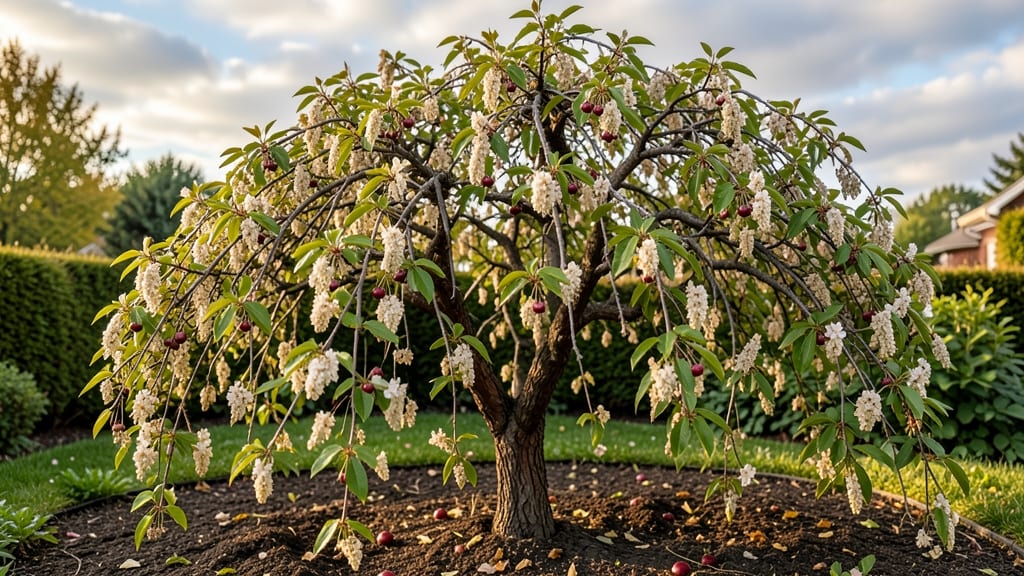
Canada Red cherry tree fruit reaches peak ripeness when fully red with a slight softness at the stem, typically between late June and early August depending on climate. Harvest when the fruit detaches easily from the tree with gentle pressure, ensuring vibrant color and sweet-tart flavor. Avoid overripe or cracked cherries for optimal taste and freshness.
Timing your harvest is everything when dealing with Canada Red cherries. 🍒 The fruit's sugar content peaks at this stage, delivering that signature sweet-tart balance that makes them so beloved. I've found that morning harvests yield the freshest fruit, as cooler temperatures help preserve their vibrant color and crisp texture.
What's more, the tree's location—whether in a cooler northern climate or a warmer southern region—can shift that window by up to two weeks.
Once picked, these cherries don't last long fresh, so plan to use or preserve them within 3-5 days. For long-term storage, freezing or making jams are excellent options. 💫 The key is acting quickly—cherries left on the tree past their prime lose both flavor and texture, becoming mealy and bland.
💡 In This Article
- Signs of Perfect Ripeness in Canada Red Cherries
- Step-by-Step Canada Red Cherry Harvesting Guide
Signs of perfect ripeness in Canada Red cherries
The vibrant red hue of Canada Red cherries isn't just visually stunning—it's a direct result of anthocyanin pigments that develop as the fruit matures. These pigments form in response to sunlight exposure, particularly in the final 2-3 weeks before harvest.
The deeper the red, the more concentrated these antioxidants become, which also correlates with the fruit's sweetness. 🌟 What's fascinating is how temperature affects this process: cooler nights (around 50-60°F) actually enhance anthocyanin production, while prolonged heat above 85°F can dull the color and accelerate sugar breakdown.
Beyond color, the sweet-tart flavor profile emerges when the fruit's sugar content reaches 12-15% of its total weight, a level that develops through photosynthesis as the tree converts sunlight into glucose.
The pH of the fruit also shifts slightly during ripening, moving from 3.8-4.0 (more acidic) to 3.5-3.7 (balanced), which enhances flavor complexity.
You can test this by gently squeezing the cherry—ripe ones will yield slightly to pressure at the stem but remain firm near the base, indicating the flesh is hydrated and flavorful.
Tree maturity plays a crucial role here. Younger trees may produce fruit that ripens 1-2 weeks earlier than established ones, while older trees often yield fruit with more concentrated flavors.
I've noticed that in my own orchard, 10-12 year old trees produce Canada Reds with the ideal balance of sweetness and acidity. The key is observing the tree's growth pattern—healthy branches with 1/2 inch diameter typically produce fruit that reaches peak ripeness consistently.
Environmental factors like rainfall also impact ripening. Too much moisture can dilute sugars and cause splitting, while drought stress might concentrate flavors but reduce yield. The perfect balance occurs with 1-1.5 inches of rain per week during the final growth stage.
This is why regional harvest windows vary—cooler climates like Ontario may see peak ripeness in early July, while warmer areas like southern Ontario might extend into early August. 💛
One often-overlooked indicator is the leaf beneath the fruit. Healthy leaves should be dark green and slightly waxy, not yellowing or spotted. If you see premature leaf drop, it's a sign the tree is stressed, which can affect fruit quality.
The stem should also be light brown and slightly woody—green stems indicate underripe cherries, while brown, dry stems suggest overripeness.
For the most accurate timing, I recommend using a refractometer to measure sugar content. Aim for a reading of 10-12° Brix—this confirms the perfect sweetness level.
The combination of visual cues (color, stem condition), tactile tests (gentle pressure), and scientific measurements (sugar content, pH) gives you the most reliable harvest window for Canada Red cherries.