
Trees
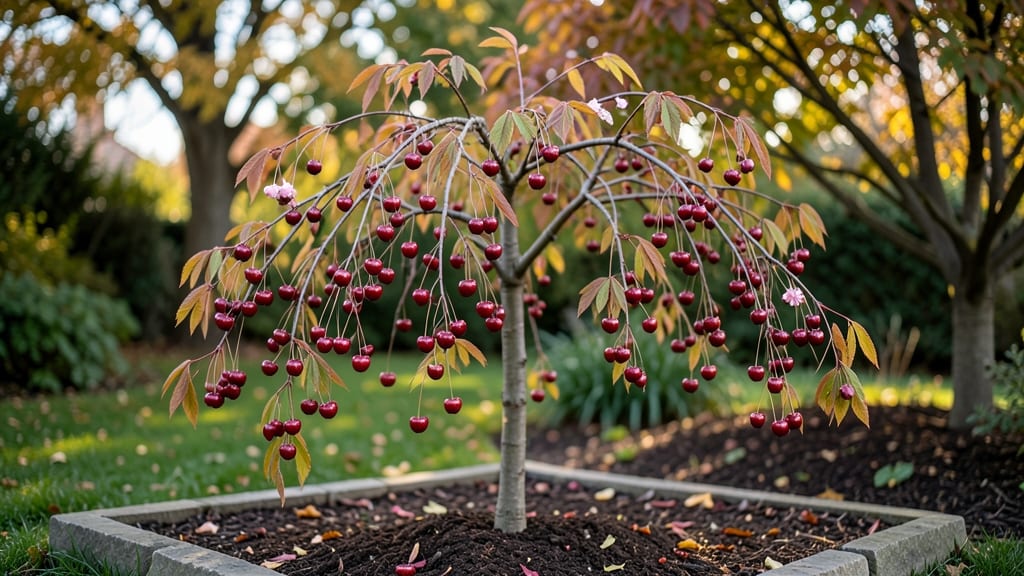
Autumn cherry tree fruit ripens in late summer to early fall, typically between August and October, turning deep red or purple when fully ready. Harvest by gently twisting branches to avoid damaging the tree, and pick only fully colored fruit for best flavor and storage life.
The timing of autumn cherry ripening varies slightly by region and tree variety, but the deep red or purple color is your clearest indicator of readiness. 🌿 These cherries develop their signature sweetness as they mature, with sugar content peaking just before full coloration.
In cooler climates, harvest may extend into November, while warmer zones often see fruit ready by early September. Once picked, proper handling—like storing in a single layer with good airflow—preserves their vibrant color and crisp texture for up to two weeks.
For optimal flavor, harvest on a dry morning when the fruit is cool. Use a small basket or cloth bag to avoid bruising, and always check for firmness—soft spots indicate overripeness.
The gentle twisting method prevents branch damage while ensuring clean separation from the stem. This careful approach maintains both the tree's health and your harvest's quality for future seasons.
💡 In This Article
- Identifying Ripeness in Autumn Cherry Fruit
- Step-by-Step Autumn Cherry Harvesting Techniques
Identifying ripeness in autumn cherry fruit
The ripening process in autumn cherries begins with a subtle shift in color—starting as pale green and gradually deepening to a vibrant crimson or purple hue.
This color transformation isn't just cosmetic; it signals a biochemical change where chlorophyll breaks down and anthocyanins (the pigments responsible for red/purple hues) develop. These pigments form as the fruit's sugar content rises, typically reaching its peak when the fruit is 70-80% colored.
The sugar concentration increases from around 6-8% in unripe fruit to 12-15% at full ripeness, which is why fully colored cherries taste noticeably sweeter.
Climate plays a critical role in ripening timing. In USDA Zone 5-6 (cooler regions), autumn cherries often ripen in late September to October, while in Zone 7-8 (warmer zones), they may be ready as early as mid-August.
Early-maturing varieties like 'Black Tartarian' typically ripen first, followed by 'Montmorency' and 'Balaton' varieties. The key is to monitor your specific tree's progress, as even within the same region, microclimates (like south-facing slopes) can accelerate ripening by 1-2 weeks. 🌿
Firmness is another critical indicator. A ripe autumn cherry should yield slightly when gently pressed but not feel mushy. Overripe fruit will have soft spots or wrinkled skin, which signals the fruit's cell structure has broken down.
The stem should also separate cleanly from the fruit when twisted—if it snaps off with resistance, the cherry isn't fully ripe. This separation is crucial because the stem's attachment point contains enzymes that continue breaking down fruit tissue even after harvest, accelerating spoilage.
Temperature fluctuations during ripening also impact flavor. Autumn cherries develop their best balance of sweetness and tartness when daytime temperatures hover around 75-85°F and nighttime temps drop to 55-65°F. Cooler nights help preserve acidity, while warm days accelerate sugar development.
In regions with sudden temperature swings, cherries may ripen unevenly, so frequent checks are essential. For example, a heatwave can cause fruit to ripen too quickly, resulting in a less complex flavor profile.
One common mistake is harvesting based solely on color without checking firmness. Some varieties, like 'Balaton,' may appear fully colored but still lack the ideal sugar concentration. To test, cut a cherry open—ripe fruit will have a juicy, translucent flesh, while underripe fruit will be pale and dry.
This simple test ensures you're picking cherries at their flavor peak. 💫
Finally, consider the tree's natural cycle. Autumn cherries often ripen in clusters, with fruit on the sun-exposed side of the tree maturing first. This uneven ripening is normal, but it means you may need to harvest in 2-3 passes, spacing them 3-5 days apart to avoid overloading the tree.
This staggered approach also prevents fruit from overripening on the branches while you wait for later batches.