
Container Gardens
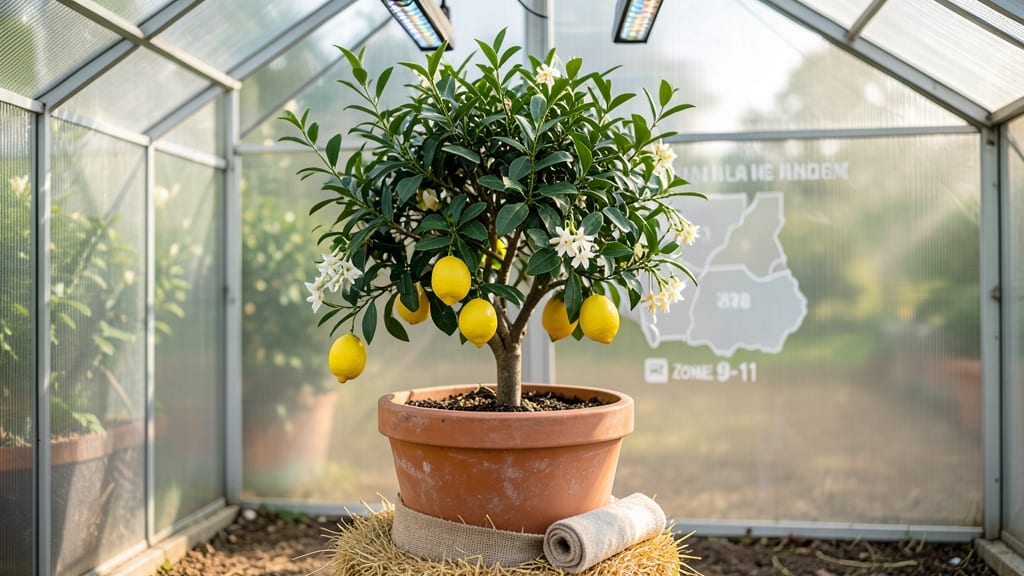
You can grow a lemon tree in Illinois by selecting cold-hardy varieties like dwarf Meyer lemons and using proper container cultivation techniques, since most citrus trees thrive in USDA Zones 9-12. These varieties can survive Illinois winters indoors or in protected outdoor spaces.
Illinois' climate presents unique challenges for citrus growers, but with the right approach, you can successfully cultivate lemon trees year-round. 🌱 The key lies in choosing varieties that tolerate cooler temperatures—like the cold-resistant 'Improved Meyer' or dwarf types—which can handle brief outdoor exposure in warmer microclimates.
For indoor growing, ensure your tree gets at least 6-8 hours of sunlight daily, either from a south-facing window or grow lights, while maintaining consistent temperatures above 45°F during winter months.
Container gardening is your best friend here, as it allows you to move plants indoors before the first frost. Use well-draining pots with saucers to prevent root rot, and fertilize regularly during the growing season. With proper care, you can enjoy fresh lemons even in Illinois' chilly winters!
💡 In This Article
- Best Lemon Tree Varieties for Illinois Climates
- Indoor vs Outdoor Lemon Tree Care in Illinois
Best lemon tree varieties for Illinois climates
Illinois gardeners should prioritize cold-hardy citrus varieties that can tolerate temperatures dropping below 20°F—the threshold where most traditional lemon trees (like Eureka or Lisbon) would suffer severe damage.
The Meyer lemon stands out as the best option, particularly the dwarf varieties, which can survive brief cold snaps down to 15°F when properly acclimated.
This variety's secret weapon is its genetic hybrid nature, combining lemon with mandarin, which gives it a slightly sweeter taste and greater cold tolerance compared to standard lemons.
For outdoor cultivation in Illinois' warmer microclimates (like Chicago's Zone 5b or southern Illinois' Zone 6a), consider the 'Improved Meyer' lemon—a hardier offspring of the original Meyer. This variety can handle 20-25°F temperatures for short periods, making it ideal for greenhouse or patio container growing.
The key difference between Meyer and Improved Meyer lies in their rootstock: Improved Meyer often uses trifoliate orange rootstock, which adds another 5-10°F of cold resistance while maintaining the same sweet-tart flavor profile.
If you're aiming for traditional lemons, the 'Four Seasons' lemon is worth exploring—it's one of the few varieties that can produce fruit in cooler climates, though it still requires winter protection.
For indoor growing, any dwarf variety (under 6 feet tall) will work, but the Meyer remains the top choice due to its compact size (6-10 feet at maturity) and reliable fruiting in container conditions. The trade-off?
Meyer lemons are slightly less acidic than Eureka or Lisbon varieties, but their cold tolerance makes them the practical Illinois favorite.
Here's what to consider when selecting your variety:
- Cold tolerance: Meyer lemons (especially Improved) handle 15-25°F better than standard lemons (20-30°F max)
- Growth habit: Dwarf varieties stay under 6 feet, ideal for containers and indoor spaces
- Fruiting reliability: Meyer produces fruit more consistently in containers than traditional lemons
- Flavor preference: Meyer is sweeter; traditional lemons are more tart and acidic
The science behind citrus cold tolerance involves a process called "acclimation hardening," where trees gradually adjust to cooler temperatures by increasing their natural antifreeze proteins.
This is why Illinois gardeners should avoid sudden temperature drops—gradual exposure (like moving plants to cooler outdoor spaces in late spring) helps build this natural protection. With proper variety selection and care, you can enjoy homegrown lemons even in Illinois' unpredictable climate! 🌟