
Flowers
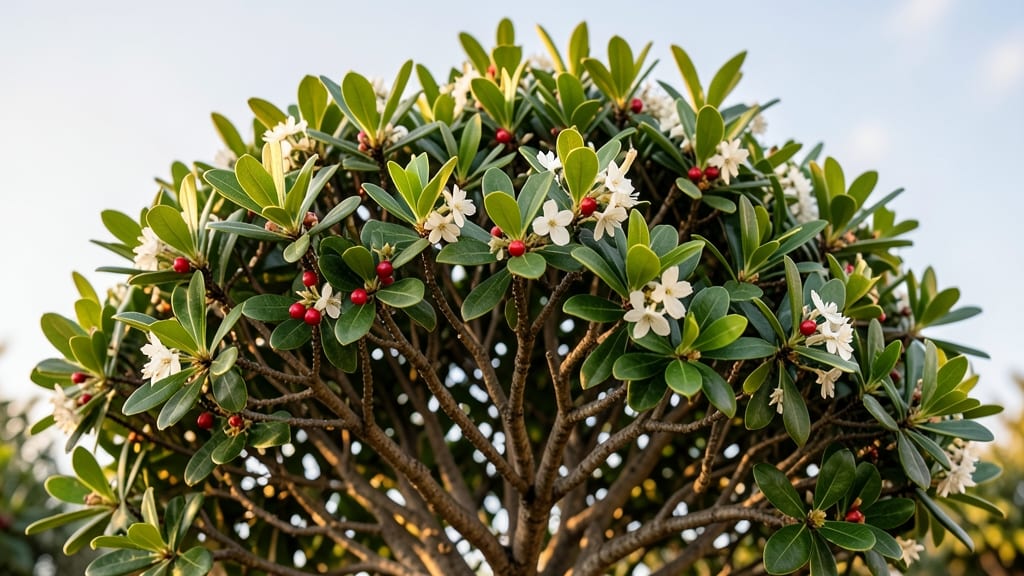
California’s diverse climate supports stunning white-blooming trees that transform landscapes into pollinator paradises. These 10 native and drought-tolerant varieties offer year-round beauty, fragrance, and ecological benefits for gardens and urban spaces.
California Sycamore with Snowy Bark
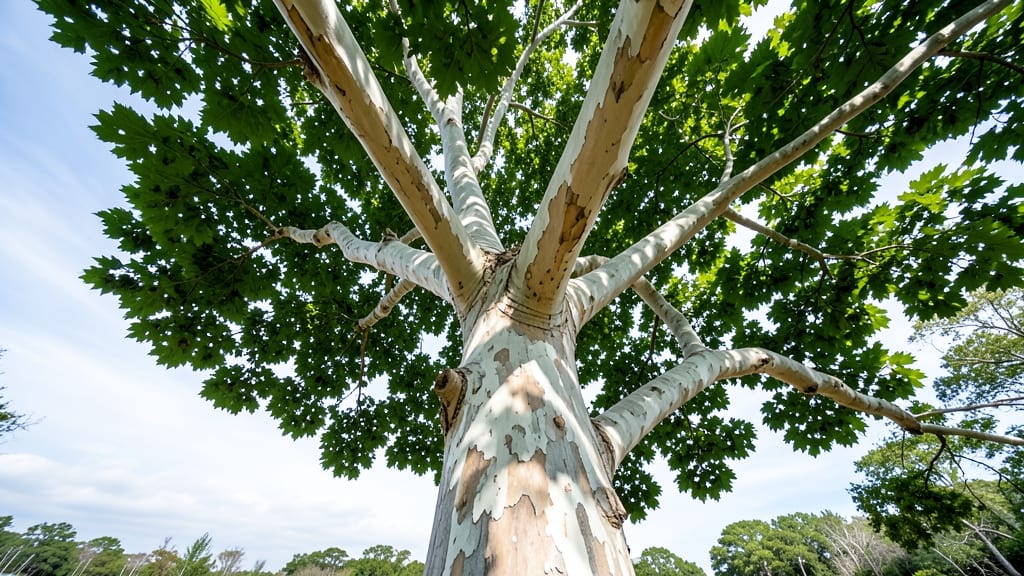
Imagine a tree that looks like it’s dressed in winter’s finest even in summer—California sycamore (Platanus racemosa) delivers with its signature snowy, peeling bark that creates a striking visual contrast against its lush green canopy.
This riparian specialist thrives near streams and ponds but adapts to urban landscapes with consistent moisture. Its delicate white flowers bloom in spring, creating a soft, airy display that attracts bees and butterflies. For pollinator gardens, its shade-providing branches offer a cool retreat while supporting local ecosystems.
Perfect for gardeners who want dramatic texture and ecological value, this tree is ideal for larger properties or public spaces where its mature size (50-80 feet) can shine. 🌟
Pacific Dogwood for Fragrant Spring Blooms
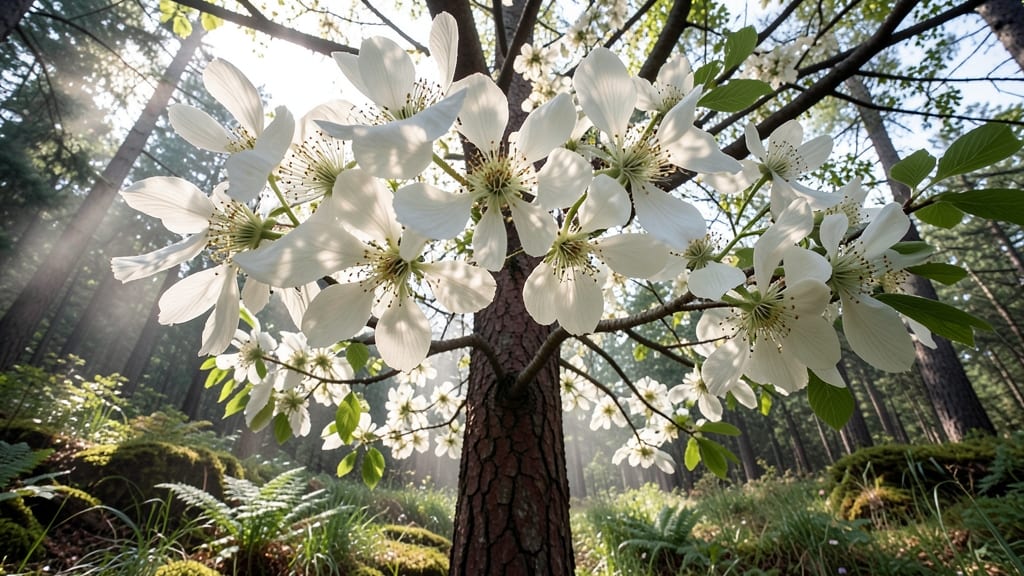
If you're dreaming of a woodland garden that bursts into life each spring, the Pacific Dogwood (Cornus nuttallii) delivers a showstopping display with its showy white bracts and delicate clusters of tiny flowers. This native California tree isn’t just beautiful—it’s a magnet for early-season bees, helping kickstart your garden’s pollinator activity.
Thriving in partial shade to full sun, Pacific Dogwoods prefer moist, well-draining soil and grow best in USDA zones 6-9. Their fragrant blooms appear in late spring, often before the leaves fully emerge, creating a stunning contrast. While they’re not drought-proof, they tolerate occasional dry spells once established. For best results, plant them where their dramatic flowers can be seen from a distance, like near patios or along garden pathways.
Perfect for gardeners who love native plants and want to support local ecosystems, this tree also provides year-round interest with its glossy leaves and striking bark. 🌿
Desert Willow with Drought-Resistant Flowers
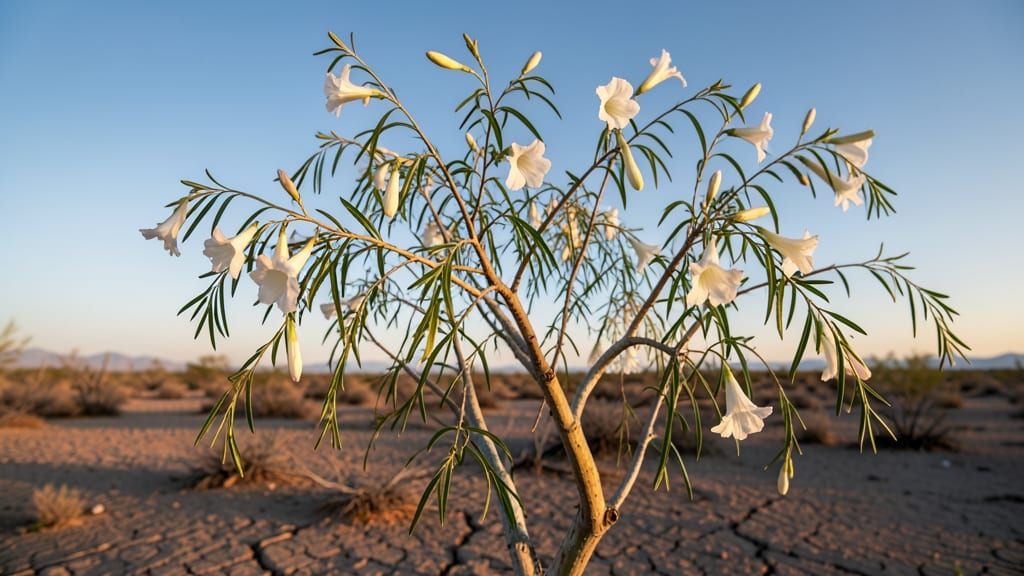
If you're dreaming of a low-water garden that still bursts with color, the desert willow (Chilopsis linearis) delivers fragrant white blooms from spring through fall without guzzling resources. Unlike its namesake, this drought-tolerant beauty thrives in arid conditions where most plants wilt—making it a hero for Southern California landscapes.
Native to desert regions, this small tree or shrub produces cascading white trumpet-shaped flowers that attract hummingbirds, bees, and butterflies. It handles full sun exposure and requires minimal water once established—ideal for water-wise gardens. Prune lightly after flowering to maintain shape, and watch it reward you with season-long blooms even in dry spells.
Perfect for pollinator gardens, urban courtyards, or as a focal point in xeric landscapes, the desert willow proves beauty and sustainability go hand in hand. 🌻
Toyon Holly for Winter Interest
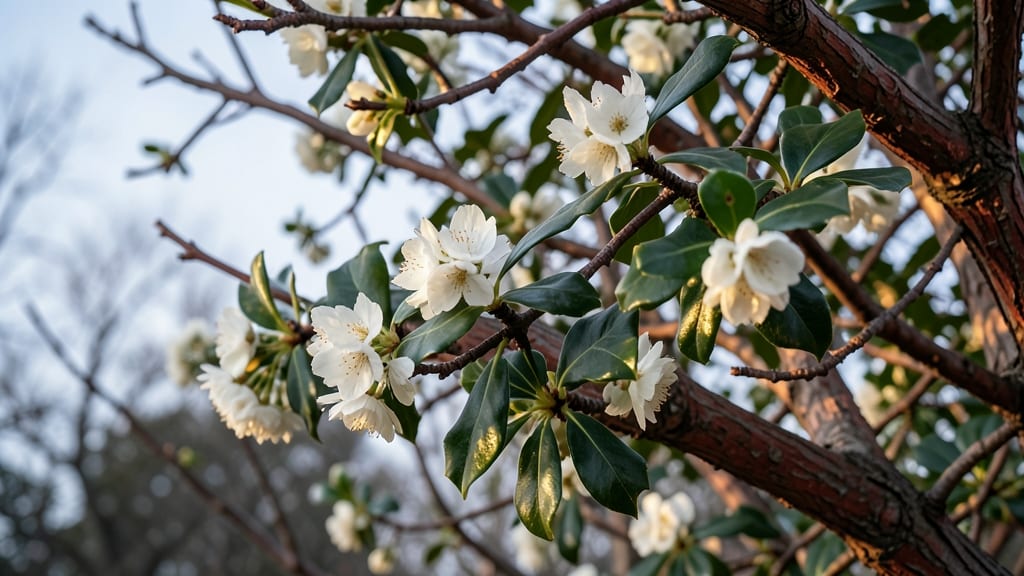
When most gardens go dormant in winter, toyon holly (Heteromeles arbutifolia) bursts into action with clusters of fragrant white flowers that catch the eye and attract late-season pollinators. This native California shrub or small tree offers a rare treat: year-round interest that keeps your landscape vibrant even when other plants are resting.
Toyon holly thrives in full sun to partial shade and handles California's dry summers with ease once established. The late fall flowers give way to bright red berries that persist through winter, providing food for birds and adding a pop of color. Prune lightly after flowering to maintain shape, but avoid heavy cuts that remove next year's blooms.
Ideal for urban gardens, coastal landscapes, or mixed borders, this plant offers low-maintenance beauty that supports wildlife while requiring minimal care. Perfect for gardeners who want structure and color without the fuss of seasonal replacements. 🌟
California Lilac with Fragrant Clusters
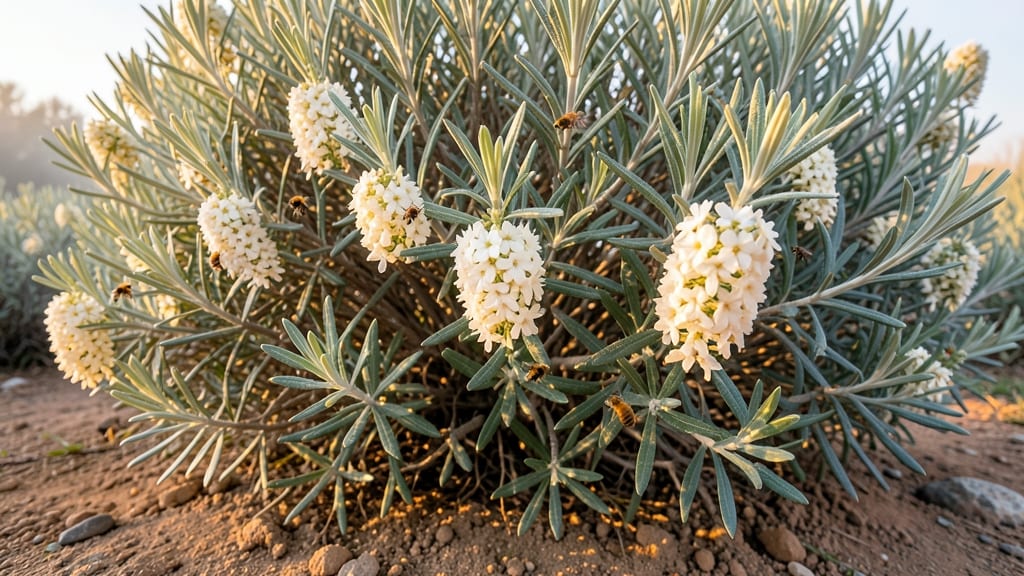
Skip the classic lilac and bring home the California Lilac (Ceanothus), a native powerhouse with fragrant white flower clusters that hum with pollinators. Unlike its Eastern cousin, this drought-tolerant shrub thrives in both coastal fog and inland heat, making it a versatile choice for nearly any California garden.
Plant in full sun to partial shade with well-draining soil, and watch it reward you with spring and summer blooms that attract bees and butterflies. Prune lightly after flowering to maintain shape, and enjoy its sweet, honey-like scent that fills the air—ideal for borders, hedges, or as a focal point in pollinator gardens.
Perfect for urban gardeners and coastal homeowners, this low-maintenance shrub adds texture and fragrance without the fuss of traditional lilacs. 🌿
Bigleaf Maple for Shade and Spring Color
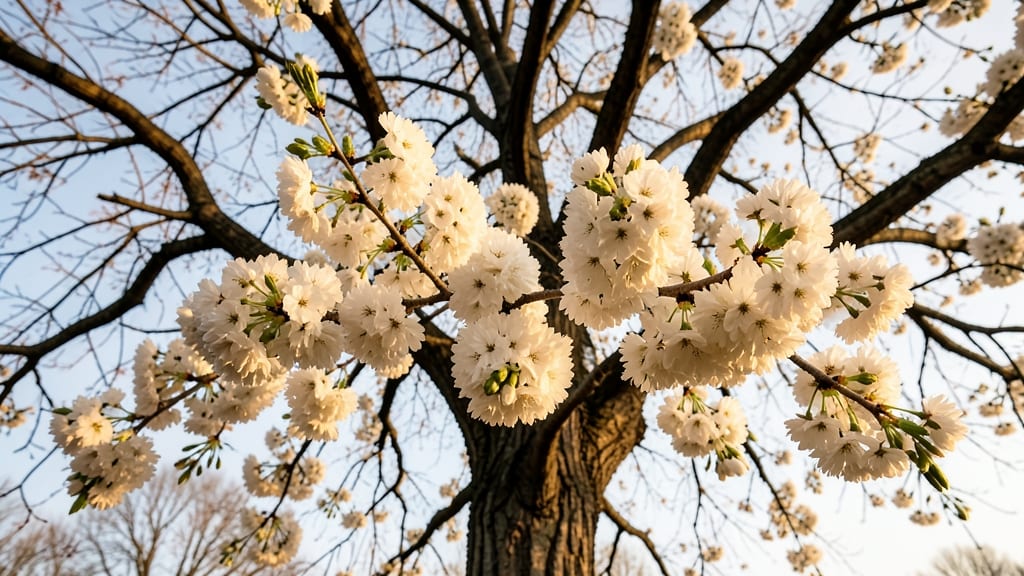
If you're craving a dramatic spring show that doubles as a shade provider, the bigleaf maple (Acer macrophyllum) delivers with its striking white flower clusters that appear before the leaves even emerge. This early bloom creates a breathtaking contrast against bare branches, turning urban parks and backyards into pollinator hotspots.
Native to California’s coastal and mountain regions, this tree thrives in moist, well-drained soil and partial shade, making it ideal for understory planting or as a focal point in landscaped areas. Its fast growth (up to 2 feet per year) quickly establishes a dense canopy, while its lobed leaves add seasonal interest from spring through fall. Bees and butterflies flock to its flowers, and the tree’s moderate drought tolerance once established makes it a low-maintenance choice.
Perfect for city planners and homeowners seeking year-round structure with minimal upkeep, the bigleaf maple’s early bloom and shade benefits make it a standout for urban forests and pollinator gardens alike. 🌟
Canyon Live Oak with Long-Lasting Blooms
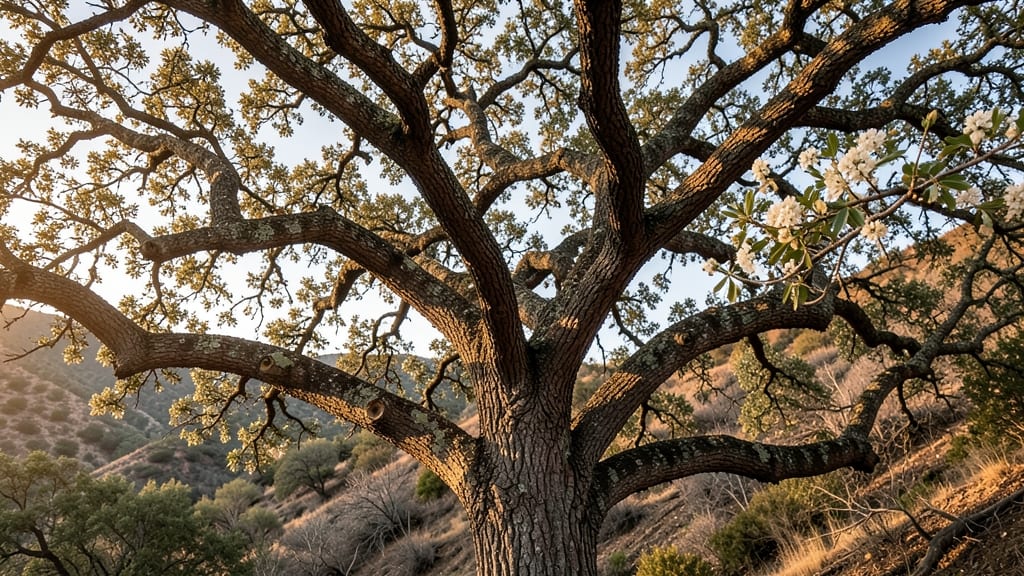
Looking for a long-term investment in your garden that thrives in dry climates? The Canyon Live Oak delivers both beauty and ecological value with its slow-growing nature and spring white blooms that feed caterpillars and sustain pollinators.
This hardy oak produces fragrant white flowers in early spring, followed by acorns that support birds and small mammals year-round. Unlike fast-growing trees, it develops deep roots that improve soil health while requiring minimal water once established. Ideal for sunny, well-drained sites, it tolerates poor soil and drought once mature.
Perfect for landscapers, wildlife enthusiasts, and long-term gardeners, this oak offers shade and habitat for generations—making it a true ecological anchor for California gardens. 🌱
Manzanita with Fragrant White Bells
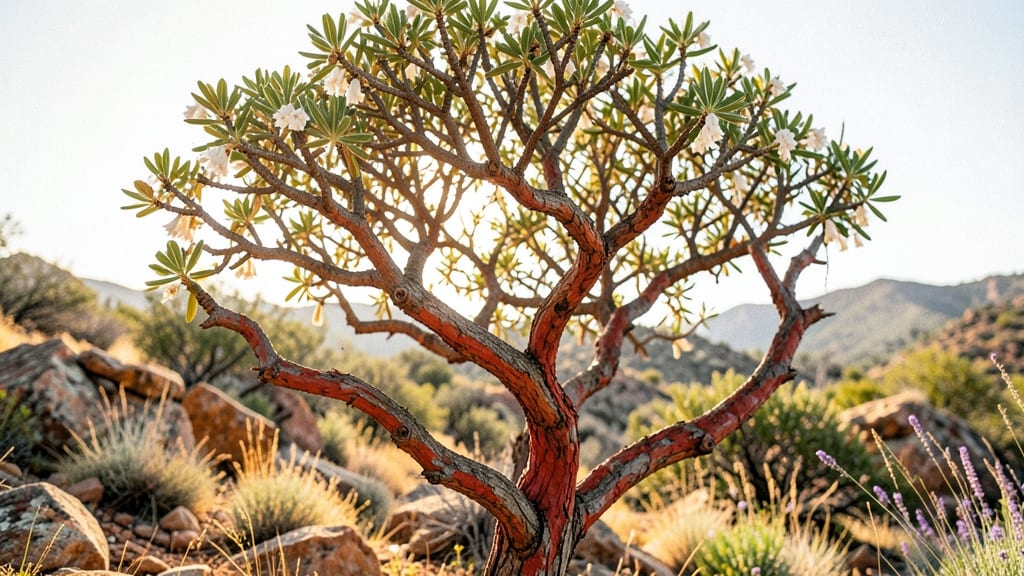
Looking for a drought-tolerant star that thrives in California’s rugged chaparral landscapes? Manzanita delivers with its delicate white bell-shaped flowers and striking red bark, creating a focal point that’s both fragrant and pollinator-friendly.
This versatile shrub or small tree (6–12 feet tall) blooms in late winter to early spring, attracting native bees and hummingbirds while requiring minimal water once established. Its peeling bark adds texture, and mature plants develop a rounded, sculptural form perfect for slopes or as a specimen plant. Plant in full sun with well-draining soil to replicate its natural chaparral habitat.
Ideal for low-maintenance gardens and fire-prone areas, manzanita’s resilience makes it a top choice for gardeners seeking native beauty with minimal fuss. 🌿
Western Redbud for Early Season Color
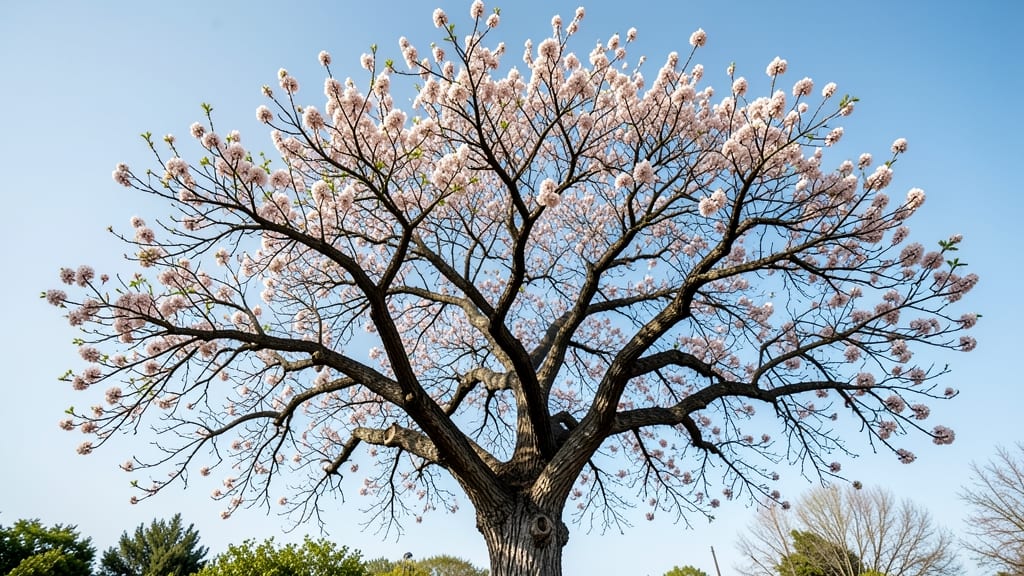
Brighten your garden before other trees even think about blooming with the Western Redbud (Cercis occidentalis), a native California beauty that bursts into color in late winter or early spring. Its delicate clusters of white-pink flowers appear on bare branches, creating a stunning contrast against the heart-shaped leaves that emerge shortly after.
This small, multi-stemmed tree thrives in well-draining soil and full sun to partial shade, making it ideal for urban gardens, medians, or as a focal point in pollinator-friendly landscapes. It’s also remarkably low-maintenance—just prune lightly to shape and remove dead branches. The flowers attract bees and other pollinators early in the season, giving your garden a head start on supporting local wildlife.
Perfect for gardeners with limited space or those who want to add a splash of early color, the Western Redbud is a drought-tolerant choice that rewards patience with years of cheerful blooms. 🌷
Coffeeberry for Pollinators and Wildlife

Looking for a low-maintenance evergreen that doubles as a pollinator magnet? The coffeeberry shrub (Frangula californica) delivers white spring blooms followed by clusters of tiny red berries that feed birds year-round—making it a wildlife superstar.
This compact native shrub thrives in full sun to partial shade and handles dry conditions once established, perfect for hedgerows or native plant gardens. Prune lightly after flowering to maintain shape, and watch hummingbirds, bees, and finches flock to its berries. Its glossy leaves add texture even when not in bloom.
Ideal for gardeners who want year-round interest without high upkeep, coffeeberry works beautifully in coastal scrub, chaparral, or urban wildlife gardens. 🌟