
Pruning
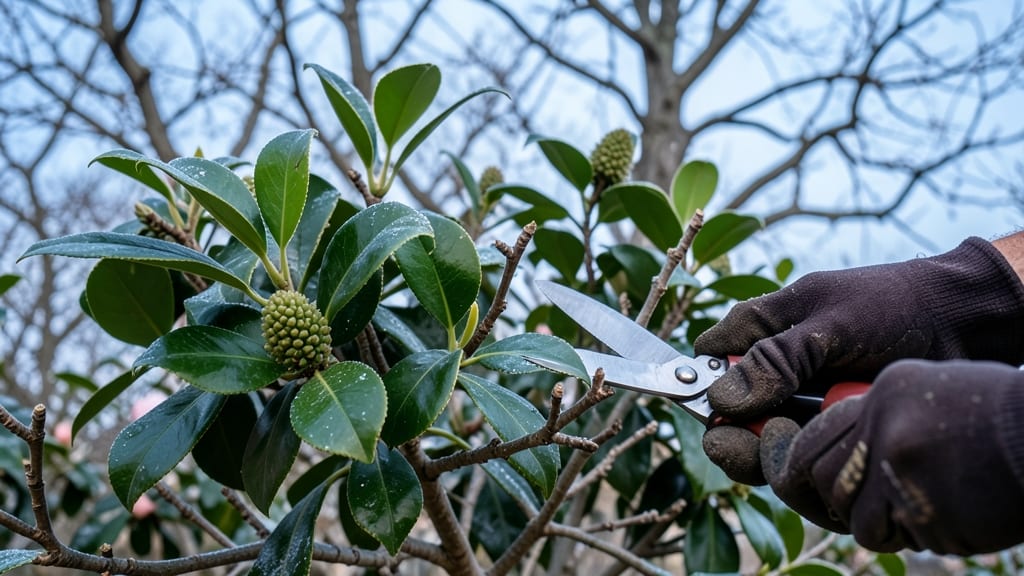
Healthy broadleaf trees and shrubs require strategic pruning year-round. This calendar breaks down the best trimming practices for each season to promote vibrant growth, disease resistance, and stunning foliage.
Early Spring Flowering Shrub Pruning
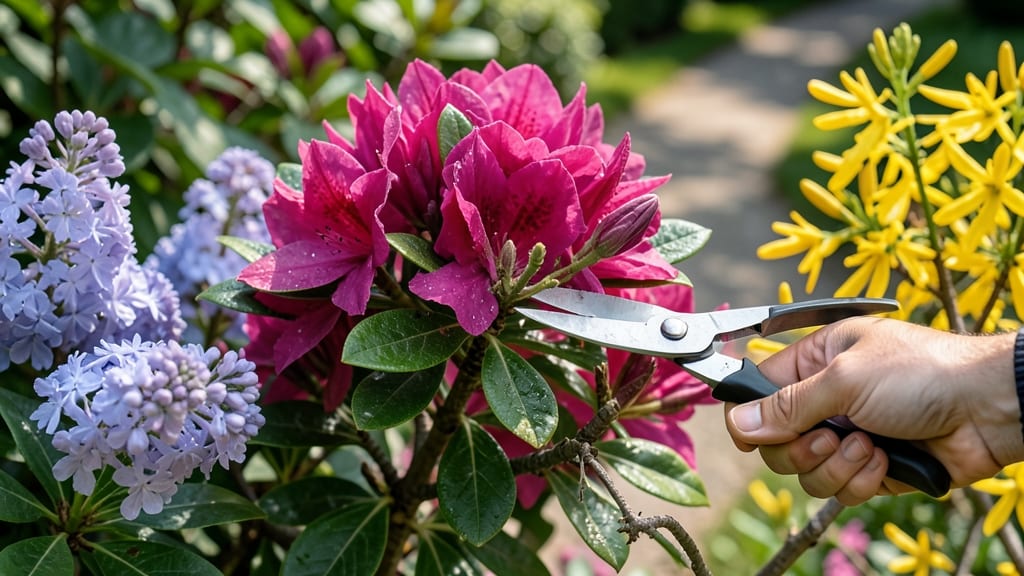
Spring’s blooms are fleeting—but the mistake many gardeners make is pruning too early. For azaleas, lilacs, and forsythia, waiting until after flowering ensures next year’s buds form properly while giving you a head start on shaping your shrubs for summer.
Use clean, sharp shears to trim back last year’s dead wood and thin out crowded branches by about one-third. Avoid cutting into old wood where new blooms form—this is where next season’s flowers will emerge. For a fuller look, prune outer stems to encourage bushier growth, but never remove more than 25% of the shrub at once.
This timing is perfect for urban gardeners with limited space or anyone who wants to maintain blooms without sacrificing structure. A little post-flowering care now means longer-lasting shrubs and fewer headaches later. ✨
Late Winter Dormant Season Tree Pruning
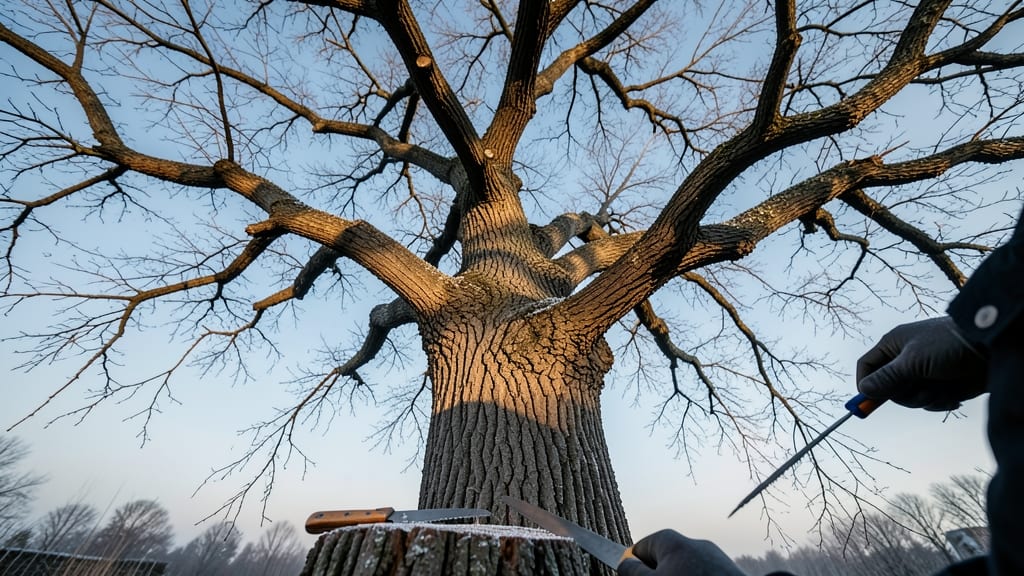
When your maples and oaks stand bare against winter’s sky, you’ve got a rare opportunity: the perfect time to prune. Late winter’s dormant season reveals hidden issues—dead branches, crossing limbs, and structural flaws—while the tree conserves energy, making cuts less stressful.
Focus on removing deadwood and diseased branches first, then shape the canopy by thinning out crowded areas. Use clean, sharp tools to make cuts just outside the branch collar, avoiding the bark ridge where infections often start. For large branches, prune in stages over two to three years to prevent stress. This is also the ideal time to address storm damage from the previous season.
This method is especially valuable for urban gardeners or those with mature trees, as it promotes long-term health and safety. With minimal foliage to obscure your view, you’ll achieve a cleaner, more balanced tree structure. 💡
Summer Light Pruning for Leafy Growth
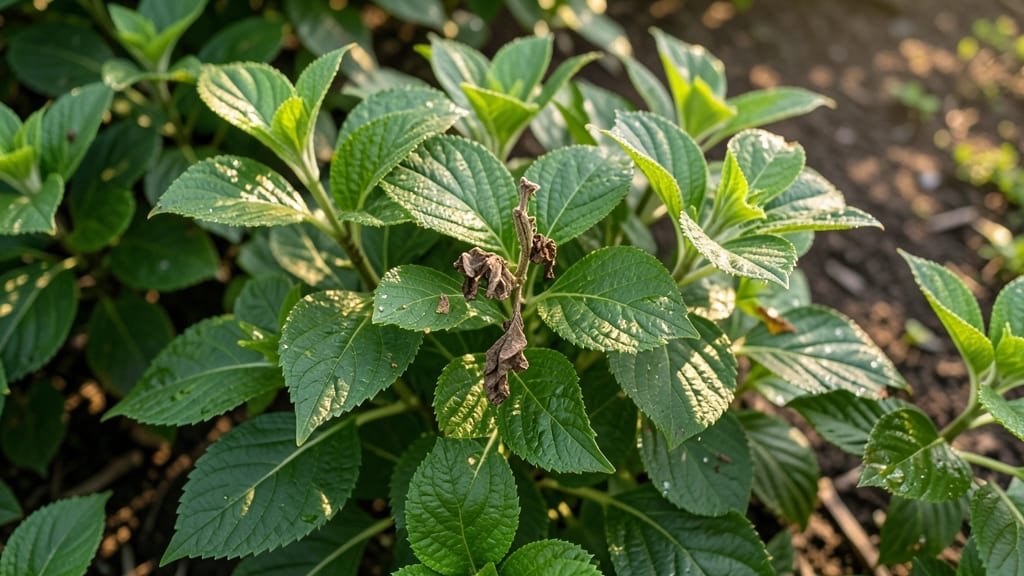
Summer isn’t the time for heavy pruning—think of it as a gentle tune-up for your leafy broadleaf shrubs instead. Unlike winter’s structural work, summer’s goal is to preserve the photosynthesis powerhouse your foliage provides, while removing only what’s truly necessary.
Focus on diseased branches first—they sap energy and spread problems. Then target overgrown or crossing branches that block sunlight or air flow. Use sharp shears to make clean cuts just above a leaf node, and avoid removing more than 10-20% of the plant’s foliage at once. This minimal approach keeps your shrubs lush and productive during peak growing season.
This method is perfect for gardeners who want year-round greenery without the stress of dramatic pruning. Just a few strategic cuts now means denser foliage and fewer surprises later. 🌿
Fall Cleanup Pruning for Disease Prevention
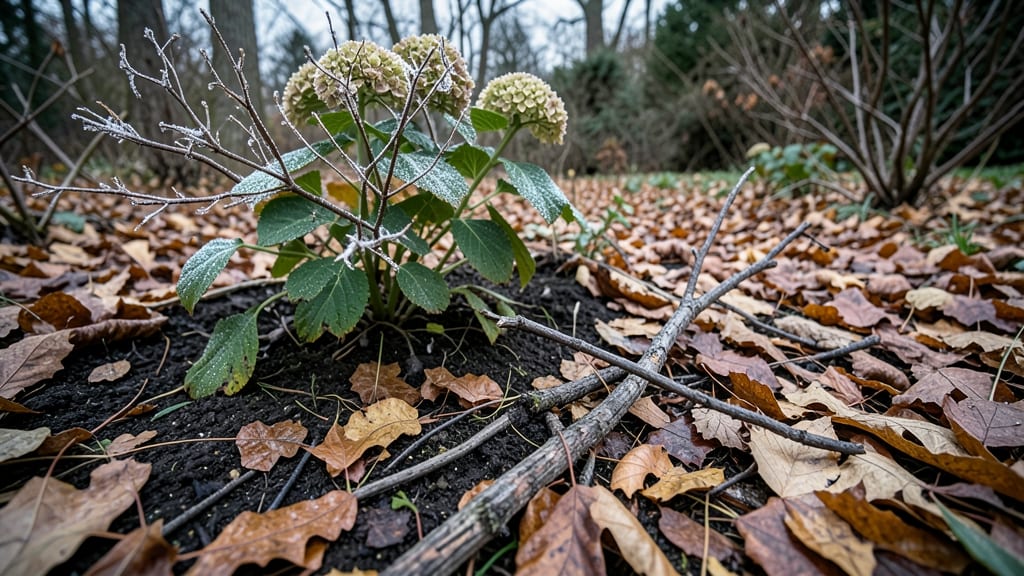
Fallen leaves and dead branches aren’t just eyesores—they’re fungal magnets. Powdery mildew and other diseases thrive in the damp, decaying debris left behind after autumn’s color show. By removing these hazards now, you’re giving shrubs like hydrangeas a fighting chance to enter winter dormancy strong and healthy.
Start by clearing all leaf litter from around your broadleaf shrubs and trees, using a rake or leaf blower to prevent compaction. Next, prune away any dead, diseased, or crossing branches—cut back to a healthy bud or branch collar. For shrubs like hydrangeas, trim back overgrown stems by about one-third to improve airflow and reduce winter stress. Always sterilize your tools with rubbing alcohol between cuts to avoid spreading pathogens.
This fall cleanup isn’t just about aesthetics—it’s your best defense against winter woes. Urban gardeners with limited space will especially appreciate how this simple step keeps their shrubs thriving next spring. 🌿
Renewal Pruning for Overgrown Shrubs
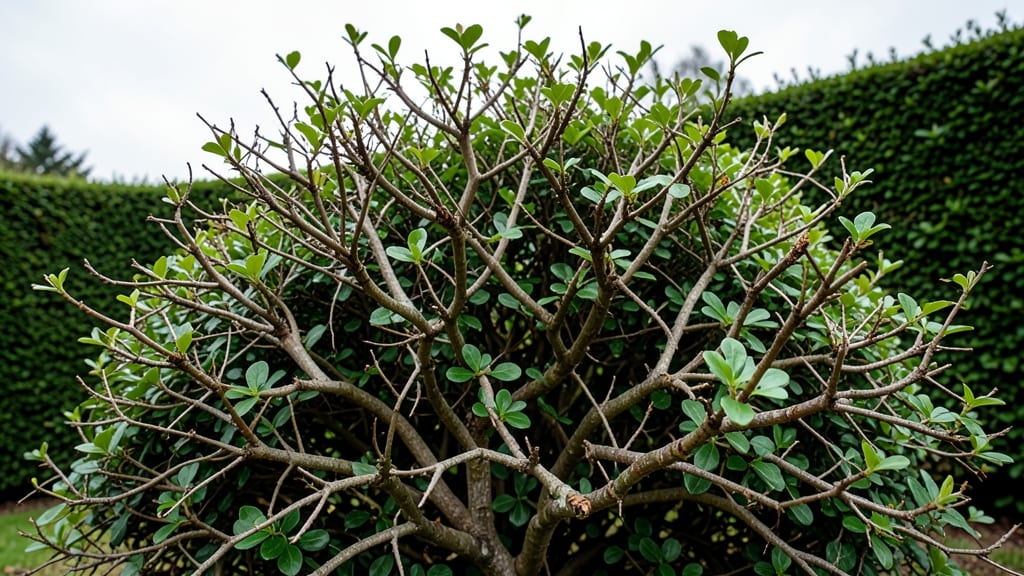
When your boxwoods or other broadleaf shrubs look more like tangled messes than manicured beauties, it’s time for a bold move: renewal pruning. This isn’t your average trim—it’s a full-scale rejuvenation that cuts back overgrowth by up to ⅓ to spark fresh, dense growth and restore that polished look.
Timing is everything here: tackle this task in late winter or early spring before new growth begins. Use sharp shears to make clean cuts just above a leaf bud or lateral branch, and avoid the temptation to shape immediately—let the shrub regenerate its natural form first. This method works wonders for shrubs like hydrangeas, privet, and forsythia, breathing new life into what once seemed hopeless.
Perfect for gardeners who’ve inherited a neglected landscape or simply want to refresh tired shrubs, renewal pruning is your secret weapon for a year-round transformation. Just be patient—your shrubs will reward you with lush, vibrant foliage in no time. ✨
Shape-Enhancing Pruning for Formal Gardens
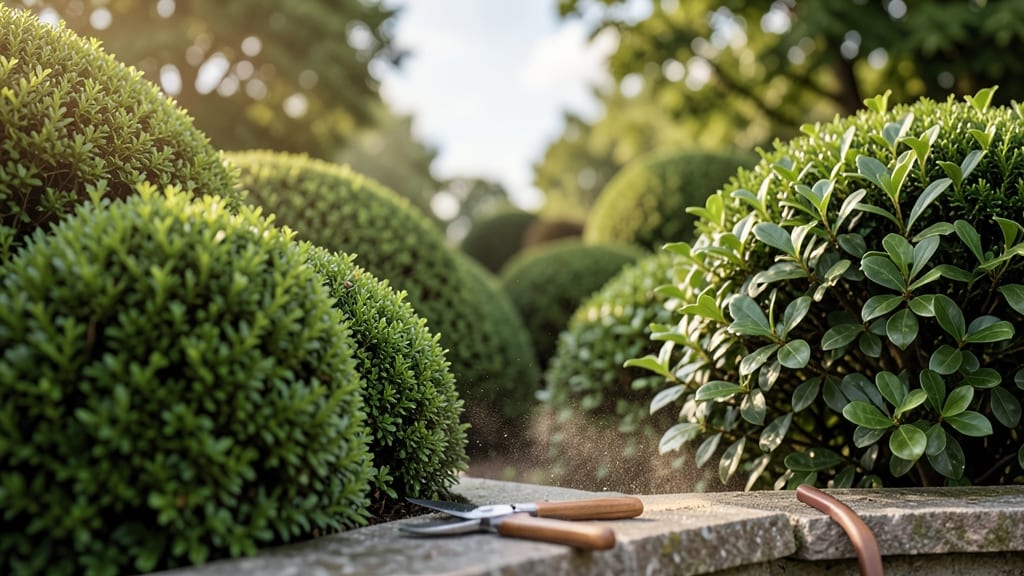
Transform your garden into a living work of art with shape-enhancing pruning, the secret to maintaining those stunning topiary shapes and manicured shrubs that define formal landscapes. Unlike seasonal cleanups, this technique focuses on gradual shaping throughout the growing season to preserve geometric forms while promoting lush, even growth.
Start by outlining your desired shape with light trims every 4-6 weeks during the growing season, using sharp shears to make clean cuts just above leaf nodes. For boxwoods, yews, and privet, focus on pruning the outer edges first, then gradually work inward to maintain density. Always prune in the morning to allow wounds to heal by evening, and avoid cutting more than one-third of the plant’s foliage in a single session to prevent stress.
This method is ideal for gardeners who love structured designs—whether you're crafting a classic hedge maze or sculpting a single statement shrub. The key is patience; consistent, light pruning yields denser growth and sharper lines than occasional heavy cuts. 🌻
Deadheading for Continuous Flowering Shrubs
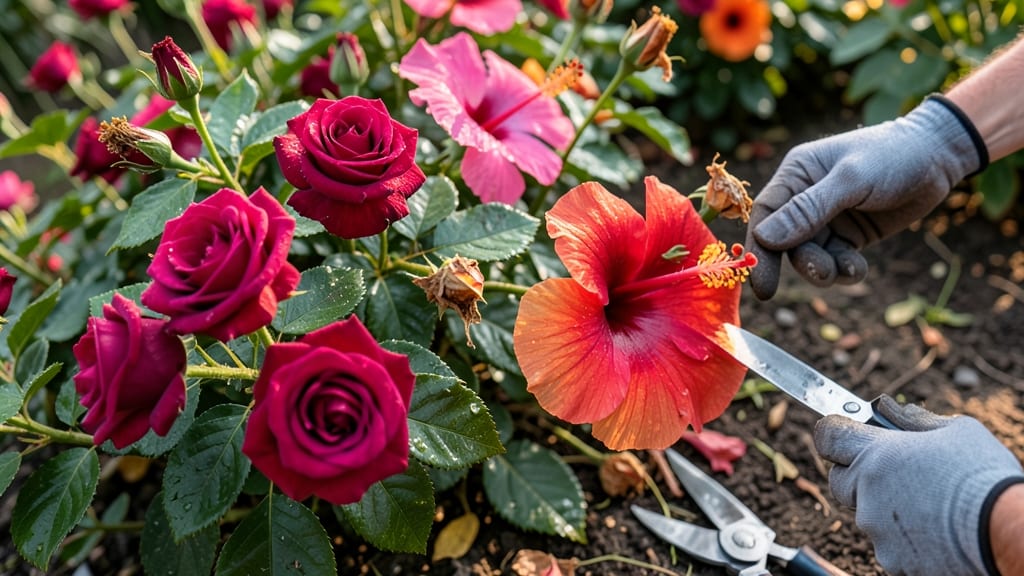
Want your roses and hibiscus to bloom nonstop? Deadheading—removing spent flowers—is the secret to extending their flowering season by redirecting energy into fresh buds. This simple technique works for both perennial and tropical shrubs, turning a single burst of color into months of vibrant displays.
Use clean, sharp pruners to snip just above a leaf node or bud, avoiding any lingering seed pods. For continuous bloomers like knockout roses, deadhead weekly during peak bloom, while hibiscus may need monthly attention. The key is consistency—this small effort prevents energy waste on seed production, keeping your shrubs focused on producing more flowers instead.
Perfect for urban gardeners with limited space or anyone eager to maximize their shrubs' potential, deadheading is a low-effort way to transform your garden into a year-round floral show. 🌻
Root Pruning for Transplanting Broadleaf Trees
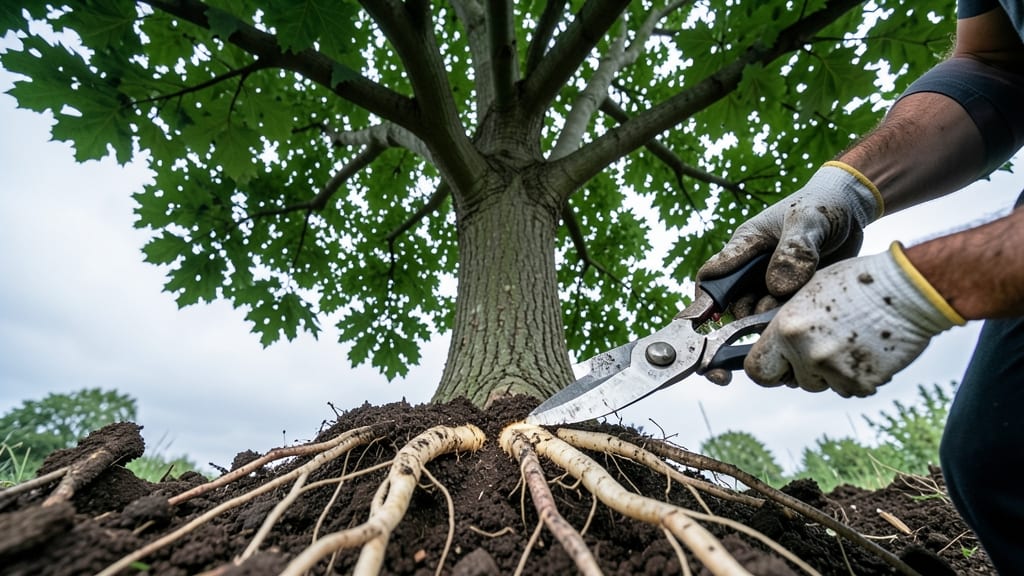
Moving a mature broadleaf tree can feel like a gamble—will it survive the transplant shock? The secret lies in root pruning before digging, a technique that reduces stress and boosts survival rates by up to 70%. Unlike pruning branches, root pruning involves carefully trimming roots in a circular pattern around the tree’s drip line.
Start by mapping the root system and pruning 12-18 inches from the trunk, using a sharp spade or saw. Focus on larger roots (over ½-inch thick) to minimize damage while encouraging new feeder roots to grow toward the outer edges of the new planting hole. Water deeply after pruning to help the tree recover, and avoid transplanting during extreme heat or cold. This method works best for trees like maples, oaks, and dogwoods.
Root pruning is a game-changer for landscape professionals and DIY gardeners relocating trees—it’s the difference between a struggling transplant and a thriving one. 🌟
Thinning Pruning for Air Circulation
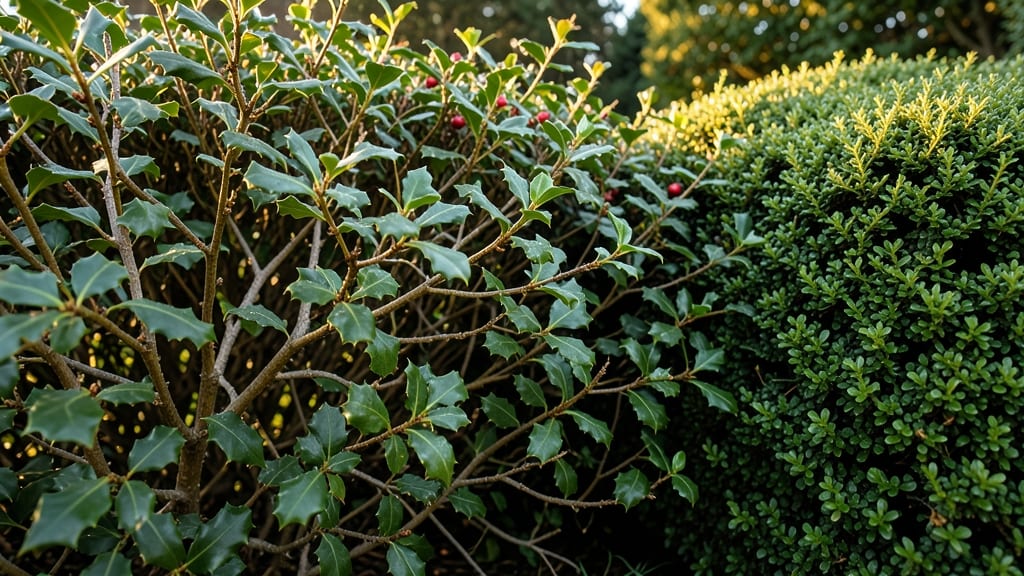
Struggling with dense, impenetrable shrubs like holly or boxwood? Thinning pruning is your secret weapon for transforming crowded thickets into healthy, airy plants that resist pests and diseases.
This technique focuses on removing select inner branches—never the outer foliage—to create space between stems. Aim for a 30-50% reduction in density, targeting branches that cross or rub against others. The goal is to let sunlight and air circulate freely, which naturally deters fungal infections and insect infestations. For evergreens like holly, thin in late winter or early spring before new growth begins.
This method is perfect for gardeners with mature shrubs that have become too thick over time. It’s less about shaping and more about revitalizing your plants for long-term health. 🌿
Winter Protection Pruning for Tender Shrubs

Cold snaps can devastate tender shrubs like camellias and gardenias, but a little winter prep ensures they bounce back stronger than ever. Unlike dormant-season pruning, this technique focuses on sheltering delicate growth while shaping for spring.
Start by lightly trimming any damaged or crossing branches—never cut more than 20% of the plant. Wrap young, flexible stems with burlap or frost cloth to create a protective microclimate, and mound mulch around the base (but avoid touching stems). This dual approach shields against frost while maintaining the shrub’s natural form for an instant spring-ready silhouette.
Perfect for urban gardeners with limited space or anyone growing heat-sensitive shrubs, this method turns winter into a prep season rather than a worry. Your plants will reward you with lush regrowth come spring! 🌷