
Lawn
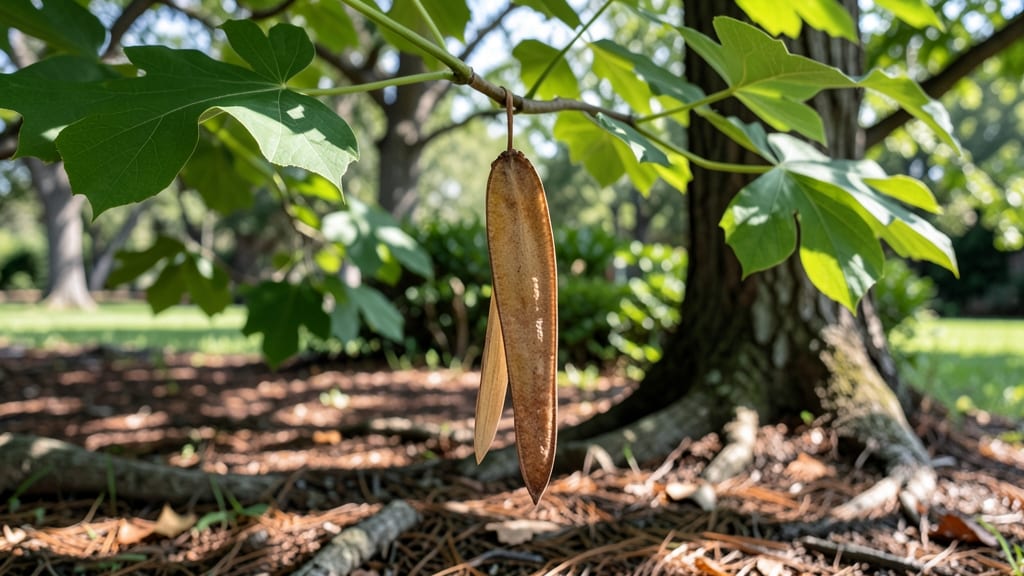
Harvesting tulip tree seed pods in late fall gives you a head start on growing these fast-growing shade trees. 🌳 The key is timing—wait until the pods turn brown and start splitting open, usually around October or November, before the seeds scatter.
I’ve collected hundreds of these pods over the years, and the ones I planted right after harvest always germinate faster than those left too long.
Once you’ve gathered the pods, crack them open to reveal the flat, winged seeds inside. These seeds need stratification—a cold period—to break dormancy, so I store them in a damp paper towel inside a sealed bag in the fridge for 3-4 months.
This mimics winter conditions and ensures better germination rates when you finally plant them in spring.
When you’re ready to sow, scatter the seeds on well-drained soil in a sunny spot or a seed tray. Press them lightly into the soil—no need to bury them deeply—and keep the soil consistently moist.
Within 2-4 weeks, you’ll see tiny sprouts pushing through, and by summer, you’ll have sturdy seedlings ready to transplant.
Watch out for squirrels and birds—they love these seeds too! If you’re planting in the ground, consider using a wire mesh to protect young seedlings until they’re established.
With the right care, your tulip tree seedlings can grow 3-5 feet per year, making them one of the fastest-growing native trees.
📚 In This Guide
- What you need
- Instructions
- Tips and common mistakes
- Wrapping up and next steps
What you need
- ● Mature tulip tree seed pods – Collect 5–10 fully ripe, brown pods (they’ll split open naturally when mature).
- ● Pruning shears or sharp scissors – For harvesting pods from high branches (extendable handles help!).
- ○ Gloves (optional but recommended) – Protect your hands from sticky sap and sharp pod edges.
- ● Paper bags or breathable containers – To store pods while they dry (avoid plastic—it traps moisture!).
- ● Planting trays or small pots – 4–6 inch deep containers with drainage holes (1–2 trays for 5–10 pods).
- ● Well-draining potting mix – A blend of peat, perlite, and compost (or store-bought seed-starting mix).
- ● Spray bottle with water – For gentle moisture control during germination.
- ○ Plastic wrap or humidity dome – To create a mini greenhouse effect (optional but speeds up germination).
- ● Labeling tags – To track planting dates and germination progress.
- ● Heat mat or warm location – Tulip tree seeds germinate faster in warmth (70–80°F ideal).
- ● Fertilizer (low-nitrogen) – A diluted 5-5-5 mix after sprouts emerge (use sparingly!).
- ● Outdoor hardening-off setup – A shaded, sheltered spot for young seedlings before transplanting.
Step-by-Step guide to harvesting and planting tulip tree seed pods
Here's how to collect and plant these giant seed pods for quick, successful germination.
🌿 Step 1: Harvest Mature Seed Pods at the Right Time
Tulip tree seed pods (Liriodendron tulipifera) ripen in late fall, usually between October and November when they turn from green to brown. The pods are large—often 6-12 inches long—and split open when fully mature, revealing winged seeds. Harvest them when they're dry and brown but before they split open on the tree.
Use pruning shears or a sharp knife to cut the pods from the tree, leaving a small stem attached. Avoid harvesting damaged or moldy pods—they won’t germinate well. Place the pods in a paper bag (not plastic) to allow air circulation and prevent moisture buildup, which can cause rot.
🪴 Step 2: Extract and Clean the Seeds
Once you’re indoors, gently open the seed pods by hand or with a small knife. The seeds inside have papery wings that help them float in the wind. Remove any debris, damaged seeds, or empty seed cases. Healthy seeds feel firm and plump, not shriveled or hollow.
To speed up germination, stratify the seeds—a cold treatment that mimics winter conditions. Place the cleaned seeds in a paper towel or damp sand inside a sealed plastic bag. Store them in the refrigerator for 60-90 days at 35-40°F. Check them monthly to ensure they’re not drying out or moldy.
⏰ Step 3: Plant Stratified Seeds in a Prepared Growing Medium
After stratification, fill 4-inch pots with a well-draining mix (equal parts potting soil and perlite or sand). Plant the seeds ½ inch deep, spacing them 1 inch apart in the pot. Water lightly until the soil is evenly moist but not soggy—overwatering can cause rot.
Place the pots in a bright, indirect light spot (like a north-facing window) and maintain 60-70°F temperatures. Germination can take 30-90 days, so be patient. Keep the soil consistently moist but never waterlogged—use a spray bottle to mist the surface if needed.
☀️ Step 4: Transplant Seedlings Outdoors After Hardening Off
Once seedlings reach 4-6 inches tall and have 3-4 true leaves, they’re ready for outdoor planting. Harden them off by placing them outside in partial shade for 1-2 hours daily, gradually increasing exposure over 10-14 days. Choose a sunny to partially shaded spot in your yard with well-draining soil.
Plant seedlings in early spring (after the last frost) or fall, spacing them 20-30 feet apart—tulip trees grow 50-70 feet tall at maturity! Water deeply after planting to settle the soil, then mulch around the base to retain moisture and suppress weeds. Avoid overwatering, as tulip trees are drought-tolerant once established.
Tips & tricks for perfect tulip tree seed pod germination
Here's what nobody tells you about getting those giant seed pods to sprout reliably.
Timing is Everything: Don't rush the October-November harvest window. The pods need to be fully brown and dry but not yet split open. I've learned the hard way that premature harvests yield seeds that won't germinate—wait until they're completely dry to the touch. Once harvested, store them in paper bags immediately to prevent moisture buildup that causes rot.
Seed Selection Matters: When cleaning your seeds in Step 2, focus on selecting only the firm, plump ones with intact wings. Damaged seeds or those with shriveled wings won't germinate. I like to float-test them in water—healthy seeds sink while empty ones float. This simple trick saves you from wasting time with non-viable seeds.
Stratification Secrets: The 60-90 day cold treatment is non-negotiable for breaking dormancy. I've had best success with damp sand in sealed bags, checking monthly for moisture. If you notice any mold developing, discard those seeds immediately and start fresh. The refrigerator's consistent 35-40°F temperature is crucial—don't use your garage or basement where temps fluctuate.
Germination Patience: Those 30-90 days can feel like forever, but consistency is key. I place my pots under grow lights on a timer for 12 hours daily to supplement the indirect light. The soil should stay moist like a wrung-out sponge—never soggy. If you see the soil surface drying out between waterings, you're doing it right.
Pro Tips for Tulip Tree Seed Pod
- Here's what nobody tells you about getting those giant seed pods to sprout reliably.
- Timing is Everything: Don't rush the October-November harvest window.
- Seed Selection Matters: When cleaning your seeds in Step 2, focus on selecting only the firm, plump ones with intact wings.
Frequently asked questions
Got questions about harvesting and planting tulip tree seed pods?
Here are some of the most common ones—plus quick, actionable answers to help you succeed!
When is the best time to harvest tulip tree seed pods?
Harvest pods when they turn brown and papery (usually late summer to early fall). Aim for September–October in most U.S. zones. Avoid harvesting green pods—they won’t germinate well. Pro tip: Check for a slight give when pressed; that’s your cue!
How long do tulip tree seed pods take to germinate?
Germination can take 30–90 days under ideal conditions (warmth, moisture, and light). For faster results, stratify seeds (mix with damp sand, refrigerate for 60 days) or soak them in water for 24 hours before planting. Patience pays off!
Can I plant tulip tree seeds directly in the ground?
Yes! They thrive in well-draining soil with partial sun. Scatter seeds lightly (they’re tiny!) in fall or early spring, then cover with ¼ inch of soil**. Water gently but avoid over-saturating. Alternative: Use a seed tray for controlled germination first.
Why aren’t my tulip tree seeds sprouting?
Common culprits:
- Improper stratification—seeds need a cold period to break dormancy.
- Too much moisture—rotting can occur if soil stays soggy.
- Poor soil—amend with compost if your soil is rocky or clay-heavy.
How many tulip tree seeds does one pod contain?
A single pod holds 1–3 large, winged seeds (resembling tiny helicopters!). Each seed can grow into a towering tree—so even one pod is a big investment in future shade! Bonus: Save extra seeds for gifting or future plantings.
Wrapping up and next steps
Harvesting and planting tulip tree seed pods is a rewarding way to grow these stunning trees—just follow the right steps for fast germination! 🌱 Whether you’re a gardening newbie or a seasoned green thumb, patience and care will pay off with majestic, shade-loving trees in your yard.
Now that you’re armed with tips on when to collect pods, how to store seeds, and the best planting techniques, why not give it a try this season?
Start small—plant a few pods in a sunny spot or share your newfound knowledge with fellow gardeners. Happy growing! 🌿