
Pruning
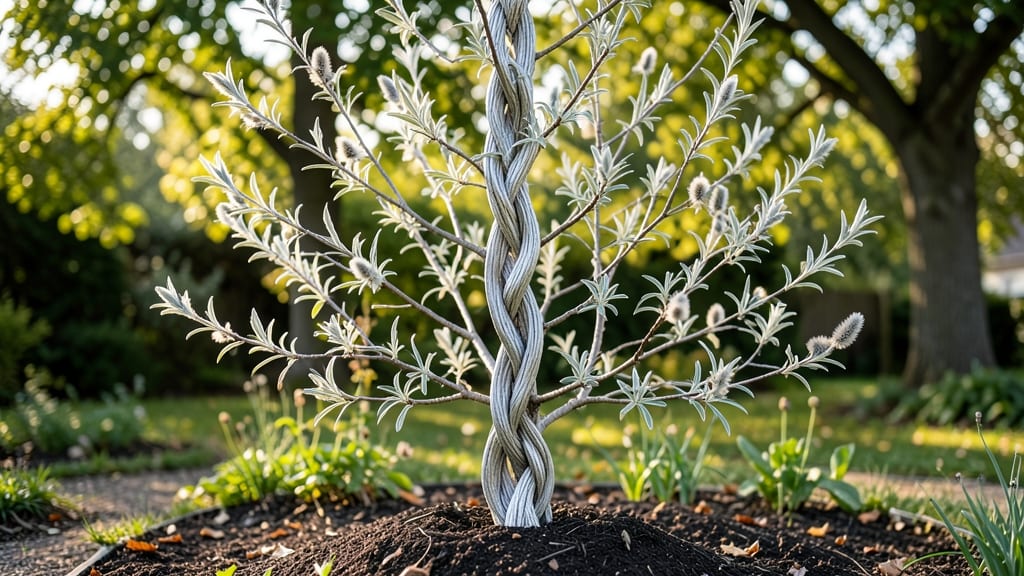
A braided willow tree full grown can reach heights of 10 to 20 feet—taller than a basketball hoop but still manageable with the right care. 🌳
The striking braided willow tree isn’t just a stunning ornamental plant—it’s a living sculpture that can transform your garden into a natural masterpiece. But before planting, knowing its full-grown height and growth habits is essential to avoid unexpected overgrowth or pruning nightmares.
If you’ve ever dreamed of a dramatic focal point for your yard, this tree delivers. With proper pruning and sunlight, it grows 1 to 2 feet per year, making it a rewarding long-term project.
The key is balancing its rapid growth with strategic trimming to maintain its iconic braided shape.
In this guide, you’ll discover how to nurture your braided willow tree from planting to maturity, including pruning tips, soil secrets, and how to handle common challenges. Let’s get started!
How tall does a braided willow tree grow full size?
The braided willow tree reaches its full-grown height between 10 to 20 feet, making it a striking focal point in any landscape. Unlike traditional willows, its unique braided trunk adds an artistic twist while maintaining manageable proportions.
Understanding its growth patterns helps you plan spacing, pruning, and long-term care to keep it thriving.
Most braided willow trees grow at a steady pace of 1 to 2 feet per year, meaning it takes about 5 to 10 years to reach maturity. This gradual growth gives you plenty of time to shape and maintain its distinctive braided form.
However, factors like climate, soil quality, and pruning techniques can influence how quickly—and how tall—your tree grows.
| Growth Stage | Height Range | Annual Growth Rate | Key Factors |
|---|---|---|---|
| Year 1 | 2–3 ft | 1–2 ft | Soil moisture, sunlight |
| Year 2–3 | 5–7 ft | 2–3 ft | Pruning frequency, climate |
| Year 4–5 | 8–12 ft | 1–2 ft | Nutrient availability, watering |
| Mature (5+ years) | 10–20 ft | 0–1 ft | Pruning maintenance, soil health |
In USDA Zones 5–8, braided willows thrive best, with Zone 6a being ideal for consistent growth. Cooler climates may slow growth slightly, while warmer zones can push the tree toward the 20-foot mark if given optimal care.
Always plant in well-draining, moist soil—waterlogged conditions stunt growth and weaken the trunk.
Your pruning schedule plays a critical role in height control. Prune in late winter or early spring to encourage dense braiding while limiting vertical growth. Avoid heavy pruning after summer, as this can stress the tree and reduce next year’s growth.
Regular trimming keeps the tree compact and encourages a fuller, more intricate braid pattern.
If you’re planting near structures or power lines, opt for dwarf varieties like Salix caprea ‘Baskatong’, which max out at 10 feet. For larger landscapes, standard varieties like Salix matsudana ‘Tortuosa’ can reach 15–20 feet with proper care. Always check local regulations before planting near buildings or utilities.
One common mistake is assuming braided willows grow like traditional willows, which can sprawl uncontrollably. Unlike their wild cousins, braided varieties are genetically selected for controlled growth.
However, neglecting pruning or planting in poor soil can lead to unexpected height spikes or weak, brittle trunks. Monitor your tree’s growth closely in its first few years.
For best results, test your soil’s pH (6.0–7.0) and amend with compost if needed. Mulch around the base to retain moisture and regulate soil temperature. In drought-prone areas, deep watering twice weekly during the first growing season ensures steady growth.
Over time, your braided willow will reward you with a living work of art that’s both functional and breathtaking.
Remember, the braided willow’s final height depends on your care routine. With the right balance of sunlight, water, and pruning, you’ll guide it to reach its full potential—whether that’s a 10-foot garden statement or a 20-foot landscape centerpiece.
Start small, stay consistent, and enjoy the process of shaping this unique tree.
Pruning a braided willow tree: when, how & what to avoid
A braided willow tree thrives on careful pruning to maintain its iconic twisted shape while promoting healthy growth. Unlike traditional trees, these living sculptures require strategic cuts to encourage braiding without stressing the plant.
Timing and technique make all the difference—prune too early or too late, and you risk stunting growth or inviting pests. Even the wrong tool can damage bark, leaving your tree vulnerable to disease.
Most gardeners prune in late winter or early spring, just before new growth begins. This timing aligns with the tree’s natural dormancy period, reducing stress. However, modern braiding techniques sometimes call for summer adjustments to refine the weave.
The key is balancing aesthetics with the tree’s health—over-pruning can kill branches, while under-pruning lets the willow grow wild and lose its sculpted form.
A braided willow tree full grown (10–20 ft tall) can survive only 20–30% annual pruning. Cutting more than this removes too many leaves, starving the tree of energy. Wrong cuts—like removing more than 1/3 of a branch’s diameter—can expose the vascular system, causing irreversible damage.
Always use clean, sharp tools and make cuts at a 45-degree angle just above a bud.
Start with the right pruning tools: a bypass pruner for small branches and a pruning saw for thicker stems. Disinfect tools with rubbing alcohol to prevent bacterial spread. For traditional braiding, select 3–5 flexible stems and weave them together in a spiral pattern, securing with soft ties.
Modern techniques often use stakes and twine for support, allowing the tree to grow into the shape naturally over years.
When pruning, focus on removing dead or crossing branches first. These compete for nutrients and disrupt the braid’s symmetry. Next, trim overly long shoots to maintain balance—never cut more than 1/4 of the branch’s length in a single session.
Leave leaf buds intact to encourage regrowth. For a full-grown braided willow, prioritize structural integrity over aggressive shaping; the tree’s natural flexibility is its beauty.
Seasonal adjustments matter: in summer, prune to refine the braid’s shape, but avoid heavy cuts. In fall, remove only diseased branches to prevent winter rot. Never prune in winter unless absolutely necessary—dormant trees heal slower, and cold stress weakens recovery.
If your willow’s braid loosens, retie gently with biodegradable twine and monitor for sap bleeding, which is normal for 1–2 weeks post-pruning.
Watch for signs of pruning stress, like yellowing leaves or stunted growth. These indicate you’ve pruned too aggressively. A healthy braided willow should have lush green foliage and flexible, intertwined stems.
With patience, your tree will reward you with a dramatic, long-lasting sculpture that’s the centerpiece of any garden—just remember, less is more when it comes to pruning.