
Pruning
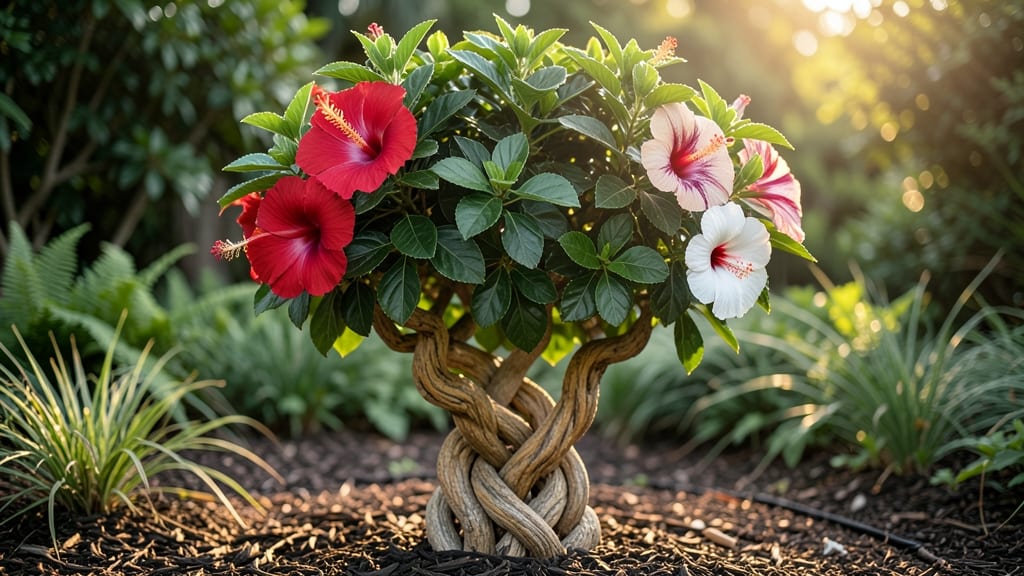
A braided hibiscus tree full grown looks like a living work of art—its twisted trunks and vibrant blooms steal every show. 🌺 I’ve pruned mine for years, and the secret to keeping it lush isn’t complicated: it’s all about timing, technique, and a little patience.
The braided effect isn’t just decorative; it strengthens the tree, making it more resilient against storms and pests.
Once established, your braided hibiscus will thrive in full sun to partial shade, with well-draining soil that mimics its tropical roots. Water deeply once a week (more in summer), but avoid soggy soil—root rot is the enemy.
The real magic happens in late winter or early spring, when you prune to shape those iconic braids while encouraging fresh, vigorous growth.
With proper care, your tree will reward you with glossy foliage and nonstop blooms from spring through fall. The braided trunks become thicker over time, creating a stunning focal point in any landscape. Just remember: prune before new growth starts, and always use clean, sharp tools to avoid disease.
This isn’t just a tree—it’s a statement piece that gets better with age. Whether you’re correcting a wonky braid or encouraging fuller blooms, these pruning secrets will keep your hibiscus looking its best year-round. Let’s get to work!
📚 In This Guide
- What you need
- Instructions
- Tips and common mistakes
- Wrapping up and next steps
What you need
- ● Pruning shears: Bypass pruners (sharp, clean, and sterilized with rubbing alcohol to prevent disease). Size: 6–8 inches for medium branches.
- ● Loppers: For thicker branches (½–1½ inches in diameter). Look for: Bypass blades and ergonomic grips.
- ● Hand pruners: For delicate trimming (smaller branches and braided sections). Size: 5–6 inches.
- ● Gloves: Heavy-duty gardening gloves (cut-resistant, like those with nitrile coating for safety).
- ● Disinfectant: 70% isopropyl alcohol or a pruning sealant (to heal cuts and prevent bacterial/fungal infections).
- ● Bucket or bag: For collecting pruned branches (a wet/dry vacuum works too for easy cleanup!).
- ○ Ladder (optional but handy): Extendable or step ladder (if your hibiscus is 6+ feet tall). Safety tip: Use a sturdy, non-slip model.
- ● Pruning saw: For stubborn, thick branches (if loppers won’t cut it). Type: Curved blade for precision.
- ● Marking twine or tape: To map out cuts before pruning (great for intricate braided designs!).
- ● Sharpening stone: To keep blades razor-sharp between uses.
- ● Sunscreen & hat: If pruning on a sunny day (hibiscus trees love warmth, but so do you!).
Step-by-Step guide to pruning your braided hibiscus tree for year-round beauty
Here's the method I use to keep my braided hibiscus thriving—it's all about timing and technique.
✂️ Step 1: Prune After Flowering to Encourage New Growth
Wait until your hibiscus finishes blooming in late spring or early summer before you prune. This is when the plant naturally slows down its flowering cycle and redirects energy into new growth. Using sharp, clean pruners, cut back any leggy or overgrown stems by about one-third of their length. Always make cuts just above a leaf node or outward-facing bud to encourage bushier growth.
I like to remove any dead, damaged, or crossing branches first—they compete with the braided structure for nutrients. You'll see the plant's natural shape emerge as you work. If your hibiscus has multiple trunks, focus on maintaining equal length and thickness for that signature braided look.
☀️ Step 2: Shape During Summer for Fullness and Airflow
Once the initial post-flowering prune is done, wait about 6-8 weeks before shaping again. This gives the plant time to recover and produces new growth you can work with. Step back and look at your tree—you're aiming for a balanced, rounded shape that allows sunlight and air to reach all parts of the plant.
Trim any stems growing inward or rubbing against others, as these can create wounds that invite pests. For the braided structure, gently weave new growth into the existing trunks if needed, securing with soft plant ties. You'll notice the plant fills out more quickly after this step, and you'll see new flower buds forming along the branches.
⏰ Step 3: Light Prune in Late Summer for Fall Blooms
Around mid-to-late August, give your hibiscus a light prune to encourage one last flush of blooms before winter. Focus on trimming just the tips of branches—about 2-3 inches off the ends—to promote compact growth. This is also the time to remove any spent flowers and seed pods, as they drain energy from the plant.
I always check for any branches that are growing too close to the ground or blocking the braided design. Trim these back to maintain the tree's elegant form. The goal here is to keep the plant healthy and ready for winter while still enjoying a few late-season blooms.
✂️ Step 4: Winter Prune for Structure and Spring Growth
In late winter or early spring, before new growth begins, do a final prune to shape the tree for the coming season. This is when you can make more dramatic cuts if needed—up to half the length of any overgrown branches. Again, focus on maintaining the braided structure and removing any dead or weak wood.
After pruning, give your hibiscus a light feeding with a balanced fertilizer to encourage strong new growth. You'll see fresh, vibrant leaves emerging within a few weeks, signaling that the plant is ready for another season of blooms. This final prune sets the stage for the lush, full appearance you love.
Tips & tricks for pruning your braided hibiscus tree
These little adjustments make all the difference between a struggling plant and one that thrives year after year.
Timing is Everything: The late spring/early summer timing in Step 1 is crucial because that's when hibiscus naturally shifts from blooming to growth mode. I've seen people prune too early and end up with fewer flowers later—don't make that mistake! Watch for when about 80% of blooms have fallen naturally before cutting. This gives you that perfect window to redirect energy into new growth without sacrificing current season flowers.
The One-Third Rule: When cutting back those leggy stems in Step 1, think of it like giving your hibiscus a haircut—you're not shaving it bald, just bringing it into shape. That one-third guideline exists because it's the sweet spot where you remove enough old growth to encourage new shoots while leaving enough leaves to keep photosynthesizing. For thick trunks, you can be slightly more aggressive, but for delicate braided stems, stick to that one-third maximum.
Tool Maintenance Matters: Your pruners should be as sharp as the day you bought them—dull blades crush stems instead of making clean cuts, which invites disease. I clean my pruners with rubbing alcohol after each use and sharpen them annually. For the braided structure, I also keep a pair of soft plant ties on hand to gently weave new growth into place during Step 2—this maintains that signature look while allowing natural flexibility.
Seasonal Checklist: Create a simple seasonal reminder: Late spring/early summer (Step 1), 6-8 weeks later (Step 2), mid-to-late August (Step 3), and late winter/early spring (Step 4). I mark these dates on my calendar with little hibiscus icons so I never miss a pruning window. The August light prune is especially easy to forget, but it's what gives you those beautiful fall blooms—don't skip it!
Pro Tips for Braided Hibiscus Tree Full Grown
- These little adjustments make all the difference between a struggling plant and one that thrives year after year.
- Timing is Everything: The late spring/early summer timing in Step 1 is crucial because that's when hibiscus naturally shifts from blooming to growth mode.
- The One-Third Rule: When cutting back those leggy stems in Step 1, think of it like giving your hibiscus a haircut—you're not shaving it bald, just bringing it into shape.
Frequently asked questions
about growing and maintaining a full-grown braided hibiscus tree—because even pros need a little guidance!How fast does a braided hibiscus tree grow to full size?
A braided hibiscus tree typically reaches its mature height of 10–15 feet in 3–5 years with proper care. Growth slows as it matures, but regular pruning (like the braiding technique) encourages denser, fuller foliage. Patience is key—think of it as sculpting a living masterpiece!
Can I braid a hibiscus tree that’s already full-grown?
While younger trees (under 3 years old) are easier to braid, you can still train an established hibiscus. Start by selecting 3–5 flexible branches and gently weave them together, securing with soft ties. Be gentle—older wood is stiffer, so prune selectively to avoid stress. Pro tip: Do this in early spring to align with new growth!
What’s the best time of year to prune a braided hibiscus?
Prune your braided hibiscus twice a year:
- Late winter/early spring: Shape the tree before new growth sprouts (ideal for braiding adjustments).
- Summer (after flowering): Lightly trim to encourage bushiness and remove dead blooms. Avoid heavy pruning in fall—it stresses the tree before winter.
Skip winter pruning unless removing dead wood—hibiscus trees are dormant and vulnerable to cold damage.
Why are my hibiscus leaves turning yellow or dropping?
Yellowing leaves or leaf drop usually signal overwatering, underwatering, or nutrient deficiencies. Check these first:
- Watering: Hibiscus loves moisture but hates soggy roots. Water deeply 1–2x/week (adjust for climate).
- Nutrients: Feed with a balanced fertilizer (like 10-10-10) in spring/summer. Yellow edges? Try iron supplements for chlorosis.
- Pests: Inspect for aphids or spider mites—spray with neem oil if needed.
If the issue persists, repot in fresh, well-draining soil.
Will pruning my hibiscus reduce its flowers?
Not at all! Pruning actually boosts flowering by promoting new growth and air circulation. Focus on:
- Trimming back overly long branches to encourage bushier, flower-rich growth.
- Removing spent blooms to redirect energy to new flowers.
- Avoid cutting into old wood—prioritize younger stems for vibrant blooms.
For extra flowers, prune lightly after each bloom cycle in warm climates.
Wrapping up and next steps
Growing a full-grown braided hibiscus tree is a rewarding journey that brings beauty and vibrancy to your garden year-round! With the right pruning techniques—like shaping, thinning, and seasonal trimming—you’ll keep your tree lush, healthy, and thriving. Remember, consistency is key, and a little patience goes a long way.
Now that you’re armed with the secrets to year-round lushness, it’s time to roll up your sleeves! Grab your pruners, pick a sunny day, and give your hibiscus the care it deserves. Happy pruning—your garden will thank you! 🌿✨