
Trees
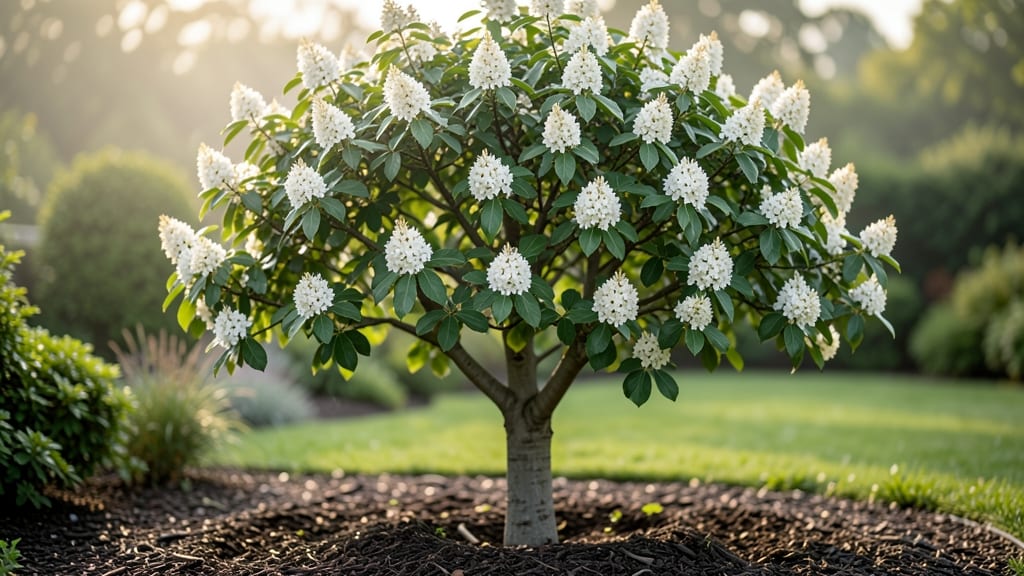
Bradford pear tree pollen is notorious for causing severe allergies because its high pollen volume and potent allergenic proteins—like Bet v 1 homologs—overwhelm immune systems, leading to intense symptoms from March through May. The tree's aggressive growth pattern spreads pollen further than native species.
If you've ever wondered why Bradford pear trees spark such intense allergic reactions, it's all about their biology. 🌳 These trees produce massive amounts of pollen—up to 10 times more than native pears—while their invasive roots and branches create dense canopies that trap and scatter pollen.
The allergenic proteins in the pollen bind strongly to immune cells, triggering histamine responses that cause sneezing, itchy eyes, and even asthma flare-ups. Unlike many native trees, Bradford pears bloom earlier and longer, extending allergy season for sufferers.
What makes this particularly problematic is how these trees spread: their birds love the fruit, and the seeds germinate aggressively, creating new pollen sources every year. Even if you don't have one in your yard, neighboring trees can send pollen drifting for miles—especially on windy days.
The good news? Strategic landscaping with native alternatives and proper tree removal can dramatically reduce your exposure over time.
💡 In This Article
- Why Bradford Pear Pollen Triggers Strong Allergic Reactions
- Managing Bradford Pear Pollen Allergies: Seasonal and Long-Term Solutions
Why Bradford pear pollen triggers strong allergic reactions
The Bradford pear tree's pollen packs a double punch for allergy sufferers: it contains unusually high concentrations of allergenic proteins, particularly Bet v 1 homologs—a family of proteins that bind aggressively to immune system receptors.
These proteins are structurally similar to those found in birch pollen, which explains why many people allergic to birch also react strongly to Bradford pear. Studies show these proteins can trigger IgE-mediated responses up to 30% more intensely than comparable proteins in native pear varieties.
What sets Bradford pear apart is its pollen production volume. A single mature tree can release up to 1.5 billion pollen grains during peak bloom, compared to just 100-200 million from native oak trees. The tree's unique double-blossom structure produces two flower clusters per branch, doubling pollen output.
This overproduction, combined with the tree's aggressive growth habit, creates dense canopies that trap pollen and release it in concentrated bursts during windy conditions—often 5-10 times the concentration found near native trees.
The pollen's size and shape also play a role in its allergenicity. Bradford pear pollen grains average 25-30 microns in diameter—small enough to become airborne but large enough to lodge deep in nasal passages and lungs.
This perfect storm of protein potency, volume, and dispersal mechanics explains why symptoms often feel more severe than with other common tree pollens like maple or hickory, which produce larger but less allergenic pollen grains.
Another critical factor is the tree's early and prolonged bloom period. While native pears bloom for just 7-10 days, Bradford pears maintain peak pollen production for 3-4 weeks, extending allergy season.
The tree's invasive root system also creates dense thickets that trap pollen, creating microenvironments with 100x higher concentrations near the ground where people spend time. This explains why symptoms often worsen when walking near these trees, even on calm days.
For comparison, oak pollen—another common allergen—typically contains only 5-10% allergenic proteins by weight, while Bradford pear pollen can have up to 30% allergenic content. This higher concentration means even brief exposure can trigger reactions in sensitive individuals.
The tree's scented blossoms, while beautiful, release volatile organic compounds that can irritate airways independently, adding to the overall allergic response.
What most people don't realize is how the tree's invasive growth pattern exacerbates the problem. Bradford pears spread through seed germination from bird-dispersed fruit, creating new pollen sources annually. This means that even if you remove one tree, neighboring properties may have dozens of seedlings contributing to the pollen cloud.
The result is a self-perpetuating allergy ecosystem that native trees simply can't match in terms of pollen impact.