
Landscaping
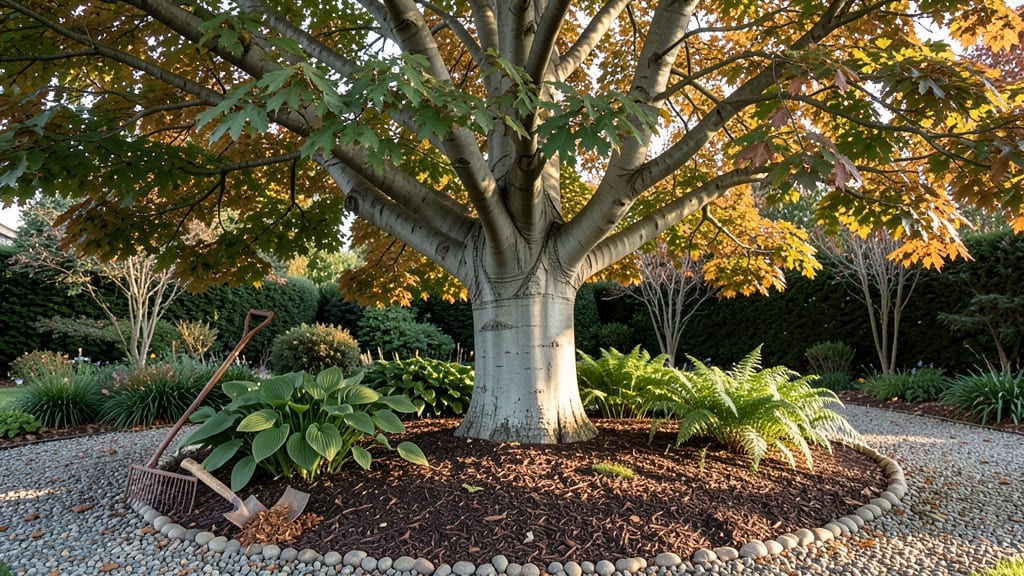
Beech tree landscaping transforms any yard into a timeless, elegant retreat. 🌿 Their copper-tinged leaves in fall and smooth silver bark in winter create a show that lasts all year—without the upkeep of flashy annuals.
I planted mine as a focal point near the patio, and it’s now the centerpiece that neighbors admire (and ask about).
The key to making beech trees work in your design? Sunlight and space. They thrive in full sun to partial shade and need 20-30 feet of room to spread their branches gracefully.
For smaller yards, choose the compact Fagaceae varieties or use them as a dramatic hedge—just space them 10-15 feet apart for a lush, natural barrier. What you’ll love most is how they anchor your garden’s style.
Pair them with hostas for shade, boxwood for structure, or wildflowers for a woodland feel. Their year-round presence means no dead seasons—just layers of texture and color that evolve with each turn of the year.
Whether you’re going for a classic English garden or a modern minimalist look, beech trees deliver effortless sophistication. Here’s how to make them the star of your outdoor space without the fuss.
📚 In This Guide
- What you need
- Instructions
- Tips and common mistakes
- Wrapping up and next steps
What you need
- ● Beech Tree Saplings: 3–5 Fagus sylvatica (European Beech) or Fagus grandifolia (American Beech) saplings, 4–6 feet tall (check local climate suitability).
- ● Soil Amendments: 50 lbs. of compost (for nutrient-rich soil).
- ● 20 lbs. of organic mulch (e.g., hardwood chips or pine straw).
- ● Planting Supplies: 1–2 garden forks or shovels (for digging).
- ● 1 wheelbarrow (for moving soil/amendments).
- ● 1 measuring tape (to mark planting spots).
- ● 1 watering can or hose with nozzle (for post-planting hydration).
- ● Protective Gear: Work gloves (heavy-duty for digging).
- ● Knee pads (for comfort).
- ● Soil Testing Kit: To check pH (ideal: 6.0–7.0 for beech trees).
- ● Tree Guards: 3–5 plastic or metal tree rings (to protect young trunks from pests).
- ● Drip Irrigation System: For automated watering (especially in dry climates).
- ● Decorative Stones: Mulch rings or landscape fabric to suppress weeds.
- ● Pruning Tools: 1 pruning shears (for shaping).
- ● 1 loppers (for thicker branches).
- ● ✅ Sunlight: Choose a spot with full sun to partial shade (6+ hours of sunlight daily).
- ● ✅ Space: Ensure 20–30 feet of clearance between trees (or structures) for mature growth.
- ● ✅ Drainage: Avoid low-lying areas prone to waterlogging.
- ● ✅ Permits: Check local regulations if planting near property lines or in HOAs.
Step-by-Step guide to planting and caring for beech trees
Here's how to create a stunning, low-maintenance landscape centerpiece that thrives year after year.
🌱 Step 1: Choose and Prepare the Planting Site
Beech trees thrive in well-drained soil with partial shade to full sun, though they tolerate some shade better than many other trees. Look for a spot that gets at least 4-6 hours of sunlight daily—morning sun with afternoon shade works beautifully. Avoid low-lying areas where water pools after rain.
Test your soil by digging a 12-inch deep hole. If the soil feels compacted or clay-heavy, mix in 2-3 inches of compost to improve drainage and nutrient content. Beech trees hate soggy roots, so if your area floods easily, consider planting on a slight mound or installing a small drainage trench nearby.
🪴 Step 2: Dig the Hole and Plant the Tree
Dig a hole that's twice as wide as the tree's root ball but no deeper—beech trees develop shallow roots and dislike being buried too deeply. Gently remove the tree from its container and loosen any circling roots with your fingers. This prevents root girdling, which can strangle the tree over time.
Place the tree in the hole so the top of the root ball sits 1-2 inches above ground level. This prevents soil from settling and burying the trunk later. Backfill with the native soil you removed, tamping lightly every 6 inches to eliminate air pockets. Water deeply to settle the soil around the roots—you'll know it's right when water drains evenly without pooling.
☀️ Step 3: Mulch and Water for Establishment
Spread 3-4 inches of mulch in a circle around the tree, keeping it 6 inches away from the trunk to prevent rot. Use shredded bark or wood chips—avoid rocks or gravel, which don't break down and can suffocate roots. Mulch helps retain moisture and regulates soil temperature, especially in hot summers.
Water the tree deeply once a week during the first growing season, providing 10-15 gallons of water per tree. Check moisture by sticking your finger 2-3 inches into the soil—if it feels dry, water again. Beech trees are drought-tolerant once established, but young trees need consistent moisture to develop strong roots. Avoid overwatering, which can lead to root rot.
✂️ Step 4: Prune and Monitor for Long-Term Health
Prune your beech tree in late winter or early spring before new growth begins. Remove any dead, diseased, or crossing branches using clean, sharp pruners. Make cuts just outside the branch collar—the swollen area where the branch meets the trunk—to promote faster healing. Never remove more than 25% of the tree's foliage in one season.
Watch for signs of stress, like yellowing leaves or powdery mildew, which can appear in humid climates. Beech trees are generally pest-resistant, but aphids or scale insects may occasionally appear. If you spot them, treat with horticultural oil or insecticidal soap in early summer. Healthy beech trees develop stunning fall foliage and smooth, attractive bark, making them a standout landscape feature.
Tips & tricks for perfect beech tree landscaping
Here's what I've learned from years of working with these stunning trees—and how to avoid the mistakes I made early on.
Site Selection Matters: That 4-6 hours of sunlight is non-negotiable for healthy growth, but here's the thing—morning sun with afternoon shade is ideal. If your yard gets intense afternoon heat, consider planting near a northern-facing wall or under existing trees. I once planted one in full afternoon sun, and the leaves scorched by summer's end.
Root Care is Everything: When loosening those circling roots in Step 2, take your time—don't rush! I've seen people snap roots trying to hurry, which stresses the tree. Also, that 1-2 inch elevation above ground level is crucial. After planting, I mark the trunk height with a pencil on a stake to monitor settling over time.
Mulching Wisdom: The 3-4 inches of mulch should extend to the tree's drip line (the edge of its canopy), not just the trunk area. This creates a cooler root zone. I use hardwood mulch because it breaks down slowly and improves soil structure over time. Pro tip: Refresh the mulch layer annually in late winter—never pile it against the trunk.
Watering Strategy: Those 10-15 gallons per week might seem like a lot, but it's better to give one deep watering than several shallow ones. I use a rain gauge to track rainfall—if we get 1 inch of rain, I skip watering that week. For the first year, I set a timer on my irrigation system for 30 minutes every 7 days to ensure consistency.
Pro Tips for Beech Tree Landscaping
- Here's what I've learned from years of working with these stunning trees—and how to avoid the mistakes I made early on.
- Site Selection Matters: That 4-6 hours of sunlight is non-negotiable for healthy growth, but here's the thing—morning sun with afternoon shade is ideal.
- Root Care is Everything: When loosening those circling roots in Step 2, take your time—don't rush!
Frequently asked questions
Got questions about adding beech trees to your landscape? Here are some of the most common concerns—plus expert answers to help you plan with confidence!
How fast do beech trees grow, and when will they provide shade?
Beech trees grow at a moderate pace—expect about 12–24 inches per year under ideal conditions. American beech trees mature faster (15–20 years for full shade), while European beeches take slightly longer (20–25 years). Plant them near patios or driveways now for long-term shade payoff!
Can I plant a beech tree in my small yard, or do they need lots of space?
Yes! While mature beeches can reach 50–75 feet tall, their spreading canopies make them great for medium-sized yards (as little as 20–30 feet wide). Choose dwarf varieties like ‘Cuprea’ (European hornbeam) for tighter spaces, or prune young trees to control growth.
Are beech trees cold-hardy, and how do I protect them in winter?
Beech trees thrive in USDA Zones 4–9, handling cold snaps down to -30°F. To prevent winter damage, mulch heavily (3–4 inches) around the base and avoid heavy pruning before frost. Young trees may need burlap wraps in extreme winds.
Why are my beech tree leaves turning brown, and how do I fix it?
Brown leaves often signal drought stress, fungal issues (like beech leaf disease), or pests like scale insects. Water deeply weekly in dry spells, rake up fallen leaves to prevent fungal spread, and inspect branches for pests. If disease strikes, consult a local arborist for treatment options.
What’s a low-maintenance alternative if I want similar shade without the upkeep?
Consider serviceberry (for spring blooms + fall color) or hackberry trees—they offer shade with less pruning and fewer pests. For evergreen options, try ‘Emerald Green’ arborvitae, which stays dense year-round with minimal care.
Wrapping up and next steps
Beech trees bring timeless beauty and effortless charm to any landscape, offering year-round elegance with minimal upkeep. Whether you're drawn to their golden autumn hues, sturdy bark, or lush foliage, these trees are a low-maintenance powerhouse for both beginners and seasoned gardeners.
Ready to transform your outdoor space? Start small—plant a single specimen or sketch a full design—then watch your vision grow into a serene, picturesque retreat! 🌳✨
- Next step: Research local nurseries or consult a landscaper to source the perfect beech variety for your climate.
- Pro tip: Pair your beech with complementary plants (like hostas or ferns) for a cohesive, high-impact look!