
Pruning
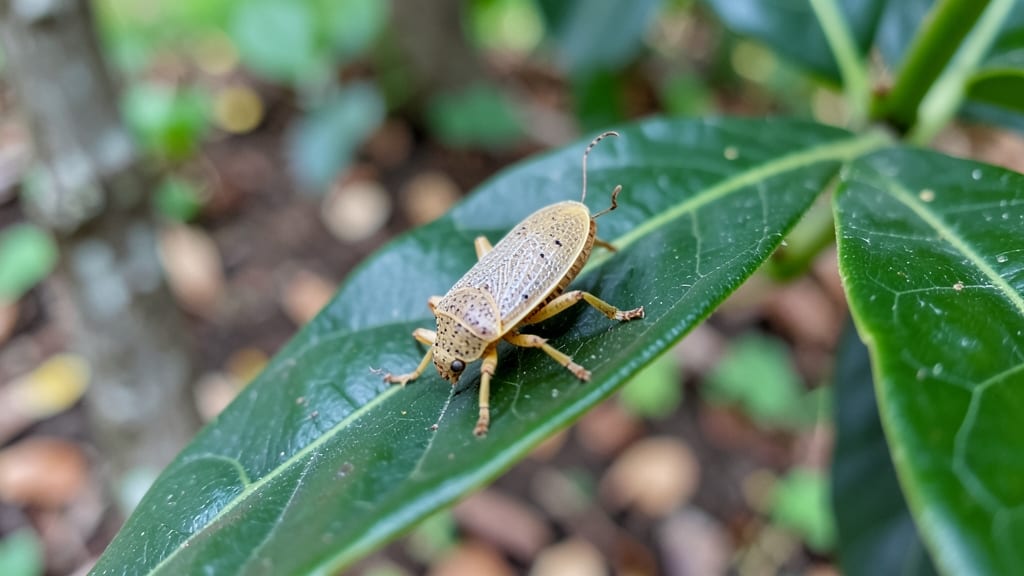
Avocado lace bugs and scale insects turn your tree’s glossy leaves into a sad, speckled mess. 🌿 I’ve seen healthy avocado trees go from vibrant green to struggling in just a few weeks—until I learned to spot the signs early and act fast.
These pests don’t just damage leaves; they weaken the whole tree, stunting growth and fruit production.
The first clue is usually tiny white spots on the undersides of leaves, followed by sticky residue (honeydew) on branches. Lace bugs leave lace-like patterns, while scale insects appear as small bumps.
Both thrive in dry conditions, so regular watering and pruning to improve airflow can cut their numbers before they become a full-blown problem.
Organic control starts with a strong spray of water to knock off pests, followed by neem oil or insecticidal soap—applied in the evening to avoid harming bees.
Introducing natural predators like ladybugs or lacewing larvae can also turn the tide. With consistent monitoring, you’ll see healthier leaves and fewer pests within weeks.
Prevention is key: inspect your tree every two weeks during warm months, prune dead branches, and keep the area around the trunk free of debris. These steps don’t just protect your tree—they help it thrive year after year, even in pest-heavy climates.
Root Causes of Avocado Tree Pests
Avocado trees are a garden’s prized treasure, but their lush leaves and creamy fruit also make them a buffet for insects. Understanding why these pests show up is the first step to keeping your tree thriving.
Below, we break down the key factors—from environmental triggers to human habits—that turn your avocado tree into an insect magnet.
Avocado trees are resilient, but stress makes them vulnerable. When environmental conditions push a tree beyond its comfort zone, its natural pest-repelling mechanisms weaken, inviting insects to move in.
- Water Issues (Too Much or Too Little) - Overwatering: Soggy soil creates the perfect breeding ground for root-knot nematodes and fungus gnats.
These pests thrive in anaerobic (low-oxygen) conditions, leading to root rot and attracting secondary insects like mealybugs that feed on weakened roots. - Underwatering: Drought-stressed trees produce less sap and fewer defensive compounds (like tannins), making them easier targets for avocado lace bugs and scale insects, which suck out nutrients from stressed foliage.
- Poor Soil Health
- Compacted or nutrient-deficient soil limits root growth, reducing the tree’s ability to fight off pests. Whiteflies and aphids often flock to trees with stunted growth because they lack the energy to produce sticky honeydew (a byproduct of their feeding), which in turn attracts ants and sooty mold.
- Extreme Temperatures
- Avocado trees prefer warm climates (USDA Zones 9–11). Sudden cold snaps or heatwaves can shock the tree, causing mites (like spider mites) to multiply rapidly. These tiny pests thrive in dry, hot conditions, spinning webs that drain moisture from leaves.
Insects love hiding in tight spaces where they can spread undetected. If your avocado tree is cramped or planted in the wrong spot, you’re rolling out the welcome mat for pests.
- Lack of Air Circulation
- Dense foliage or nearby structures (like fences or other trees) trap humidity, creating a damp microclimate. This attracts mealybugs and thrips, which love moisture and poor airflow. Prune regularly to open up the canopy and reduce hiding spots.
- Proximity to Infested Plants
- Avocado trees near citrus, mango, or other fruit trees can cross-contaminate pests. For example, avocado lace bugs (native to avocados) may spread to nearby plants, while citrus leaf miners can jump to avocados if they’re too close.
- Weedy or Unkempt Surroundings
- Weeds and debris around the base of the tree provide shelter for ground-dwelling pests like earwigs and cutworms. These insects can then migrate to the tree, especially at night, causing damage to young leaves and fruit.
Even the best-intentioned gardening habits can backfire. Here’s how common practices accidentally encourage insect infestations:
- Over-Fertilizing (Especially Nitrogen)
- Too much nitrogen promotes soft, tender new growth—delicious to sap-sucking pests like aphids and scale insects. These insects prefer lush, fast-growing leaves because they’re easier to penetrate. Balance your fertilizer with potassium and phosphorus to strengthen the tree’s natural defenses.
- Ignoring Pruning
- Dead or dying branches harbor pests like borers (e.g., avocado seed borers) and beetles. These insects lay eggs in decaying wood, and their larvae tunnel into healthy tissue, weakening the tree over time.
- Bringing in Infested Plants or Tools
- Purchasing nursery stock with hidden pests (like mealybugs on roots) or using shared tools (pruners, shovels) can introduce new infestations. Always quarantine new plants and sanitize tools with rubbing alcohol.
Where you live plays a huge role in which pests target your avocado tree—and how bad the infestation gets.
- Humid Climates
- High humidity encourages fungal growth and attracts moisture-loving pests like whiteflies and thrips. In tropical regions, these insects can explode in population during the rainy season.
- Arid or Windy Areas
- Dry conditions stress trees, making them more susceptible to scale insects and mites. Wind can also disperse pests like avocado lace bugs from neighboring trees, so isolation is key.
- Urban vs. Rural Settings
- Urban gardens may face aphids and ants (which farm aphids for honeydew), while rural areas might deal with borers and beetles drawn to wild hosts like laurel or pepper trees.
Avocado trees aren’t just random targets—they’re selected by pests for specific reasons:
- Sap-Rich Leaves and Fruit
- Avocado leaves contain high levels of sugars and oils, making them irresistible to sap-sucking insects like lace bugs and mealybugs. The tree’s thick, leathery leaves also provide excellent cover for pests to hide from predators.
- Fruit Ripeness Signals
- Ripe avocados emit volatile organic compounds (VOCs) that attract fruit flies and beetles. These pests are drawn to the scent of ripening fruit, often laying eggs in unharvested avocados, which then rot from the inside.
- Young, Tender Growth
- New shoots and flowers are packed with nutrients, making them prime feeding sites for aphids and whiteflies. These pests target young growth because it’s easier to penetrate and packed with energy.
The best defense is understanding the why behind infestations. Start by:
- Monitoring your tree weekly for early signs (honeydew, webs, or chewed leaves).
- Adjusting care—watering deeply but less frequently, pruning for airflow, and using balanced fertilizers.
- Isolating new plants for 2–4 weeks to catch hidden pests.
By addressing these root causes, you’ll make your avocado tree far less appealing to insects—naturally!
Quick fixes for avocado tree pests
When your avocado tree becomes a buffet for unwanted critters, acting fast is key! Below are targeted, organic solutions to tackle common pests—from sap-sucking aphids to wood-boring beetles—while keeping your tree thriving. Each fix pairs a specific problem with a practical remedy, plus prevention tips to stop future invasions.
🔥 Problem: Sticky honeydew, curled leaves, and weakened growth mean these tiny pests are draining your tree’s energy.
🍳 Fix It:
- Blast ‘Em Away 💦: Spray infested areas with a strong stream of water (aphids hate this!). Repeat every 3–4 days for 2 weeks.
- Soap It Up 🧼: Mix 1 tbsp mild liquid soap (like Castile) + 1 quart water in a spray bottle. Test on a small leaf first—soap can burn if too concentrated.
- Neem Oil Rescue 🌿: Combine 1 tsp neem oil + 1 tsp horticultural oil + 1 tsp dish soap + 1 quart water. Spray early morning or late evening (avoid direct sun—it burns leaves). Reapply weekly until pests vanish.
💡 Prevent Return Trips:
- Encourage Natural Predators: Ladybugs and lacewings love aphids. Plant marigolds or dill nearby to attract them.
- Prune & Toss: Remove heavily infested leaves/branches outside your yard (aphids spread fast!).
🔥 Problem: White, fluffy clusters on stems/leaves? Mealybugs suck sap and leave behind sooty mold (a black fungus).
👨🍳 Fix It:
- Rub ‘Em Off 🧼: Dampen a cotton swab with 70% isopropyl alcohol and gently dab each bug. Works for small infestations.
- Oil Smothering 🛢️: Use horticultural oil (like Safer® Brand)—spray thoroughly (cover all surfaces) and repeat in 7–10 days.
- Beneficial Nematodes 🐛✨: For soil-dwelling mealybugs, water the base with heterorhabditis bacteriophora nematodes (available online). They eat the bugs alive!
💡 Prevent Them from Moving In:
- Inspect New Plants: Quarantine new avocado trees for 2 weeks before planting.
- Keep It Clean: Remove fallen leaves/debris—mealybugs hide here.
🔥 Problem: Tiny lace bugs leave silver spots on leaves and black fecal specks. Heavy infestations = premature leaf drop.
🔪 Fix It:
- Knock ‘Em Down 🌪️: Shake the tree vigorously over a tarp to dislodge adults. Drop them into soapy water.
- Diatomaceous Earth (DE) 🏖️: Sprinkle food-grade DE on soil and under leaves—it dehydrates bugs. Reapply after rain.
- Kaolin Clay Barrier 🏗️: Mix Surround® WP (kaolin clay) with water and spray. Creates a protective film that repels bugs.
💡 Stop the Cycle:
- Mulch Properly: Use wood chips (not fresh bark) to reduce hiding spots.
- Traps Work: Place yellow sticky traps near the tree to catch adults.
🔥 Problem: Worms tunnel inside fruit, making it inedible. Look for frass (sawdust-like droppings) or entry holes.
⏰ Fix It (Act Fast!):
- Handpick Larvae 👀: Cut open suspect fruit and remove worms with tweezers. Dispose of fruit in a sealed bag.
- Bacillus thuringiensis (Bt) 🦠: Spray Bt kurstaki (organic bacteria) on foliage and fruit. It kills caterpillar larvae in 48 hours.
- Pheromone Traps 🎣: Use avocado fruit borer traps (available at garden centers) to catch adults before they lay eggs.
💡 Break the Egg-Laying Habit:
- Prune for Airflow: Thin branches to reduce humidity (borers love damp areas).
- Harvest Early: Pick fruit before it ripens to avoid peak egg-laying season (spring/summer).
🔥 Problem: Tiny white moths swarm leaves, causing yellowing and sticky residue.
🌿 Fix It:
- Yellow Sticky Traps 🎣: Hang traps above the tree to catch adults.
- Insecticidal Soap 🧼: Spray early morning (whiteflies are sluggish then). Use every 5–7 days.
- Reflective Mulch 🌈: Cover the base with aluminum foil or reflective mulch—it confuses and repels them.
💡 Keep Them Away:
- Avoid Overwatering: Whiteflies love moist soil.
- Plant Basil or Garlic: Their scent deters whiteflies.
✅ Inspect Weekly: Check undersides of leaves, stems, and fruit for early signs. ✅ Encourage Birds & Lizards: They eat insects—install a bird feeder or rock piles for lizards. ✅ Rotate Treatments: Pests develop resistance—switch between soap, oil, and Bt seasonally. ✅ Healthy Tree = Strong Defense: Fertilize with compost, water deeply but infrequently, and prune for airflow.
🎯 Pro Tip: If pests keep coming back, your tree might be stressed—check for nutrient deficiencies (like zinc or magnesium) or overwatering. A balanced organic fertilizer can boost immunity!
Frequently asked questions about avocado tree pests
How do I tell if my avocado tree has lace bugs or scale insects?
Check the undersides of leaves for tiny white spots (lace bugs) or small bumps (scale insects). Lace bugs leave lace-like patterns and black fecal specks, while scale insects produce sticky honeydew. Both pests thrive in dry conditions, so inspect during warm months when they’re most active.
Can I use neem oil on avocado trees with fruit?
Yes, but apply it carefully! Neem oil is safe for edible fruit when used as a foliar spray (not on ripe avocados). Mix 1 tsp neem oil + 1 tsp dish soap + 1 quart water and spray in the evening to avoid harming bees. Reapply every 7-10 days until pests disappear.
Why do I keep getting infestations even after treating them?
Pests often return due to hidden eggs, poor airflow, or stressed trees. Prune for better circulation, remove fallen leaves/debris, and check for nutrient deficiencies (like zinc or magnesium). Rotate treatments—pests build resistance to single methods, so alternate between soap, oil, and beneficial nematodes.
Are there any natural predators that help control avocado pests?
Ladybugs, lacewings, and parasitic wasps eat aphids and mealybugs. Plant marigolds or dill nearby to attract them, or purchase beneficial insects from garden centers. Birds and lizards also help—install a bird feeder or create rock piles to encourage them to visit your tree.
How often should I inspect my avocado tree for pests?
Check your tree every 2 weeks during warm months (spring-fall) and monthly in winter. Focus on leaf undersides, stems, and fruit—early detection is key! Use a magnifying glass if needed, as some pests (like mites) are microscopic. Catching infestations early saves time and prevents major damage.