
Trees
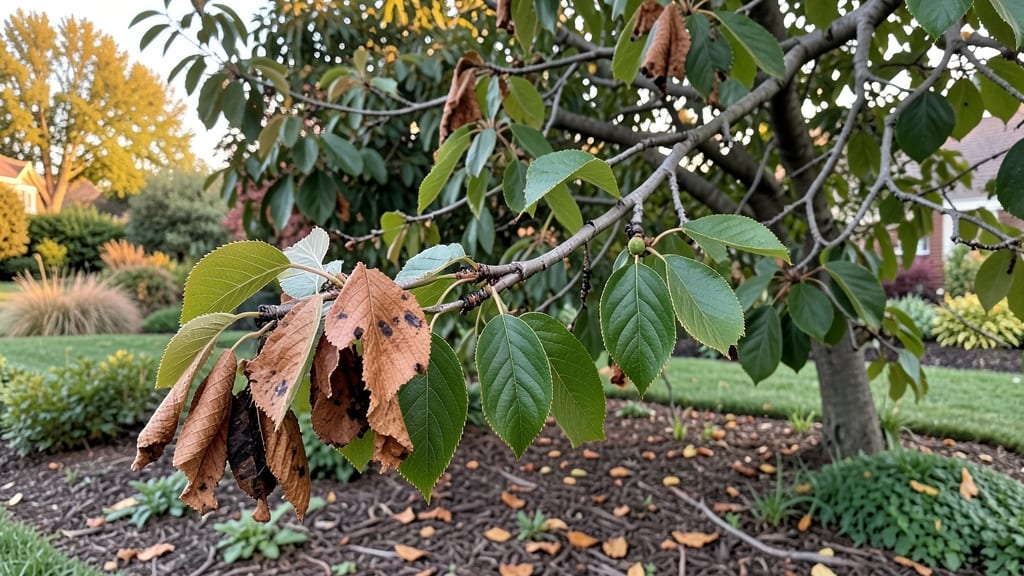
Brown leaves on your cherry tree don’t mean the end of its life—just a call for action. 🌿 I’ve nursed back more than a few struggling trees, and most of the time, the fix is simpler than you’d think.
The key is figuring out whether your tree is thirsty, sick, or just fighting off pests, and then giving it exactly what it needs.
Start by checking the leaves: are they crispy and dry (drought stress), covered in white powder (fungal disease), or speckled with tiny holes (pests)? Each problem needs a different approach—like pruning out dead branches, applying neem oil, or adjusting your watering routine.
The good news? Most cherry trees bounce back fast once you address the root cause.
You’ll see fresh green growth within weeks if you act now. The secret is consistency: regular checks, proper watering (deep but not soggy), and removing any infected leaves before they spread. Think of it like a doctor’s visit for your tree—early diagnosis means a full recovery.
Works for both sweet and tart cherry varieties, and even young trees still establishing themselves. Let’s get that foliage back to its vibrant best before winter sets in.
Understanding Leaf Discoloration Causes
When your once-lush cherry tree starts sporting brown leaves, it’s often a cry for help—whether from environmental stress, pests, or underlying health issues. Below, we break down the most common culprits behind this problem, so you can diagnose the issue and take action before it’s too late.
Cherry trees are sensitive to extreme conditions, and sudden shifts in temperature or water availability can trigger browning leaves. Here’s what’s likely happening:
- Drought Stress:
When soil dries out too quickly, roots struggle to deliver water to the canopy.
Leaves curl, turn brown at the edges, and eventually crisp up—especially in sweet cherry varieties prone to moisture sensitivity. Action: Deep watering (1–2 inches per week) and mulching (2–4 inches of organic material) can retain moisture and protect roots.
- Heat Scorch:
Intense sunlight combined with dry air (common in late summer) causes leaf edges to brown and scorch, a condition called necrosis. Young leaves are most vulnerable. Action: Provide afternoon shade with shade cloth (30–50%) or drip irrigation to keep foliage hydrated.
- Frost or Freeze Damage:
Late spring frosts or early autumn freezes can blacken leaves overnight, particularly on tart cherry trees. New growth is especially at risk. Action: Use frost cloths or row covers for young trees, and avoid over-fertilizing in fall (which encourages tender new growth).
Not all brown leaves are caused by neglect—some are the work of invisible invaders. Here’s how to spot the difference:
| Symptom | Likely Culprit | What to Do |
|---|---|---|
| Leaves yellow between veins, then brown and crispy | Cherry leaf spot fungus (caused by Coccomyces hiemalis) | Prune infected branches; apply copper fungicide in early spring before buds swell. 💡 Pro Tip: Avoid overhead watering to reduce spores. |
| Leaves curl and brown, with webbing or tiny black dots | Spider mites or cherry leafroller caterpillars | Spray with neem oil (for mites) or Bt (Bacillus thuringiensis) (for caterpillars). ✨ Bonus: Introduce ladybugs as natural predators. |
| Leaves wilt and brown suddenly, with sawdust-like frass | Borers (e.g., cherry fruitworm or flatheaded borers) | Remove infested branches; apply systemic insecticide (like imidacloprid) in early spring. 🔥 Warning: Severe infestations may require professional treatment. |
Brown leaves can also signal a hunger strike—your cherry tree might be starving for key nutrients. Here’s how to decode the clues:
- Nitrogen Deficiency:
Leaves turn pale yellow (chlorosis) before browning, often starting on older leaves. This is common in poor soil or after heavy fruiting. Action: Apply a balanced fertilizer (10-10-10) in early spring, or use composted manure for organic boost.
- Potassium or Magnesium Deficiency:
Brown edges or tips (with green veins) suggest potassium issues, while interveinal yellowing (followed by browning) points to magnesium. Action: Test soil pH (ideal: 6.0–7.0); amend with wood ash (potassium) or Epsom salt (magnesium) as needed.
- Iron Chlorosis:
Young leaves stay yellow-white while veins remain green—a classic sign of iron deficiency, often in alkaline soils. Action: Apply chelated iron (like Ironite) in early spring, or plant acid-loving cover crops (e.g., clover) to improve soil.
🎯 Key Takeaway: Start by checking the pattern of browning (edges vs. veins, new vs. old leaves) and the time of year. This will narrow down whether your cherry tree needs water, fungicide, fertilizer, or pest control. Once you’ve identified the cause, the fixes in the next section will help you restore your tree’s vibrant green glory!
Revive Your Cherry Tree’s Health
Now that you know why your cherry tree’s leaves are turning brown, it’s time to take action! Below are practical, step-by-step solutions tailored to the most common causes—plus prevention tips to keep your tree thriving. Let’s get your cherry tree back to its vibrant, lush self!
---
Signs: Yellowing leaves, soggy soil, wilting despite water, or mushrooms at the base. Solution: 1. Stop Watering Immediately 💧❌ - Let the soil dry out completely before watering again. Overwatering suffocates roots and invites fungal diseases.
2. Improve Soil Drainage 🏗️🔧 - Dig a hole around the tree (6–12 inches deep) and mix in organic matter like compost or coarse sand to loosen compacted soil. - Consider raising the planting bed slightly (if possible) to prevent future waterlogging.
3. Aerate the Roots 🌿💨 - Gently loosen the top 6–8 inches of soil with a fork or trowel to encourage airflow. Avoid damaging roots!
4. Check for Root Rot 🍄🚨 - If roots appear mushy or black, prune affected areas with sterilized pruners and treat with a fungicide (like copper-based spray).
Prevention Tips: ✅ Water deeply but infrequently—aim for 1–1.5 inches per week (adjust for rain). ✅ Test your soil—use a moisture meter or stick your finger 2 inches deep; if damp, wait to water. ✅ Mulch properly—apply 2–4 inches of mulch (wood chips or bark) 3 inches away from the trunk to retain moisture without suffocating roots.
---
Signs: Crispy, brown edges, dry soil, or leaves curling inward. Solution: 1. Water Slowly and Deeply 💦🌱 - Use a soaker hose or drip irrigation to deliver water slowly (30–60 minutes) to encourage deep root growth. - Water early in the morning to reduce evaporation.
2. Mulch to Retain Moisture 🌿🛡️ - Spread 2–3 inches of organic mulch (like straw or pine needles) around the base, keeping it away from the trunk.
3. Avoid Overwatering After Drought ⚠️💧 - Once you resume watering, don’t flood the roots—gradually reintroduce moisture to prevent shock.
Prevention Tips: 💡 Install a rain gauge to track weekly rainfall and adjust watering accordingly. 💡 Group plants with similar water needs (like other fruit trees) to simplify care. 💡 Use drought-resistant mulch (like pine straw) in hot climates to lock in moisture.
---
Signs: Holes in leaves, sticky residue (aphid honeydew), or tiny crawling insects. Solution: 1. Identify the Pests 🔍🐜 - Aphids, mites, or caterpillars? Check the undersides of leaves and new growth.
2. Blast Off Pests with Water 🚿💥 - Use a strong spray of water to dislodge soft-bodied pests like aphids or spider mites.
3. Apply Natural or Chemical Treatments 🛡️🍃 - Neem oil spray (mix 1 tbsp neem oil + 1 tsp mild soap + 1 quart water) – reapply every 5–7 days. - Insecticidal soap (for soft-bodied pests like mites). - Bacillus thuringiensis (Bt) – A biological pesticide safe for caterpillars (like gypsy moths).
4. Encourage Beneficial Insects 🐞🐝 - Attract ladybugs, lacewings, or parasitic wasps by planting dill, fennel, or marigolds nearby.
Prevention Tips: ✨ Inspect leaves weekly during growing season (spring–fall). ✨ Remove fallen leaves/debris where pests hide. ✨ Prune heavily infested branches and dispose of them in a sealed bag.
---
Signs: Uniform yellowing between veins (iron/chlorosis), purple stems (phosphorus), or stunted growth. Solution: 1. Test Your Soil 📊🌍 - Use a home soil test kit or send a sample to a local extension office to check pH and nutrient levels.
2. Amend Soil Based on Deficiencies 🍄💊 - Iron/chlorosis? Apply chelated iron or iron sulfate in early spring. - Nitrogen (yellow leaves)? Use a balanced fertilizer (10-10-10) or compost. - Potassium (brown leaf edges)? Try a banana peel tea (steep peels in water for 2 weeks) or potassium sulfate.
3. Avoid Over-Fertilizing ⚠️🌱 - Too much fertilizer can burn roots. Follow package instructions and water thoroughly after applying.
Prevention Tips: 💡 Fertilize in early spring (before new growth) and late summer for a slow release. 💡 Use organic matter (compost, worm castings) to improve soil long-term. 💡 Mulch annually to replenish nutrients naturally.
---
Signs: Sudden browning after wind, frost, or extreme heat; scorch marks on leaf edges. Solution: 1. Protect from Wind Burn 🌬️🛡️ - Plant windbreaks (like evergreen shrubs) on the windward side of your tree. - Prune to improve airflow—remove crossing or rubbing branches.
2. Water Deeply During Heatwaves 🌞💦 - Morning watering (before 10 AM) reduces evaporation. Aim for deep, infrequent watering to encourage strong roots.
3. Mulch Heavily in Winter ❄️🍂 - Apply 4–6 inches of mulch in late fall to insulate roots from freezing temperatures.
Prevention Tips: 🔥 Choose the right location—cherry trees thrive in full sun but need afternoon shade in hot climates. 🔥 Avoid pruning late in the season—it can stress trees before winter. 🔥 Use shade cloth (30–50%) for young trees in intense heat.
--- Final Pro Tip: 🌟 Patience is key! Some browning (like autumn color change) is natural, but consistent care will help your cherry tree bounce back. Monitor progress and adjust treatments as needed—your tree will thank you with lush, green leaves next season!
Frequently asked questions
Why are my cherry tree leaves turning brown only at the edges?
This is often a sign of drought stress or heat scorch. Cherry trees need consistent moisture, especially in hot climates. Water deeply 1-2 inches per week and apply 2-3 inches of mulch to retain soil moisture. If it's summer, provide afternoon shade with shade cloth (30-50%) to protect tender leaves.
Can I save my cherry tree if half the leaves are already brown?
Yes! The key is acting quickly. First, check for pests or disease (like cherry leaf spot). Prune any heavily damaged branches with sterilized tools. Then focus on watering adjustments and nutrient balance. Most trees recover fully within 4-6 weeks of proper care, though severe cases may take longer. Pro tip: Young trees bounce back faster than mature ones.
Are brown cherry tree leaves contagious to other plants?
Only if the cause is a fungal disease like cherry leaf spot or powdery mildew. These spread via spores carried by wind or water. Remove infected leaves immediately and apply copper fungicide to prevent spread. For pest-related browning (like spider mites), isolation isn't necessary since pests can't jump between plants - just treat your tree and nearby plants preventatively.
Should I prune brown leaves from my cherry tree?
Always! Prune any brown or diseased leaves to prevent nutrient drain and disease spread. Use clean, sharp pruners and cut back to healthy green growth. For sweet cherries, focus on removing dead branches first. Never prune when leaves are wet (especially if fungal disease is suspected) to avoid spreading spores. Time it for dry, mild days in early spring or late fall.
Will Epsom salt fix brown cherry tree leaves?
Only if the browning is caused by magnesium deficiency. Mix 1 tablespoon Epsom salt per gallon of water and apply as a foliar spray or soil drench. For potassium deficiency (brown edges), try wood ash tea instead. Test your soil first - Epsom salt won't help with drought, pests, or fungal issues. Always water thoroughly after applying to prevent root burn.