
Pruning
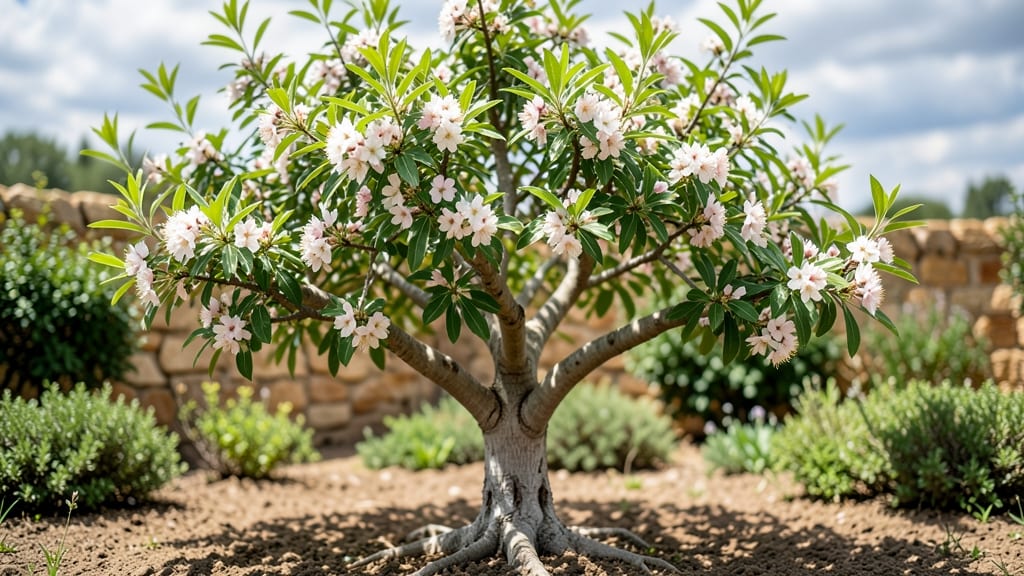
Almond trees grow best in USDA hardiness zones 5 through 9, with peak productivity in zones 6-8 where winter temperatures stay above 10°F (-12°C) and summers maintain 70-85°F (21-29°C). Cold-resistant varieties like 'Nonpareil' can survive brief drops to -15°F (-26°C) with proper winter protection.
Understanding your almond tree zone is key because these trees need specific temperature ranges to produce nuts reliably. 🌱 In colder regions like zones 5-6, you'll need to choose varieties bred for resilience and implement winter care strategies like deep mulching or windbreaks.
The right zone also affects pollination—most almonds require 200-700 chilling hours below 45°F (7°C) to set fruit properly. California's Mediterranean climate (zones 9-10) actually makes it the world's top producer, while northern growers must work harder to mimic those conditions.
What's interesting is how microclimates can shift your effective zone by 1-2 levels.
A sheltered spot near a building might protect your tree from harsh winds, while low-lying areas collect cold air. 💫 I've seen gardeners in zone 5 successfully grow almonds by planting near south-facing walls or using row covers during late frosts.
The secret is matching your variety to both the official zone AND your specific site conditions.
💡 In This Article
- USDA Zone Breakdown for Almond Tree Cultivation
- Protecting Almond Trees in Cold Zones 5-6
USDA zone breakdown for almond tree cultivation
Almond trees thrive best in USDA zones 6-8 where they experience 200-700 chilling hours below 45°F (7°C) annually—this cold period is crucial for proper bud development. In zone 6, trees typically receive 500-700 chilling hours, while zone 7 averages 300-500 hours.
California's commercial orchards (zones 9-10) actually face challenges because they often get less than 300 hours, requiring growers to use artificial chilling or select low-chill varieties like 'Carmel' or 'Sonora'.
The real magic happens in zones 6-8 where the balance of winter cold and summer warmth creates ideal conditions. For example, in zone 7, the average winter low of 5°F (-15°C) triggers dormancy, while summer highs of 85°F (29°C) fuel nut development.
In contrast, zone 5's harsher winters (-10°F/-23°C) push trees to their limits, while zone 9's milder winters (25°F/-4°C) can lead to poor pollination if chilling hours are insufficient. 🌡️
What's fascinating is how these zones interact with almond tree physiology. The trees need this cold period to break dormancy, but they also require 1,500-2,000 heat units above 50°F (10°C) during the growing season to produce nuts.
This explains why California's Mediterranean climate works so well—cool winters provide adequate chilling, while hot, dry summers create perfect ripening conditions. Northern growers must carefully select varieties that match their specific chilling hour totals.
Here's how different zones compare in practice:
- Zone 5: Only 400-600 chilling hours—requires cold-hardy varieties like 'Nonpareil' with extra winter protection
- Zone 6: 500-700 chilling hours—ideal for most commercial varieties with proper care
- Zone 7: 300-500 chilling hours—may need low-chill varieties or supplemental chilling
- Zone 8: 200-400 chilling hours—best for heat-tolerant varieties like 'Fritz'
The key difference between northern and southern growing is the balance between winter cold and summer heat. In zone 5, you're fighting to provide enough cold protection, while in zone 9, you're often dealing with insufficient winter chilling.
This is why commercial almond production is concentrated in California's zone 9-10 areas—nature provides the perfect balance there. 🌿
For home growers, understanding your specific microclimate within these zones is crucial. A sheltered spot can add 2-3°F of warmth, potentially shifting your effective zone by one level.
I've seen gardeners in zone 5 successfully grow almonds by planting against south-facing walls or using windbreaks, effectively creating a zone 6 microclimate for their trees. This local adaptation is what makes almond cultivation possible in marginal zones.