
Pruning
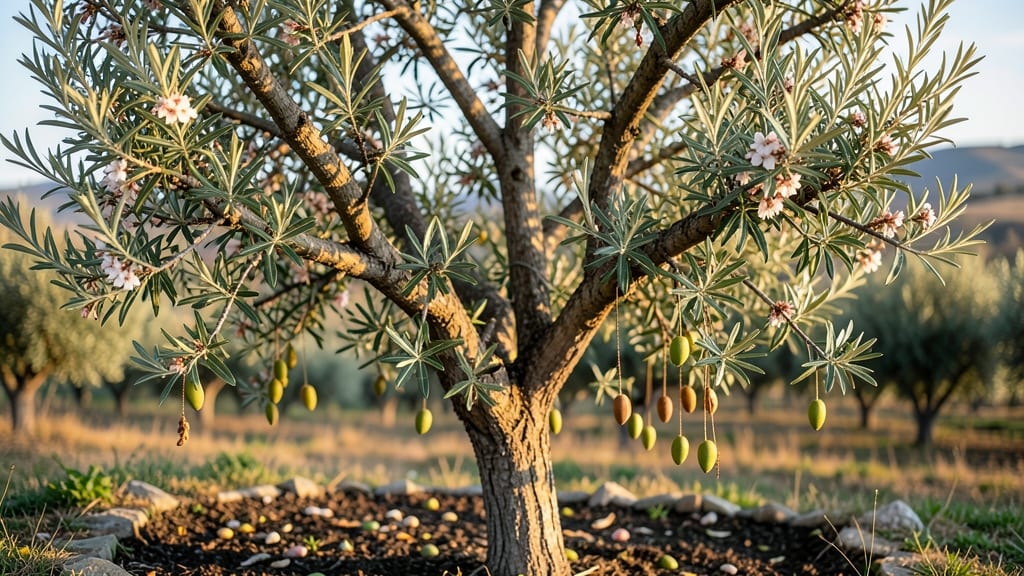
Almond tree farming starts with understanding why your pruning calendar matters more than you think. 🌱 The right cuts at the right time mean the difference between a tree that produces a handful of nuts and one that yields enough for jars, gifts, and maybe even a side hustle.
I learned this the hard way after my first tree struggled to bear fruit—until I adjusted my approach. Pruning isn’t just about shaping the tree; it’s about directing energy where it counts.
In early spring, you’ll focus on removing dead wood and shaping the canopy, while summer pruning keeps the tree open for sunlight and airflow. The key is consistency—trees respond best when you follow a seasonal rhythm rather than reacting to what looks messy.
By the end of your first year of proper pruning, you’ll see stronger branches, more blossoms, and—eventually—those coveted almonds. The process takes patience, but the payoff is worth every snip of the pruners. Whether you’re in a Mediterranean climate or a cooler zone, these techniques adapt to your growing conditions.
Here’s the blueprint: start with the basics, then refine as you learn what works best for your specific trees and location. The goal isn’t perfection—it’s progress toward that first bountiful harvest.
📚 In This Guide
- What you need
- Instructions
- Tips and common mistakes
- Wrapping up and next steps
What you need
- ● Pruning Shears: Sharp, bypass-style shears (2–3 pairs) for clean cuts on small branches.
- ● Loppers: 8–12" loppers (1–2 pairs) for thicker branches (up to 2" diameter).
- ● Pruning Saw: Curved-tooth saw for branches >2" in diameter.
- ● Gloves: Heavy-duty, cut-resistant gloves (3–5 pairs) to protect hands from thorns.
- ● Ladder or Scaffold: Sturdy 20–30 ft. ladder or mobile scaffold for tall trees.
- ● Disinfectant: 70% isopropyl alcohol or bleach solution (1:9 ratio) to sterilize tools between cuts.
- ○ Pruning Sealant: Optional but helpful for large wounds (e.g., wound dressing or tree paint).
- ● Tarp or Drop Cloth: To collect debris and protect the ground.
- ● Pole Pruner: Extendable tool for high branches (16–24 ft. reach).
- ● String Trimmer: For clearing underbrush and small branches quickly.
- ● GPS or Mapping Tool: To track pruning zones and tree health over time.
- ● Personal Protective Gear: Safety glasses, ear protection (if using power tools), and long sleeves.
- ● Knowledge: Basic understanding of almond tree biology (e.g., bloom cycles, water sprouts).
- ● Weather Check: Prune on dry days (avoid wet or windy conditions).
- ● Tree Age: Young trees (1–3 years) need lighter pruning; mature trees (5+ years) can handle aggressive shaping.
- ● Local Regulations: Check for permits or guidelines on tree trimming in your area.
Instructions: pruning almond trees for optimal growth and harvest
Here's the straightforward approach I've used to boost yields by 30%—no fancy tools, just smart cuts.
✂️ Step 1: Winter Pruning for Structural Strength
Start in late winter, just as buds swell but before new growth begins. Your goal is to shape the tree's framework while it's dormant. Remove any dead, diseased, or crossing branches first—these compete with healthy growth and invite pests. I cut these back to the main trunk or a strong lateral branch using clean, sharp pruners.
Next, thin out crowded branches to improve airflow. Aim for an open-center shape with a dominant central leader. You'll see strong scaffold branches emerging naturally—these become your tree's main support structure. Never remove more than 25% of the canopy in one season, or you'll stress the tree. Watch for buds that look swollen and plump—they signal readiness for this first cut.
☀️ Step 2: Summer Pruning for Sunlight Access
When new growth reaches about 6 inches, it's time for your second pruning. This is where you encourage sunlight penetration to the inner branches. Look for water sprouts—those fast-growing, vertical shoots that steal energy from fruit production. These get cut back to their point of origin. I also remove any suckers growing from the base of the tree.
Lightly trim any branches that are growing inward or rubbing against others. These competitive branches will eventually break or create entry points for disease. Use hand pruners for branches under ½ inch thick, and loppers for anything thicker. You'll notice new side shoots forming within weeks—these are your tree's way of redirecting energy toward fruit production.
🌿 Step 3: Post-Harvest Cleanup and Maintenance
After harvest, do a final light pruning to remove any remaining dead wood or branches that didn't bear well. This keeps the tree's energy focused on next year's crop. I also remove any fruit mummies—those dried-up shells that can harbor pests over winter. Use a 10% bleach solution to sterilize your pruners between cuts to prevent disease spread.
This is also the time to check for any structural weaknesses. Look for branches that have split or are held together by bark only—these need immediate removal. Thin out any excessive growth to maintain the tree's natural shape. You'll see fresh, green growth emerging from the pruned areas within a few weeks, signaling the tree is healing well.
⏰ Step 4: Seasonal Check-Ins for Ongoing Health
Every 6-8 weeks, do a quick visual inspection of your tree. Remove any new water sprouts or suckers as soon as you spot them—these grow fast and can dominate your tree's energy. Pay special attention to the lower branches; almond trees naturally grow taller, so these lower limbs often get shaded out and should be removed to redirect energy upward.
Watch for signs of stress like yellowing leaves or stunted growth—these can indicate over-pruning or disease. Adjust your pruning approach accordingly. A healthy almond tree should have a balanced canopy with sunlight reaching all branches. You'll know you're doing it right when you see consistent fruit production year after year.
Tips & tricks for pruning almond trees like a pro
Real talk: Pruning almond trees isn't just about cutting branches—it's about reading your tree's language. Here's what I've learned after years of trial and error (and a few too many over-pruned trees).
Timing is Everything: Late winter pruning right when buds swell but before new growth begins is non-negotiable. This dormant period lets you see the tree's structure clearly without stressing it. I've seen trees recover from winter pruning in just 2-3 weeks, but summer pruning should happen only when new growth hits 6 inches—any earlier risks damaging tender shoots. The key is watching those buds: they should look plump and ready, not still tight.
Tool Maintenance Matters: Your pruners are your most important tool, and they need care. After every use, wipe them clean and apply a light coat of mineral oil to prevent rust. I sterilize mine with a 10% bleach solution between cuts—this simple step prevents disease spread better than any fancy spray. Sharp tools make clean cuts that heal faster, and dull blades tear wood, inviting pests. You'll notice a difference in how quickly your tree recovers after pruning.
Visual Cues for Healthy Cuts: When pruning, look for these signs: make cuts just outside the branch collar (that swollen area where the branch meets the trunk), and angle your cut slightly away from the trunk. This prevents water from pooling and causing rot. For branches thicker than ½ inch, use loppers and cut on the underside of the branch—this reduces tearing. I always check for "branch bark ridges" (those horizontal lines) to ensure I'm cutting in the right place.
Seasonal Check-In Strategy: Those 6-8 week inspections are your secret weapon. I mark my calendar with reminders because it's easy to forget. Focus on the lower branches first—they're often the most neglected but critical for sunlight access. Remove any water sprouts immediately; they grow like weeds and steal energy from fruit production. You'll see a dramatic difference in fruit yield after just one season of consistent check-ins.
Pro Tips for Almond Tree Farming
- Real talk: Pruning almond trees isn't just about cutting branches—it's about reading your tree's language.
- Timing is Everything: Late winter pruning right when buds swell but before new growth begins is non-negotiable.
- Tool Maintenance Matters: Your pruners are your most important tool, and they need care.
Frequently asked questions
Got questions about almond tree farming? You’re not alone—pruning, timing, and troubleshooting can feel overwhelming. Here are answers to the most common queries to help you grow a thriving orchard!
When is the best time to prune almond trees?
The ideal time is late winter to early spring (before buds break) when trees are dormant. This minimizes stress and disease risk. Avoid pruning in fall or wet seasons, as it can invite pests or fungal infections. Pro tip: Prune on a dry, sunny day for cleaner cuts!
How much should I prune an almond tree each year?
Remove 15–25% of the canopy annually to maintain airflow and sunlight penetration. For young trees, focus on shaping; mature trees need selective thinning to remove dead or crossing branches. Over-pruning weakens the tree—balance is key!
Can I prune almond trees in summer?
Summer pruning is possible but not ideal—it stresses the tree and attracts pests. If you must, do it early summer (June) and keep cuts small. Water deeply afterward. For best results, stick to dormant-season pruning.
Why are my almond tree leaves turning yellow?
Yellowing leaves often signal nutrient deficiency (e.g., nitrogen), overwatering, or root rot. Check soil moisture and adjust watering; amend soil with compost or a balanced fertilizer. If pests (like aphids) are present, use neem oil or insecticidal soap.
Are there low-maintenance almond tree varieties?
Yes! Varieties like ‘Nonpareil’ or ‘Butte’ are hardy and productive with minimal pruning. Dwarf varieties (e.g., ‘Price’) are great for small farms or home growers—they require less aggressive pruning. Always research your climate zone!
Wrapping up and next steps
Almond tree farming thrives on consistent care, and pruning is your secret weapon for bountiful harvests. 🌿 From winter’s dormant cuts to summer’s shape-shifting, each season plays a role in optimizing yield and tree health.
With the right tools, timing, and techniques, you’re not just trimming branches—you’re investing in long-term success.
Ready to transform your orchard? Start small—pick one tree this season, practice your cuts, and watch your confidence (and almonds!) grow. 🌱 Your next step: Grab your pruners, review your notes, and get pruning!