
Plants
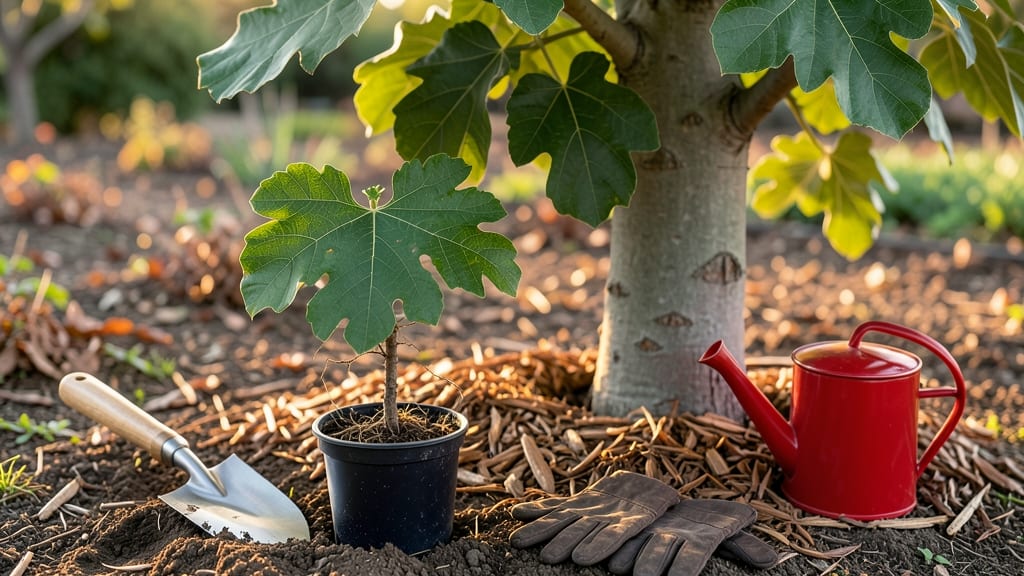
Planting a fig tree in New York after the last frost—typically mid-April to mid-May—sets the stage for a thriving 🍇 that bears fruit by summer.
But here’s the catch: Fig trees hate cold, and New York’s late frosts can turn your sapling into a sad, stunted shadow. One wrong move, and you’re staring at a winter-killed tree by October.
The good news? With the right timing and a few smart tricks, you can outsmart the climate and grow a fig tree that survives—and even thrives—in zones 5 through 8.
Whether you’re planting in-ground in the Hudson Valley or a container on a Brooklyn balcony, the key is knowing your last frost date and choosing cold-hardy varieties like ‘Celeste’ or ‘Chicago Hardy.’ These picks can handle dips down to 10°F, while tender types will bolt at the first chill.
Below, I’ll walk you through the exact planting window for your region, soil prep secrets, and how to protect your tree when fall’s first frost sneaks up. By the end, you’ll have a foolproof plan to turn your backyard—or even a sunny windowsill—into a fig orchard.
New York’s frost-free zones: where & when to plant fig trees
New York’s USDA Hardiness Zones 5–8 create a patchwork of microclimates where fig trees can thrive—or freeze. Unlike heat-loving citrus, figs tolerate brief cold snaps but cannot survive prolonged frost. The key? Planting after your region’s last average frost date and choosing varieties bred for your zone’s chill.
NYC and Long Island (Zones 7–8) enjoy 180+ frost-free days, while the Hudson Valley (Zone 6) and Finger Lakes (Zone 5) face 140–160 days. A late spring frost in May can devastate young figs, so timing your planting to mid-April to mid-June minimizes risk.
For container-grown figs, you can extend your growing season by moving pots indoors during winter.
| Region | USDA Zone | Last Frost Date | Planting Window | Risk Level |
|---|---|---|---|---|
| New York City | 7a-8a | April 15 | April 20–May 30 | Low (urban heat islands help) |
| Long Island | 7b-8a | April 20 | May 1–June 10 | Moderate (coastal breezes delay frost) |
| Hudson Valley | 6a-6b | May 1 | May 15–June 15 | High (late frosts common) |
| Finger Lakes | 5b-6a | May 10 | June 1–July 1 | Very High (short growing season) |
📍 Note: Elevation and microclimates shift dates by 1–2 weeks. Check local NOAA frost maps for precision.
In Zones 7–8 (NYC/Long Island), figs can often survive winters outdoors if mulched heavily and planted against a south-facing wall. However, young trees (under 3 years) should be winter-protected with burlap wraps or row covers.
For Zone 6 (Hudson Valley), container-growing is safest—move pots to an unheated garage or basement when temps drop below 20°F.
Upstate in Zone 5 (Finger Lakes), only cold-hardy varieties like 'Celeste' or 'Chicago Hardy' should be attempted, and even then, container culture is essential. These areas have a 90-day growing window, so prioritize early-maturing varieties.
Avoid tender types like 'Brown Turkey' unless you’re willing to dig up and store the tree each winter.
Pro tip: Use a frost clock (available at garden centers) to track cumulative chill hours. Figs need 300–600 hours below 45°F to set fruit, but too many hard freezes (<20°F) will kill the tree.
In high-risk zones, plant near blacktop or brick walls—these heat sinks can raise microclimates by 5–10°F.
Soil prep is just as critical as timing. Figs hate soggy roots—amend heavy NY clay with 50% compost and 30% perlite to ensure well-draining soil. Test your soil’s pH (aim for 6.0–7.0); figs struggle in acidic conditions.
In urban areas with compacted soil, raised beds or large containers (minimum 15-gallon pots) are ideal.
For container-grown figs, use a fast-draining mix (60% potting soil, 20% coconut coir, 20% pumice). Place pots in full sun and water when the top 2 inches of soil are dry.
In fall, reduce watering to every 10–14 days to encourage dormancy. Overwatering in winter is a common killer of potted figs.
Remember: Figs are not frost-proof, but with the right timing and variety, you can grow them successfully across New York. Start with container-grown trees if you’re in Zone 5–6, and always monitor local frost forecasts until your tree is established.
With patience, your fig tree will reward you with sweet, sun-ripened fruit by late summer—just in time for NY’s golden harvest season! 🍇
Step-by-step planting timeline: from soil prep to first harvest
New York’s fig trees demand precise timing to survive unpredictable frosts and thrive through summer’s heat. Your planting window opens mid-April to mid-May in most zones, but urban gardeners in NYC should wait until late May to avoid late-spring freezes.
Container-grown figs offer flexibility for colder microclimates, while in-ground plantings need well-draining soil amended with compost and sandy loam to prevent root rot.
Start by testing your soil’s pH (6.0–7.0 ideal) and amending with aged compost or peat moss for sandy soils. Fig trees despise soggy roots, so raised beds or mounded soil work best in heavy clay areas.
Urban gardeners can use large containers (15+ gallons) with drainage holes, but ensure they’re moved indoors before October’s first frost.
Test soil pH (aim for 6.0–7.0). Amend with compost and sandy loam for drainage. Choose a south-facing spot with 6+ hours sun.
Plant bare-root or container-grown figs after last frost. Dig a hole twice as wide as the root ball. Mulch with wood chips (3" layer) to retain moisture.
Water deeply 2–3x/week. Apply balanced fertilizer (5-10-10) in early June. Prune only to remove dead branches—never shape young trees.
Thin figs to 6–8" apart for larger fruit. Watch for aphids—spray with neem oil if needed. Reduce watering to every 7–10 days as roots deepen.
Container figs: Move indoors (50°F+). In-ground: Mulch heavily (6" layer) and wrap trunk with burlap in Zone 6. Stop fertilizing by mid-September.
Urban gardeners can extend the season by using black plastic mulch to warm soil in spring or heat-loving varieties like 'Celeste'. Monitor NY’s frost forecasts—a single 28°F night can kill tender varieties. If frost threatens, cover young trees with frost cloth and use string lights for gentle warmth.
Your fig tree’s first harvest arrives August–October, but patience is key—most trees take 2–3 years to bear fruit. Prune dormant branches in late winter (Zone 6) to encourage air flow and sunlight penetration.
With this timeline, your tree will outlast NY’s early frosts and reward you with sweet, sun-ripened figs for decades.
🍇