
Pruning
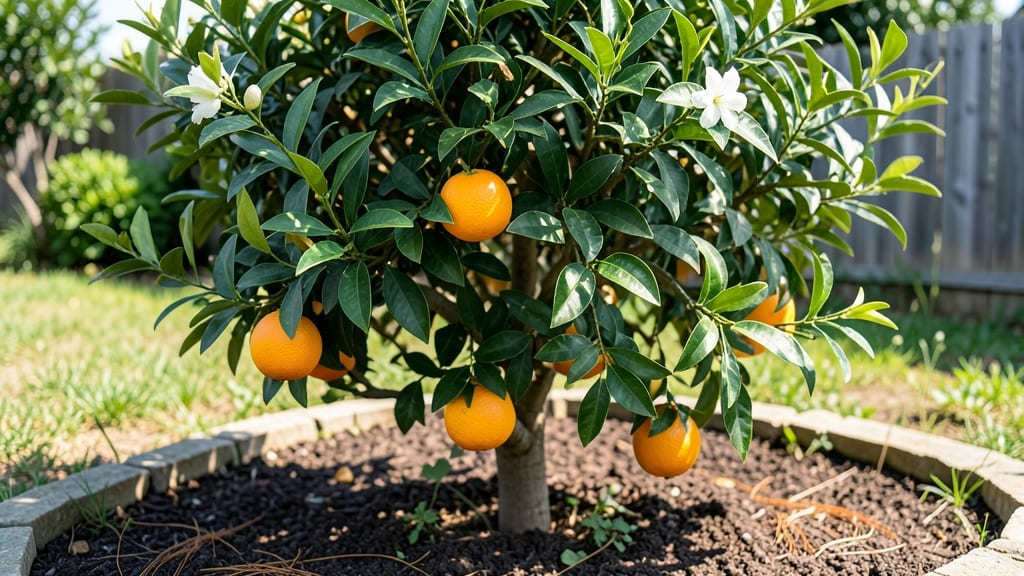
What tree has orange berries in the fall? This striking seasonal display comes from the American beautyberry, wafer ash, and eastern red cedar, which feed wildlife and brighten autumn landscapes.
These vibrant berries aren't just eye-catching—they serve as critical food sources for migrating birds and overwintering insects. 🌿 The American beautyberry's purple leaves and spiky clusters create a dramatic contrast, while wafer ash produces compound leaves with elongated berry chains.
Eastern red cedar offers year-round interest with its blue-gray needles and persistent berries that last through winter months. I always recommend planting at least one of these species if you want to support local ecosystems while adding seasonal color to your yard.
For best results, pair these trees with native shrubs like elderberry or winterberry holly to extend the berry season. The berries typically appear in late summer through fall, with some species like cedar providing food even into winter months when other plants have gone dormant.
💡 In This Article
- How to Identify Fall Orange-Berried Trees by Leaf and Bark
- Best Fall-Orange-Berried Trees for Wildlife Gardens
How to identify fall orange-berried trees by leaf and bark
Identifying these trees starts with their leaves—each has distinct characteristics that set them apart. The American beautyberry stands out with its oval-shaped, purple-tinged leaves that develop in late summer, creating a stunning contrast against its 1-inch-long orange berries clustered like tiny spiky lanterns.
These berries grow on arching stems that can reach 6-12 inches long, making them unmistakable when fully ripe in October. 🌿
The wafer ash offers a completely different leaf structure with its 5-9 compound leaflets arranged alternately along the stem, each measuring about 4-8 inches long. Its bark is smooth and gray when young but develops diamond-shaped ridges as it matures.
The berries—actually samaras—appear in 1-inch-long pairs that split open to reveal flat, papery seeds, resembling tiny orange wafers. This tree's height can reach 30-50 feet, towering over beautyberry's 3-6 foot shrub form.
For the eastern red cedar, look for its scale-like, blue-gray needles arranged in flat sprays, giving it a distinct "feathery" appearance. Unlike the other two, cedar is an evergreen, meaning it retains its foliage year-round.
Its berry-like cones (technically female cones) are ¼-inch wide and turn from green to bright orange in fall, persisting through winter. The bark is fibrous and shreddy, perfect for identifying mature specimens. 🌲
Bark texture provides another key distinction: beautyberry has smooth, reddish-brown bark that develops slight ridges with age, while ash develops those signature diamond patterns. Cedar's bark is unique—it peels in long, stringy strips, creating a textured, almost papery surface.
These differences become especially noticeable in winter when leaves have fallen, leaving only bark and berries to identify the species.
One pro tip: examine the berry clusters' arrangement. Beautyberry's berries grow in dense, grape-like bunches along arching stems, while ash's samaras dangle in pairs from slender branches. Cedar's "berries" grow in tight clusters along the branch tips, creating a uniform, bushy appearance.
These visual cues make identification straightforward once you know what to look for in your yard or local park.
Seasonal timing also helps—beautyberry berries ripen in late September to October, ash samaras mature in late summer, and cedar cones turn orange in October-November. If you're observing in December, only cedar will still have orange "berries" visible, making it the easiest to identify during winter months. 🍂