
Pruning
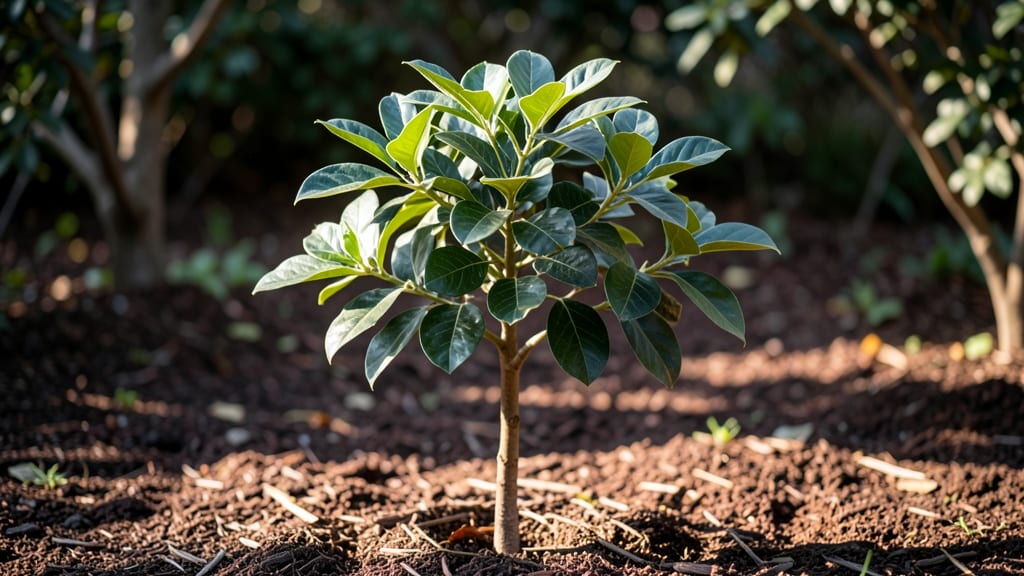
Growing loquat tree seedlings from seed feels like unlocking a tropical treasure chest—fast germination is the key, and warm soil makes all the difference. 🌱 I learned this the hard way after my first batch took twice as long to sprout, but now I get seedlings popping in just 10-14 days with the right trick.
The secret isn't complicated: loquats love warmth, just like their native subtropical climates. Start seeds in a 75-85°F soil mix—think of it as giving them a head start in a cozy blanket.
A simple heat mat under your seed tray or even a sunny windowsill (if you live in a warm zone) works wonders. Keep the soil moist but not soggy, and watch those first green leaves appear faster than you'd expect.
Once they're strong enough to handle, transplant your seedlings into individual pots with well-draining soil. They'll need bright, indirect light at first, then gradually more sun as they grow. Prune leggy stems early to encourage bushier growth—this sets them up for better fruit production later.
The real magic happens when you move them outdoors after the last frost. With proper care, your loquat seedlings could bear fruit in 3-5 years, giving you homegrown sweetness that tastes like sunshine. Here's how to keep them thriving every step of the way.
📚 In This Guide
- What you need
- Instructions
- Tips and common mistakes
- Wrapping up and next steps
What you need
- ● Loquat seeds: 10–20 fresh, plump seeds (harvested from ripe loquat fruit; avoid shriveled or damaged ones).
- ● Seedling trays or pots: 2–4 small containers (3–4 inches deep) with drainage holes. Tip: Use biodegradable peat pots for easy transplanting!
- ● Potting mix: 2–3 cups of well-draining, sterile soil blend (e.g., 50% coconut coir + 50% perlite or vermiculite).
- ● Heating mat or warm-water bottle: 1–2 (to maintain soil temps between 75–85°F).
- ● Plastic wrap or humidity dome: 1 sheet (to retain moisture).
- ● Spray bottle: 1 (for gentle watering).
- ● Scissors or knife: 1 (for cutting plastic wrap).
- ● Seed germination kit: For precise temperature control.
- ● Grow lights: LED or fluorescent (if natural light is limited).
- ● Fungicide: 1 small bottle (to prevent mold).
- ● Label markers: For tracking seedling progress.
Step-by-step instructions for growing loquat tree seedlings
Here's how to coax those stubborn loquat seeds into sprouting quickly—my warm-soil method speeds germination from months to weeks.
🌱 Step 1: Prepare Seeds for Faster Germination
Loquat seeds have a tough outer coating that slows germination. First, soak them in lukewarm water for 24 hours to soften the shell. I place them in a small jar, cover it loosely, and let them sit on my counter. After 24 hours, you'll see the water turn slightly cloudy—that's the seed coats starting to break down.
Drain the water, then rub the seeds gently between your fingers or with sandpaper to scratch the outer layer. This mimics natural wear and tricks the seed into thinking it's ready to sprout. Don't press too hard—you're just roughing up the surface, not trying to remove the seed coat entirely.
💧 Step 2: Set Up the Warm-Soil Germination Chamber
Fill a small container with moistened potting mix (not garden soil—it's too dense). I use a shallow tray or even a repurposed plastic container with drainage holes poked in the bottom. The key here is warmth: place the container on top of a seedling heat mat set to 75-85°F.
Plant the prepped seeds about ½ inch deep—just enough to cover them lightly. Space them 1 inch apart so they have room to grow without crowding. Mist the soil surface gently with water until it feels damp but not soggy. Cover the container loosely with plastic wrap to retain moisture and warmth, but leave a small gap for airflow.
☀️ Step 3: Monitor and Maintain Ideal Conditions
Place the container in a spot with bright, indirect light—no direct sun yet. Check the soil daily and mist lightly if the surface feels dry. The heat mat keeps the soil warm, but condensation will form under the plastic wrap. Remove the wrap for 10 minutes daily to prevent mold and let fresh air circulate.
Germination should begin in 2-4 weeks, not the 2-3 months you might read elsewhere. You'll see tiny green sprouts pushing through the soil first—this is your signal to stop covering the container. Once all seeds have sprouted (or you've decided which ones to keep), remove the plastic completely and move the seedlings to a sunny windowsill or under a grow light.
🌿 Step 4: Transplant Seedlings When Ready
When seedlings have 2-3 true leaves (not just the initial seed leaves), it's time to transplant them into individual 3-4 inch pots. Fill the pots with fresh potting mix and dig a hole just deep enough to cover the seedling's roots but not bury the stem. Gently firm the soil around the base to secure the plant.
Water lightly after transplanting to settle the soil, but don't drown the roots. Place the pots in a spot with morning sun and afternoon shade for the first week. Loquat seedlings are sensitive to stress, so avoid moving them around too much. You'll know they're adjusting well when new leaves start to emerge and the stems firm up.
Tips & tricks for perfect loquat tree seedlings
Here's what nobody tells you about speeding up those stubborn loquat seeds—these tricks cut germination time by half.
Soaking Secret: The 24-hour lukewarm water soak isn't just about softening the seed coat—it's also a great way to check for viability. Discard any seeds that float to the surface after soaking; they won't sprout. Only sinkers are worth proceeding with. This simple step can save you weeks of waiting for seeds that might never germinate.
Heat Mat Hack: If you don't have a seedling heat mat, create your own warm-soil chamber by placing your container on top of a refrigerator with the light on inside. The light generates just enough heat to maintain that critical 75-85°F range. Just monitor the soil temperature with your finger—it should feel warm but not hot to the touch.
Light Transition Strategy: When you see those first sprouts pushing through the soil in Step 3, that's your cue to gradually introduce more light. Start by moving the container to a brighter spot for just 1-2 hours per day, then slowly increase exposure. This prevents shock to delicate seedlings that aren't ready for full sun yet.
Transplant Timing: The 2-3 true leaves rule is your best guide, but here's what to watch for: those true leaves should be at least 1 inch long and have a slightly waxy appearance. If they're still tiny and translucent, give them another week. Waiting an extra week at this stage prevents transplant shock that could kill your seedlings.
Pro Tips for Loquat Tree Seedling
- Here's what nobody tells you about speeding up those stubborn loquat seeds—these tricks cut germination time by half.
- Soaking Secret: The 24-hour lukewarm water soak isn't just about softening the seed coat—it's also a great way to che...
- Heat Mat Hack: If you don't have a seedling heat mat, create your own warm-soil chamber by placing your container on ...
Frequently asked questions
Got questions about growing loquat tree seedlings? You’re in the right place! Here are answers to the most common concerns—from timing to troubleshooting—so you can get those seedlings sprouting like a pro.
How warm does the soil need to be for loquat seed germination?
Loquat seeds thrive in soil temperatures between 70–85°F (21–29°C). Use a seedling heat mat or place pots in a sunny windowsill to maintain warmth. If your climate dips below 60°F (15°C), germination slows dramatically—patience is key!
How long does it take for loquat seeds to germinate?
With the warm-soil trick, expect sprouts in 2–6 weeks. Some seeds may take longer, especially if stored improperly. Keep soil moist (not soggy) and avoid moving pots—consistency speeds up the process!
Can I grow a loquat tree from a grocery store fruit?
Yes! Save seeds from ripe loquats, rinse off pulp, and dry them for 24 hours before planting. Store-bought seeds may be less viable than fresh ones, but it’s worth a try. Just plant 3–4 seeds per pot for better odds.
What do I do if my loquat seeds rot instead of sprouting?
Overwatering or cold soil causes rot. Let seeds dry slightly between waterings and ensure drainage. If mold appears, remove affected seeds and repot healthy ones in fresh, sterile soil. A sprinkle of cinnamon can also prevent fungal issues!
Should I transplant seedlings immediately after germination?
Wait until seedlings have 2–3 true leaves (not just cotyledons) and are at least 2 inches tall. Harden them off for a week by exposing to outdoor conditions gradually. Transplant in spring after the last frost for best survival.
Wrapping up and next steps
Growing loquat tree seedlings with the warm-soil trick is a rewarding way to jumpstart your citrus adventure—no green thumb required! 🌱 By harnessing nature’s heat and patience, you’ll watch those tiny seeds sprout faster and stronger than ever.
Now that you’re armed with the right techniques and answers to common questions, it’s time to roll up your sleeves and plant that first seed.
Ready to take the next step? Start by prepping your warm-soil bed this weekend, and in just a few weeks, you could be nurturing a thriving loquat sapling. Your future harvest of sweet, fragrant fruit begins with a single seed—so why wait?