
Pruning
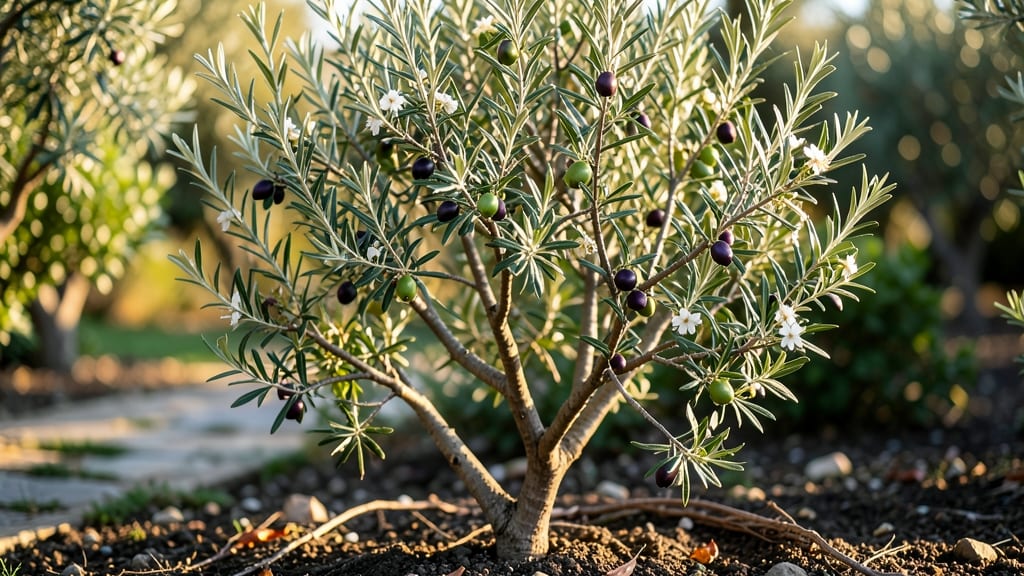
Growing a tree olive bush that produces fruit year after year starts with understanding its pruning rhythm. 🌿 I’ve learned the hard way that skipping the right cuts means fewer olives—and my first bush nearly became a tangled mess before I cracked the seasonal schedule.
The key isn’t just when to prune, but how each cut shapes the harvest for the next 12 months.
Olive bushes thrive in full sun and well-draining soil, but their pruning calendar depends on your climate. In warmer zones, you’ll prune lightly in late winter to encourage spring growth, while cooler areas can wait until early spring when frost risk passes.
The goal is to keep the center open for airflow and sunlight, which means removing 10-15% of the oldest wood each year—no more, or you’ll sacrifice next year’s crop.
By following this rhythm, you’ll see stronger branches, more olives, and easier maintenance—my bush now drops fruit from October through March, and the branches are dense enough to support the weight.
The secret? Pruning after harvest in late winter and again in summer to control vigor. Skip these steps, and you’ll end up with a bush that looks full but produces almost nothing.
This method works for both outdoor bushes and container-grown olives, though potted plants need slightly more frequent pruning to stay compact. Whether you’re in Zone 7 or 10, the principles stay the same—just adjust the timing. Let’s get those branches shaped for a bounty.
📚 In This Guide
- What you need
- Instructions
- Tips and common mistakes
- Wrapping up and next steps
What you need
- ● Pruning shears: Bypass pruners (sharp, 5–8" blades) for small branches. Quantity: 1 pair.
- ● Loppers: Heavy-duty (20–24" blades) for thicker branches. Quantity: 1 pair.
- ● Pruning saw: Curved-tooth saw for large limbs (12–16" blade). Quantity: 1.
- ● Disinfectant: 70% isopropyl alcohol or bleach solution (1 part bleach to 9 parts water) to sterilize tools.
- ● Garden gloves: Cut-resistant gloves (size medium/large) for safety.
- ○ Tarp or bucket: For collecting pruned branches (optional but handy!).
- ● Weather check: Prune on a dry, calm day (avoid wind or rain).
- ○ Safety gear: Safety glasses (optional but recommended for debris-prone areas).
- ○ Marking tools: Colored tape or paint to tag branches for future reference (optional).
- ● Compost bin: For recycling pruned branches (eco-friendly!).
Instructions for pruning your tree olive bush
Here's the seasonal approach I use to keep my olive bushes productive and healthy.
✂️ Step 1: Late Winter Pruning (Before New Growth)
Prune your tree olive bush in late winter—just as buds begin to swell but before any new growth appears. This timing ensures you remove dead or weak wood while leaving healthy growth intact. I use sharp, clean pruners to make cuts at a 45-degree angle, about ¼ inch above an outward-facing bud.
Remove any dead, diseased, or crossing branches first. These are easy to spot—they're brown, brittle, or growing inward. Next, thin out the center to improve airflow and sunlight penetration. Olive bushes respond well to this open structure, which prevents fungal diseases. Don't remove more than 25% of the plant's foliage in one season—this can stress the tree.
Watch for new leaf buds as your signal that pruning is complete. If you see fresh green growth starting, you've waited too long. Pruning too late in spring can encourage tender new growth that may get damaged by late frosts.
☀️ Step 2: Summer Light Pruning (After Harvest)
After your main harvest in late summer, do a quick check for any branches that are overcrowded or growing in awkward directions. This isn't a heavy pruning—just a light touch to maintain shape and encourage airflow. I remove any suckers (shoots growing from the base or trunk) immediately, as they divert energy from fruit production.
Look for branches that are rubbing against each other or growing inward. These create wounds where diseases can enter. A quick trim here prevents bigger problems later. You'll also want to cut back any overly long shoots that are shading the center of the plant—this keeps the interior productive.
This is also the time to shape the bush. Olive trees respond well to training, so if you want a more compact form, lightly prune to encourage branching where you want it. Just remember—olives need sunlight to ripen, so don't go overboard with heavy summer cuts.
⏰ Step 3: Fall Cleanup (Prepare for Dormancy)
In early fall, before the first frost, do a final cleanup. Remove any remaining fruit that didn't ripen—this prevents pests from hiding in the tree over winter. Also, rake up and dispose of any fallen leaves or debris, as these can harbor fungal spores.
Check for any branches that look weak or diseased. These should be pruned out completely, not just trimmed back. Olive trees are tough, but they can't recover from severe infections if left untreated. Now is also the time to sterilize your pruners with rubbing alcohol to prevent spreading any potential diseases.
Watch the weather forecast. If frost is expected within the next week, hold off on any major pruning. Olive trees can tolerate some cold, but new cuts need time to heal before winter sets in. A light cleanup is fine, but avoid heavy pruning until late winter again.
🌿 Step 4: Year-Round Maintenance Checks
Throughout the year, do quick monthly inspections. Remove any dead or dying branches as soon as you spot them—don't wait for the next scheduled pruning. Also, keep an eye out for new suckers or water sprouts (fast-growing, vertical shoots). These grow quickly and can divert energy from fruit production.
If you notice any signs of pests like scale or olive fruit flies, address them immediately. Healthy pruning practices reduce hiding spots for pests, but you'll still want to monitor regularly. A strong, well-pruned olive tree is less susceptible to infestations.
This ongoing attention pays off in better fruit production. You'll see stronger branches, more uniform growth, and a bush that's easier to harvest from. The key is consistency—don't skip seasons or you'll end up with a tangled mess that's hard to manage.
Tips & tricks for pruning your tree olive bush
Between us, the real secret to a thriving olive bush isn't just when you prune—it's how you do it. Here's what I've learned after years of trial and error with my own trees.
Tool Prep is Non-Negotiable: Before you even touch a branch, sterilize your pruners with rubbing alcohol. I do this between every cut when dealing with diseased wood—it's the only way to prevent spreading infections. Also, make sure your blades are sharp; dull pruners crush branches instead of making clean cuts, which invites disease. A quick test: if you're struggling to cut through a pencil-sized branch, your blades need sharpening.
Seasonal Timing Matters More Than You Think: In Step 1, when you're pruning in late winter, look for those tiny swollen buds that haven't broken yet—that's your exact cue. I've pruned too early and missed the window, or too late and encouraged tender new growth that got nipped by frost. Pro tip: Check your local frost dates and schedule pruning 2-3 weeks before the last expected frost. This gives new growth time to harden off before cold snaps.
The 25% Rule is Your Safety Net: Never remove more than 25% of foliage in one season, especially in Step 1. I learned this the hard way when I got overzealous and ended up with a stressed tree that struggled to produce fruit the next year. Think of it like giving your tree a haircut—you want to shape it, not shave it. If you're unsure, take photos before pruning so you can reference the original structure later.
Shape with Purpose: In Step 2, when you're doing your summer light pruning, visualize the tree's final shape. I like to create an open vase shape—this allows sunlight to reach all branches and air to circulate freely. For every cut you make, ask yourself: "Does this improve airflow or sunlight penetration?" If not, reconsider. Also, remember that olive trees grow slowly, so gradual shaping over years yields the best results.
Pro Tips for Tree Olive Bush
- Between us, the real secret to a thriving olive bush isn't just when you prune—it's how you do it.
- Tool Prep is Non-Negotiable: Before you even touch a branch, sterilize your pruners with rubbing alcohol.
- Seasonal Timing Matters More Than You Think: In Step 1, when you're pruning in late winter, look for those tiny swollen buds that haven't broken yet—that's your exact cue.
Frequently asked questions
Got questions about keeping your tree olive bush thriving? You’re not alone! Here are answers to the most common queries—from pruning timing to troubleshooting—so you can enjoy year-round harvests with ease.
When is the best time to prune a tree olive bush for maximum fruit?
Prune your tree olive bush twice a year: late winter/early spring (before buds swell) to shape the tree and remove dead wood, and summer (after harvest) to encourage new growth. Avoid heavy pruning in fall—it can stress the plant before winter dormancy.
How long does it take for a newly pruned tree olive bush to recover?
Most tree olive bushes show signs of recovery within 4–6 weeks after pruning, with new shoots emerging. Full vigor returns by the next growing season. Pro tip: Water deeply after pruning to reduce shock, and avoid over-trimming (never remove more than 25% of the canopy at once).
Can I prune a tree olive bush too much? What are the signs?
Yes! Over-pruning causes stunted growth, fewer olives, and weak branches. Watch for yellowing leaves, slow recovery, or no new shoots—these are red flags. If you’ve already overdone it, reduce pruning next season and focus on fertilizing and watering to revive the bush.
What’s the difference between pruning a tree olive bush vs. a standard olive tree?
Tree olive bushes (like Olea europaea ‘Arbequina’) are more compact and bushy, so pruning prioritizes airflow and sunlight penetration to prevent disease. Standard olive trees (taller varieties) need structural pruning to maintain a central leader. Both benefit from open-center shaping, but bushes tolerate heavier annual cuts.
Do I need special tools to prune a tree olive bush? What’s essential?
You’ll need:
- Bypass pruners (for small branches, ¼”–½” thick)
- Loppers (for thicker branches, up to 1½”)
- Pruning saw (for stubborn, woody growth)
- Gloves & sanitizer (to prevent disease spread)
Wrapping up and next steps
Mastering the art of pruning your tree olive bush unlocks a bountiful harvest year-round! By following a seasonal calendar—like light trimming in late winter, shaping in early spring, and maintenance cuts in summer—you’ll boost fruit production and keep your tree healthy. 🌿
Ready to take the next step? Grab your pruners, sketch a quick pruning plan, and start small—even a few strategic cuts make a difference! With patience and practice, your olive bush will thrive, rewarding you with delicious, homegrown fruit for seasons to come.