
Pruning
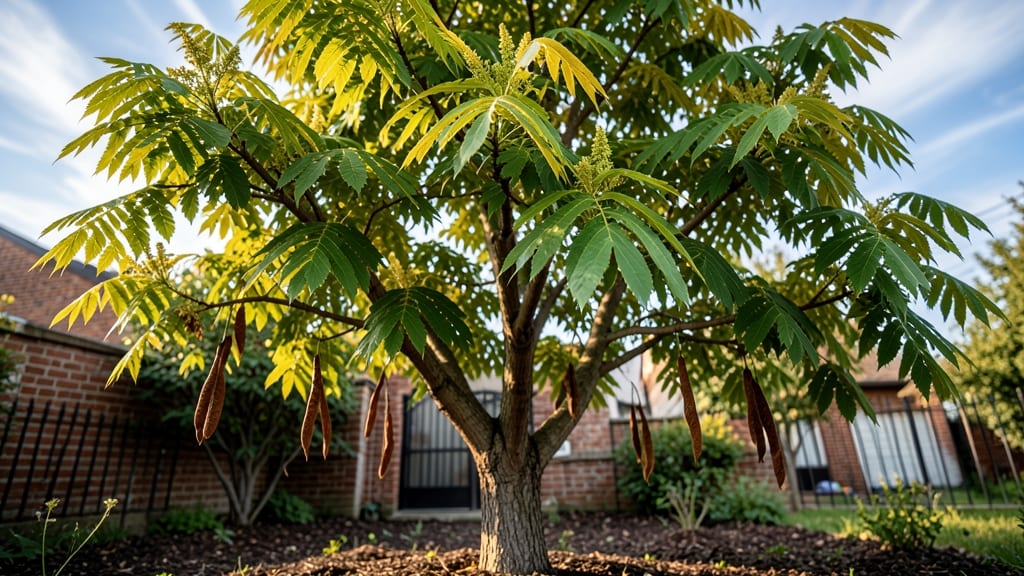
Those Tree of Heaven pods are nature’s unwanted package—full of invasive seeds that turn yards into ecological nightmares. 🌱 I’ve spent years battling this tree’s relentless spread, and I’ll show you how to stop it before it takes over your property.
The pods release seeds that sprout aggressively, crowding out native plants and making removal harder. But with the right tools and timing, you can tackle them safely—without harming your soil or local ecosystem.
By the end, you’ll have a clear plan to eliminate pods, prevent regrowth, and reclaim your yard for better plants. The key is acting fast before those seeds spread further.
Works for small patches or large infestations—just follow these three proven steps to keep this toxic invader out of your landscape.
Root Causes Of Invasive Spread
The Tree of Heaven (Ailanthus altissima) may look harmless at first glance, but its aggressive reproductive strategy turns it into a neighborhood menace. Understanding why its pods spread so relentlessly starts with biology—and a few sneaky survival tricks.
The Tree of Heaven’s pods aren’t just abundant—they’re designed to travel far and wide. Here’s how:
- Wind-assisted flight: Each pod splits into two winged segments, resembling a helicopter blade. A single tree can produce 300,000+ seeds per year, and even a light breeze carries them up to 100 feet from the parent plant.
- Animal hitchhikers: Birds, squirrels, and even humans unknowingly transport seeds. The pods’ slightly sticky texture clings to fur or clothing, ensuring new growth in unexpected spots.
- Fast germination: Seeds sprout within 1–2 weeks under ideal conditions (warm soil, indirect sunlight), giving them a head start over slower-growing natives.
Pro Tip: 🌡️ Timing matters—pods ripen in late summer to early fall, so remove them before they split to cut off the cycle.
Tree of Heaven thrives where other plants struggle. Its dominance often stems from:
| Factor | Why It Helps the Tree |
|---|---|
| Compacted or disturbed soil | Urban areas, construction sites, or footpaths lack competition, giving Tree of Heaven an open field to claim. |
| Pollution tolerance | Its roots absorb heavy metals (like lead and cadmium), making it resilient in contaminated soils where other plants die. |
| Lack of natural predators | Few insects or fungi attack it, unlike native trees. Its toxic compounds (e.g., ailanthone) deter herbivores. |
| Drought resistance | Deep roots tap into groundwater, outcompeting shallow-rooted plants during dry spells. |
Pro Tip: ✨ Test your soil—if it’s low in organic matter or heavily compacted, Tree of Heaven will exploit the gap. Amending soil with compost can weaken its grip over time.
While nature plays a role, human actions often amplify the spread:
- Unintentional planting: Nurseries sometimes sell Tree of Heaven as an "ornamental" due to its fast growth—only for it to escape cultivation.
- Landscaping neglect: Homeowners or municipalities don’t prune or remove infestations early, allowing pods to mature and spread.
- Firewood or mulch use: Burning or chipping infected wood releases viable seeds, while mulch from infested areas can replant the area.
- Lack of awareness: Many don’t recognize the tree until it’s too late. Its fast growth (3–5 feet per year!) masks its invasive nature.
Pro Tip: 🎯 Verify before you plant—check local invasive species databases (e.g., Invasive Species Info) before adding any tree to your yard.
Now that you know why these pods become a problem, the next step is how to stop them—starting with preventative removal and long-term eradication tactics.
Eradicating Invasive Pod Problems
Dealing with tree of heaven pods—or the aggressive spread of this invasive species—requires a mix of immediate action and long-term prevention. Below, we break down practical solutions tailored to the root causes of infestation, from manual removal to chemical control and habitat management.
Follow these steps to reclaim your yard or property safely and effectively.
If the infestation is small or localized, physical removal can be the most effective first line of defense.
🔪 Cut and Treat (For Small Trees/Saplings)
- Identify and Cut – Use pruning shears or a chainsaw to sever the tree at the base (or as close as possible). Target young trees first—they’re easier to remove.
- Apply Herbicide to Stumps – Immediately after cutting, apply a glyphosate-based herbicide (like Roundup) directly to the freshly cut stump. This prevents regrowth from dormant buds. - Pro Tip: 💡 Use a brush-on applicator for precision, especially in windy conditions.
- Monitor for Sprouts – New shoots may emerge from roots or buried stems. Reapply herbicide to any regrowth within a few weeks.
🌱 Digging Out Established Roots (For Large Trees)
- Expose the Root System – Use a shovel or mattock to dig around the tree, exposing as much of the root system as possible.
- Pull or Saw Through Roots – For smaller roots, pull them manually.
For thicker roots, use a pruning saw to sever them. 3. Dispose of Debris Properly – Do not compost tree of heaven wood or pods—they can sprout elsewhere. Bag and trash them immediately. - Warning: ⚠️ Wear gloves and long sleeves—the sap can irritate skin.
For larger infestations or when manual removal isn’t feasible, herbicides provide a stronger solution.
🌿 Systemic Herbicides (Best for Large Trees)
- Glyphosate (e.g., Roundup) – The gold standard for killing tree of heaven. Apply directly to cut stumps or foliage (follow label instructions for concentration).
- Triclopyr (e.g., Ortho Brush Killer) – Effective for foliar application, especially on mature trees.
Mix with water and spray thoroughly on leaves. - Pro Tip: 🌡️ Apply on a warm, windless day for maximum absorption.
🌱 Basal Bark Treatment (For Young Trees)
- Mix Herbicide with Oil – Combine triclopyr or glyphosate with horticultural oil (or diesel oil in a 1:1 ratio).
- Apply to Trunk – Paint the mixture 2–3 feet up the trunk (avoid spraying leaves to prevent drift).
- Cover with Plastic (Optional) – Wrap the treated area with plastic sheeting for 24–48 hours to enhance absorption.
If tree of heaven has taken over large areas (e.g., abandoned lots, forests), bulldozers or root rakes can help.
- Bulldoze and Chip – Heavy equipment can grind or uproot large trees, but follow up with herbicide to kill remaining roots.
- Root Raking – A root rake (or modified plow) can sever underground roots, preventing regrowth. - Caution: ⚠️ This method is best for professionals—improper use can damage soil or nearby plants.
Once you’ve removed existing trees, prevent reinfestation with these strategies:
🌳 Block Seed Dispersal
- Remove Pods Promptly – Tree of heaven pods can sprout into new plants within weeks. Rake and bag fallen pods immediately.
- Install Barriers – If nearby trees are still standing, cover the ground with mulch or landscape fabric to block light and prevent seedling growth.
🌿 Soil and Habitat Control
- Solarize the Soil – In hot climates, cover infested areas with clear plastic for 6–8 weeks to bake out seeds and roots.
- Plant Competitive Ground Covers – Dense grasses, clover, or deep-rooted perennials (like daylilies) can outcompete tree of heaven seedlings.
- Monitor Regularly – Check for new sprouts every 2–4 weeks during growing season.
📜 Legal and Community Action
- Report Infestations – Contact local agriculture extensions or invasive species task forces—they may offer free treatment programs.
- Educate Neighbors – Tree of heaven spreads rapidly. Share removal tips with nearby property owners to contain the problem.
- Reapply Herbicide – Some roots may linger for years. Spot-treat any regrowth annually.
- Consider Professional Help – For persistent or large-scale infestations, hire a certified arborist or invasive species removal service.
Final Reminder: ⏳ Patience is key—tree of heaven is tough, but consistent action will win. Start with manual removal, follow up with chemical control, and prevent future growth to keep your property free of this toxic invader.
Frequently asked questions
Are tree of heaven pods poisonous to humans or pets?
While the pods themselves aren't highly toxic upon contact, they contain compounds like ailanthone that can irritate skin or cause mild allergic reactions. The real danger lies in their seeds—if ingested by pets or small children, they can cause gastrointestinal upset. Always wear gloves when handling them and keep pets away from infested areas.
How can I tell if those brown pods are from tree of heaven?
Tree of heaven pods have a distinctive two-winged, paper-like structure that splits open when mature, revealing red seeds. They're about 1–2 inches long and grow in clusters along the tree's branches. Compare them to other pods—tree of heaven's are uniquely lightweight and designed to float on wind currents.
Will regular mowing stop tree of heaven from spreading?
Mowing alone won't eliminate established trees, but it can help control seedlings. Keep your lawn mowed at 3 inches or taller to shade out young sprouts. Combine this with regular removal of fallen pods and herbicide applications to cut off the seed supply. For best results, treat the roots with glyphosate after mowing.
Can I burn tree of heaven pods to get rid of them?
Burning is not recommended—the heat can actually activate dormant seeds in the soil, creating more problems. If you must dispose of pods, place them in a sealed trash bag and put them in the green waste bin. Never compost them, as the seeds may survive the process.
How long does it take to completely remove tree of heaven?
Complete eradication can take 2–5 years depending on the infestation size. Young trees may die within 1–2 seasons with proper treatment, while mature trees with extensive root systems may require annual herbicide applications