
Pruning
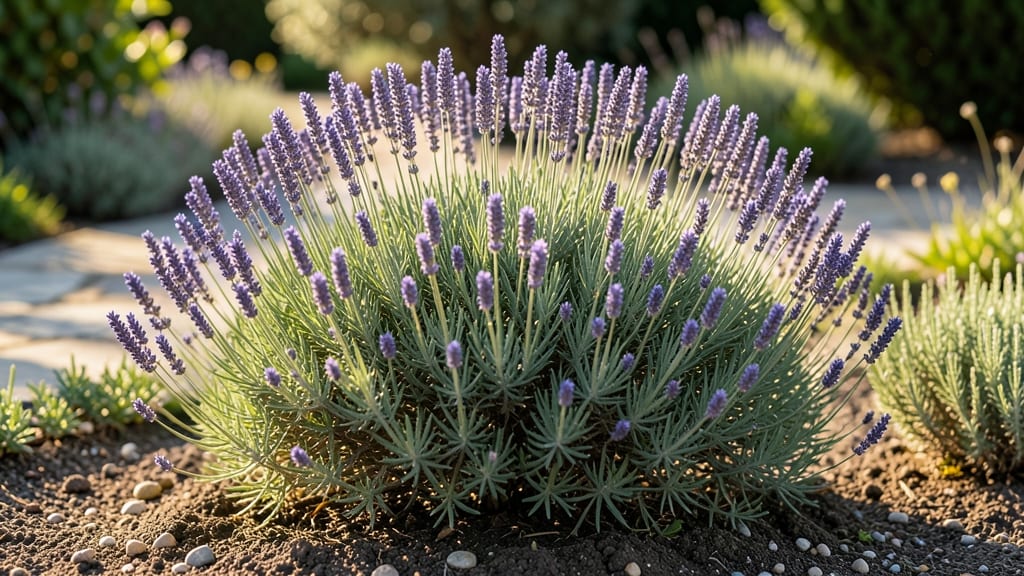
Growing lavender in a tree form turns that fragrant shrub into a living centerpiece that smells like summer all year. 🌿 I learned the hard way that pruning too late or too hard turns it into a sad, leggy stick—until I discovered the secret to maintaining that perfect, bushy silhouette.
The key isn’t just when you trim, but how you shape it from the start. This isn’t your grandma’s lavender bush. With the right soil (well-draining, slightly alkaline), 6+ hours of sunlight daily, and strategic pruning after flowering, you’ll coax those upright stems into a dense, fragrant column.
Even in small spaces, this variety thrives—just plant it where it won’t get crowded by thirsty neighbors. By mid-summer, your lavender will smell like a Provençal garden and look like a mini topiary masterpiece.
The blooms stay compact, the stems stay sturdy, and you’ll finally have that neighborhood-envy plant everyone stops to admire. The best part? It’s pest-resistant once established, so you spend more time enjoying it than fussing over it.
For design inspiration, pair it with low-growing rosemary or thyme at its base, or let it stand alone as a fragrant focal point. Just remember: patience is key—it takes a season to perfect that tree form, but the results are worth every snip.
📚 In This Guide
- What you need
- Instructions
- Tips and common mistakes
- Wrapping up and next steps
What you need
- ● Mature lavender plant(s) – Choose Lavandula angustifolia or Lavandula x intermedia (hardy, bushy varieties work best). Aim for 3-5 established plants (1-2 years old) for a fuller tree shape.
- ● Pruning shears – Bypass pruners (sharp, clean-cutting) in 3-4 inch blade size for precision.
- ● Hand pruners or loppers – For thicker stems (½-inch diameter or larger).
- ● Rubbing alcohol (70% isopropyl) – 1 small bottle to sterilize tools between cuts.
- ● Garden twine or plant ties – 1 roll (for supporting new growth during shaping).
- ● Balanced fertilizer – 10-10-10 or 5-10-10 NPK ratio (low nitrogen to avoid leggy growth). 1-2 tbsp per plant (sprinkle around base, not directly on foliage).
- ● Gloves – Leather or heavy-duty gardening gloves to protect from prickly stems.
- ● Ladder or step stool – For taller plants (4+ feet).
- ● Hose with nozzle – To rinse off sap and clean tools post-pruning.
- ● Topiary wire or copper tape – For advanced shaping (wrap around stems to guide growth).
- ● Mulch (gravel or pine bark) – 2-3 inches around the base to retain moisture and deter weeds.
- ○ Plant-based fungicide – Optional but helpful (e.g., neem oil) to prevent fungal issues from fresh cuts.
- ● Right timing – Prune in early spring (March-April) or right after flowering (avoid cutting back into old wood).
- ● Well-draining soil – Lavender hates soggy roots! Ensure your plants are in sandy or gritty soil with a pH of 6.5-7.5.
- ● Sunlight access – 6+ hours of full sun daily (partial shade may stunt growth).
- ● Patience – Tree-form lavender takes 2-3 years to reach its full, lush shape!
Step-by-Step instructions for growing tree form lavender
Here's how I transform tender lavender stems into elegant, bushy topiary trees—no pruning experience required!
🌱 Step 1: Choose the Right Variety and Planting Location
Start with compact lavender varieties like 'Hidcote' or 'Munstead'—these respond best to topiary shaping. Plant in full sun (at least 6-8 hours daily) and well-draining soil. I always amend heavy soil with sand or gravel to prevent root rot, which is lavender's #1 enemy.
Space plants 18-24 inches apart to allow room for growth. The first year focuses on establishing roots, so resist the urge to prune. You'll see strong, woody stems develop by late summer—that's your signal the plant's ready for shaping.
🪴 Step 2: Establish Proper Watering and Fertilizing Routine
Water deeply once a week during the first growing season, allowing the top 2-3 inches of soil to dry between waterings. Overwatering causes the stems to become weak and prone to disease. I use a soaker hose to deliver moisture directly to the roots without wetting the foliage.
Fertilize lightly in early spring with a low-nitrogen, high-phosphorus formula (like 5-10-5). Too much nitrogen produces lush leaves but weak stems—exactly what you don't want for topiary. Watch for new growth in 3-4 weeks as your cue to start shaping.
✂️ Step 3: First Pruning to Encourage Bushiness
When your lavender reaches 12-18 inches tall (usually late spring), it's time for the first structural pruning. Use sharp, clean pruners to cut back one-third of the current season's growth just above a leaf node. This encourages branching and creates the foundation for your tree shape.
Step back and visualize your tree form. For a classic tiered look, make 3-5 horizontal cuts at different heights, leaving the center uncut. The plant will naturally fill in between these cuts. I always prune on a dry, sunny morning—this prevents fungal issues from wet foliage.
☀️ Step 4: Maintain Shape Through Seasonal Trimming
Throughout the growing season, do light maintenance pruning every 4-6 weeks to preserve your tree form. Trim just above leaf nodes to maintain clean lines. For a dense look, pinch back new growth tips to encourage lateral branching.
In late summer, give your lavender a harder prune—cut back all stems by half to promote compact growth. This is the secret to that lush, bushy appearance. You'll see new growth emerge within 2-3 weeks, and by fall, your tree form will be fuller than ever.
⏰ Step 5: Overwinter and Prepare for Next Season
Before the first frost, give your lavender one final trim to remove any dead or diseased growth. Mulch the base with 2-3 inches of gravel to protect roots from freezing temperatures. I always cover young plants with burlap during harsh winters to prevent dieback.
In early spring, remove winter protection and prune lightly to shape. Watch for new growth in 3-4 weeks—this is your sign to start the shaping process again. With consistent care, your tree form lavender will thrive for 5-7 years or longer!
Tips & tricks for perfect tree form lavender
Transforming lavender into stunning topiary takes patience—but these pro secrets make all the difference!
Variety Matters: While 'Hidcote' and 'Munstead' are ideal starters, avoid tall varieties like 'English Lavender'—they flop under topiary weight. For faster results, choose nursery-grown plants that are already 12-18 inches tall (they skip the first year's root establishment phase). I've found that container-grown lavender adapts better to pruning than seedlings.
Pruning Precision: In Step 3, when making those 3-5 horizontal cuts, angle your pruners slightly upward (about 45 degrees) to create a natural water-shedding shape. This prevents water pooling on leaves, which causes fungal spots. Always cut just above a leaf node—never at a joint—this ensures new growth emerges exactly where you want it.
Seasonal Timing Secret: The late summer "harder prune" (cutting back all stems by half) is your secret weapon for density. I time this for late August—just before the first cool nights trigger new growth. This gives your lavender 6-8 weeks to fill out before winter dormancy. Watch for those tiny new buds emerging within 2-3 weeks—they'll become your next season's framework!
Winter Protection Hacks: For harsh climates, add an extra layer of protection by wrapping young plants with burlap AND covering with 2-3 inches of straw on top of the gravel mulch. This creates an insulating air pocket that prevents freeze-thaw cycles from cracking stems. In spring, remove protection gradually over 3-4 days to avoid shocking the plant.
Pro Tips for Tree Form Lavender
- Transforming lavender into stunning topiary takes patience—but these pro secrets make all the difference!
- Variety Matters: While 'Hidcote' and 'Munstead' are ideal starters, avoid tall varieties like 'English Lavender'—they flop under topiary weight.
- Pruning Precision: In Step 3, when making those 3-5 horizontal cuts, angle your pruners slightly upward (about 45 degrees) to create a natural water-shedding shape.
Frequently asked questions
Got questions about growing tree form lavender? You’re not alone! Here are answers to the most common ones—from pruning tips to troubleshooting—so you can cultivate a stunning, bushy lavender tree with confidence.
When is the best time to prune tree form lavender for top growth?
Prune your lavender right after flowering (late spring to early summer) to encourage dense, bushy growth. Avoid heavy pruning in fall or winter, as lavender is sensitive to cold and may not recover well. A light trim in late winter (if needed) helps shape without stressing the plant.
How much should I trim tree form lavender each year?
Start with a light trim (10–20%) of woody stems in the first year to establish shape. Over time, prune no more than 1/3 of the plant annually—focus on removing dead wood and shaping the top. Over-pruning can weaken the plant or kill it, so patience is key!
Why is my tree form lavender turning brown or dying back?
Brown tips or dieback often signal overwatering, poor drainage, or fungal issues. Ensure well-draining soil and water only when the top inch is dry. If fungal disease is suspected, prune affected areas with sterilized tools and treat with neem oil. Avoid heavy mulch near the base to prevent rot.
Can I grow tree form lavender in containers, or does it need ground planting?
Yes! Tree form lavender thrives in containers (12+ inches wide) with fast-draining soil mixed with perlite or sand. Choose a pot with drainage holes and place it in full sun. Just monitor watering closely—containers dry out faster, and lavender hates soggy roots.
Will pruning tree form lavender reduce its fragrance or flowering?
No—proper pruning enhances flowering and fragrance! Trimming after blooms encourages more buds for next season. Just avoid cutting into old wood (brown stems), as new growth produces the most aromatic flowers. A well-pruned lavender tree will reward you with abundant, fragrant blooms!
Pro Tip:
Use sharp, clean shears (sterilized with rubbing alcohol) to prune lavender. Dull tools crush stems, inviting disease. And never prune in wet weather—lavender hates humidity!
Wrapping up and next steps
Transforming your lavender into a stunning tree form is all about patience, precision, and a little creativity! 🌿 With the right tools, timing, and techniques—like strategic pruning, proper spacing, and consistent care—you’ll soon enjoy a lush, bushy lavender masterpiece that adds elegance to any garden.
Whether you’re a beginner or a seasoned gardener, the key is to start small, stay consistent, and trust the process.
Ready to elevate your garden? Grab your pruners, sketch your vision, and get growing! Next up: Experiment with different shapes, share your progress, and watch your lavender thrive like never before. 🌟