
Container Gardens
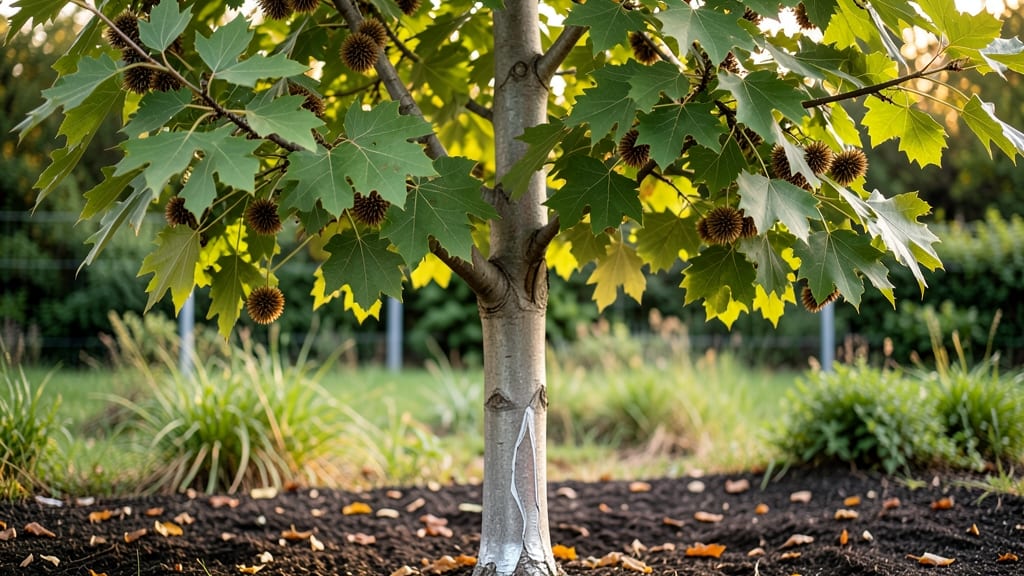
Sweet gum trees thrive in USDA growing zones 4 through 9, where they handle freezing winters and scorching summers while growing in most soil types. For best success, plant them in early spring or fall to let roots establish before temperature extremes hit.
These hardy trees naturally grow across the southeastern U.S., from Virginia to Texas, proving their adaptability to both humid climates and occasional drought. 🌳 In colder zones (4-6), they handle temperatures down to -20°F, while in warmer zones (7-9), they thrive with minimal care.
The key to their success lies in their deep root system and ability to tolerate poor soil—whether it's clay, sandy, or slightly acidic. I always recommend testing soil pH before planting, as sweet gums prefer slightly acidic conditions (6.0-7.0) for optimal growth.
When planting in containers, choose a large pot with drainage holes and use a well-draining mix. Urban gardeners often struggle with compacted soil, so adding compost or peat moss helps mimic their natural forest-floor environment.
For container-grown trees, water deeply after planting and maintain consistent moisture during the first growing season.
💡 In This Article
- Sweet Gum Tree Climate Adaptations and Zone-Specific Care
- Best Planting Months by Region for Sweet Gum Trees
Sweet gum tree climate adaptations and zone-specific care
Sweet gum trees (Liquidambar styraciflua) owe their wide adaptability to a combination of biological traits and evolutionary history. Their natural range spans the southeastern U.S., where they evolved to handle both freezing winters and intense summer heat.
The species' cold hardiness comes from its ability to enter dormancy when temperatures drop below 20°F, with younger trees showing slightly less resilience than mature specimens.
In zone 4, where winters can reach -20°F, established trees develop a thick bark that insulates the cambium layer, preventing frost damage to critical growth tissues.
Heat tolerance is equally impressive, thanks to their deep taproot system that reaches 15-20 feet underground, accessing moisture during droughts. This root structure also allows them to stabilize in poor soils, from heavy clay to sandy loam, though they prefer slightly acidic conditions (pH 6.0-7.0).
The star-shaped leaves contain compounds that reduce water loss through transpiration, a clever adaptation for their native habitat where summer temperatures often exceed 90°F for months at a time. 🌡️ In urban environments, microclimates become crucial—trees planted near buildings may experience 5-10°F warmer temperatures than rural counterparts, requiring slightly more frequent watering.
The tree's drought resistance stems from its ability to close leaf stomata during dry spells, reducing water vapor loss. However, this adaptation makes them vulnerable to stress when planted in compacted urban soils.
In zone 9, where summer heat persists year-round, sweet gums benefit from afternoon shade during their first growing season.
The key difference between zones lies in watering frequency: Northern zones (4-6) need supplemental watering only during prolonged dry spells, while Southern zones (7-9) may require 1-2 inches of water weekly during peak summer months.
For urban gardeners, container planting presents unique challenges. Sweet gums in pots need 10-15% more frequent watering than ground-planted trees due to limited root space. The container soil mix should include 30% compost to improve moisture retention while preventing root rot.
In zones 5-7, where spring frost can occur after planting, using frost blankets for container-grown trees during their first winter provides critical protection for tender roots still establishing in the new environment.
One fascinating adaptation is their ability to grow in both full sun and partial shade, though optimal growth occurs with 6-8 hours of direct sunlight daily. In zone 8, where humidity levels often exceed 70%, sweet gums develop thicker leaves to reduce fungal infections common in wet climates.
The tree's flexible growth habit makes it ideal for both rural landscapes and urban streetscapes, though pruning young trees to develop a strong central leader is essential in windy zones (like coastal areas of zone 9) to prevent storm damage.
When comparing sweet gums to other shade trees like oaks or maples, their ability to thrive in USDA zones 4-9 without specialized care stands out. While oaks require well-drained soils and maples prefer slightly alkaline conditions, sweet gums demonstrate remarkable versatility.
This adaptability explains why they're commonly planted in highway medians, parks, and residential yards across their range—from the Appalachian Mountains to the Gulf Coast. 🌳