
Pruning
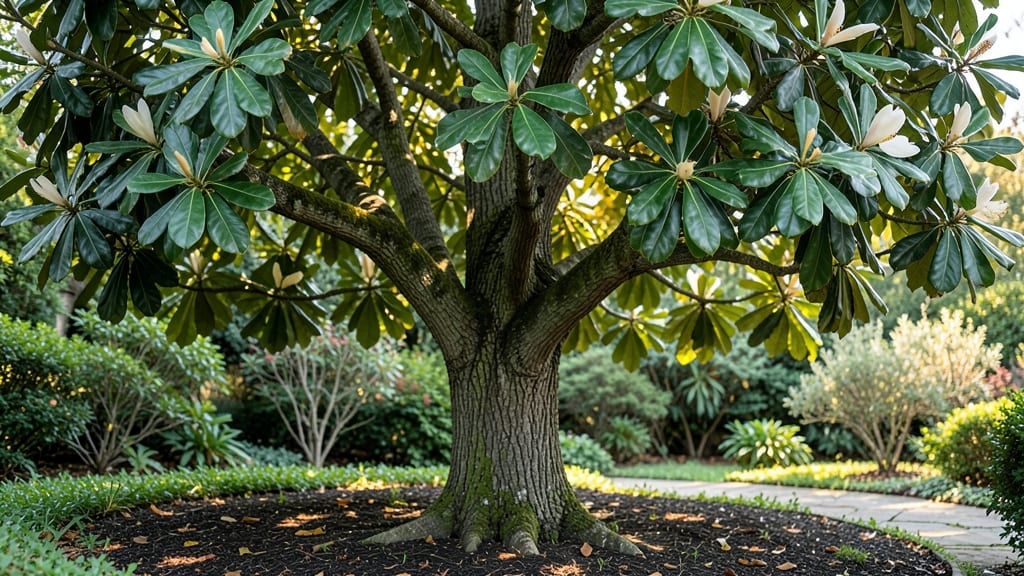
The southern magnolia tree bark is what makes this evergreen stand out—its thick, layered armor that tells a story of resilience and beauty. 🌳 I’ve watched mine develop those dramatic ridges and grooves over the years, and it’s not just about looks; healthy bark means a thriving tree that fights off pests and disease better than any other part.
The key to keeping it that way? Pruning with purpose and knowing when to step in before cracks or peeling become a problem.
This isn’t just about snipping branches—it’s about preserving the bark’s integrity. Southern magnolias have thick, dark gray-brown bark that naturally peels in papery layers, but when it starts cracking or oozing sap, that’s your tree crying for help.
The right pruning technique keeps the canopy open, improves air circulation, and prevents moisture buildup where pests and fungi love to hide. Think of it like giving your tree a spa day: less stress, more strength.
What you’ll notice first is how the bark’s texture deepens with age—those bold, textured ridges become more pronounced, adding character to your landscape. But here’s the secret: prune in late winter or early spring when the tree is dormant, and always use clean, sharp tools to avoid tearing the bark.
A little care now means your magnolia will reward you with those iconic snow-white blooms and lush foliage for decades.
Even the most experienced gardeners make mistakes—like pruning too late in the season or using dull tools that strip the bark. I’ve learned the hard way that patience pays off: a well-maintained magnolia can live for 100 years or more, its bark becoming a masterpiece of natural art.
Let’s get into how to keep yours in top shape without the guesswork.
📚 In This Guide
- What you need
- Instructions
- Tips and common mistakes
- Wrapping up and next steps
What you need
- ● Pruning shears: Sharp, bypass-style shears (for cuts under ½ inch thick). Quantity: 1 pair.
- ● Loppers: Heavy-duty, bypass or anvil-type (for cuts up to 2 inches thick). Quantity: 1 pair.
- ● Pruning saw: Curved-tooth saw for larger branches (3+ inches thick). Quantity: 1.
- ● Gloves: Heavy-duty, cut-resistant (Southern Magnolia bark is rough!). Quantity: 1–2 pairs.
- ● Ladder: Sturdy, extendable (tall enough to reach the tree’s canopy). Quantity: 1.
- ● Disinfectant: 70% isopropyl alcohol or bleach solution (1 part bleach to 9 parts water) to sterilize tools. Quantity: Small bottle or spray bottle.
- ○ Pruning sealant: Optional but recommended for large cuts (e.g., Tanglefoot Tree Wound Pruning Seal). Quantity: Small tube.
- ● Tarp or drop cloth: To collect debris. Quantity: 1 (size depends on tree).
- ● Safety gear: Safety glasses
- ● Long sleeves/pants (to protect from thorns)
- ● Closed-toe shoes or boots
- ● Extension pole pruners: For high branches without a ladder.
- ● Work gloves with grip: For better control on slippery branches.
- ● Tree wound dressing: Alternative to sealant (e.g., Ortho Tree Seal).
- ● Camera or sketchpad: To document the tree’s structure before pruning.
- ● Budding oil or pruning paste: For extra protection on fresh cuts.
How to prune southern magnolia for stunning bark texture
Here's the approach I use to reveal that gorgeous layered bark while keeping your magnolia healthy and strong.
✂️ Step 1: Identify and Remove Dead or Crossing Branches
Start by examining the tree for branches that are completely dead, diseased, or crossing each other. Southern magnolias naturally grow with a dramatic, layered look, but deadwood can ruin that effect. Use clean, sharp pruning shears to make cuts just outside the branch collar—the swollen area where the branch meets the trunk. This prevents unsightly stubs and promotes faster healing.
I always prune dead branches first because they're the easiest to spot and remove. Look for branches without leaves in late winter or those with dark, shriveled leaves. Cutting these early gives your tree a clean start and prevents pests from moving into the dead wood. Remember, the goal is to open up the canopy so light reaches the lower trunk, enhancing that beautiful bark texture.
🌿 Step 2: Thin the Canopy for Better Airflow and Light
Southern magnolias can get quite dense, which is great for shade but not so great for showcasing that stunning bark. Selectively remove branches that are growing inward or rubbing against others. These are the ones that create weak points and block light from reaching the trunk. Aim to thin the canopy by about 25%—this is enough to improve airflow and let sunlight hit the lower trunk without over-pruning.
I like to work from the inside out, starting with the smallest branches first. This prevents creating large, open wounds that take longer to heal. When thinning, make your cuts just outside a lateral branch or bud that's growing in the direction you want the remaining branch to grow. This encourages the tree to fill in naturally while maintaining that layered look.
☀️ Step 3: Shape the Tree to Highlight Bark Texture
This is where you get to play with the natural shape of the magnolia. Step back and look at the tree as a whole—you want to emphasize the layered, peeling bark that's so characteristic of southern magnolias. Remove any branches that are growing straight up or down, as these can make the tree look too rigid. Instead, focus on preserving branches that create a more natural, flowing silhouette.
For a more dramatic effect, you can lightly shape the outer edges of the canopy by shortening some of the longer branches. Just trim the tips back to a lateral branch or bud, being careful not to remove more than 25% of the branch length in one season. This keeps the tree looking full and healthy while still allowing that incredible bark to shine. Think of it like framing a painting—the branches should draw attention to the masterpiece, which in this case is the bark.
⏰ Step 4: Prune at the Right Time for Best Results
The best time to prune a southern magnolia is late winter or early spring, just before new growth begins. This timing gives the tree plenty of time to heal before the stress of summer heat and potential pests. Avoid pruning in fall, as this can stimulate new growth that won't have time to harden off before winter. If you must prune in summer, do it early in the season and keep it minimal to avoid stressing the tree.
After pruning, clean up all the debris and dispose of it properly. Don't leave cut branches lying around the base of the tree, as this can attract pests and disease. I also like to apply a thin layer of mulch around the base of the tree to help retain moisture and protect the roots. Just keep it a few inches away from the trunk to prevent rot. With the right pruning, your southern magnolia will reward you with that stunning, layered bark for years to come.
Tips & tricks for perfect southern magnolia pruning
Transforming your magnolia into a stunning bark showcase takes more than just cutting branches—here's what I've learned after years of perfecting this art.
Branch Collar Precision: When making cuts in Step 1, don't just guess where the branch collar is—look for that swollen ridge where the branch meets the trunk. I've made the mistake of cutting too close to the trunk, which creates ugly wounds. Use a ruler or your fingers to measure about 1/8 inch outside the collar. This tiny detail makes all the difference in how cleanly your tree heals.
Canopy Thinning Strategy: In Step 2, when aiming to thin by 25%, work in sections rather than all at once. Start with the upper canopy first, then move downward. This creates a gradual light exposure that lets your tree adjust. I learned this the hard way—removing too much at once shocked my tree and caused stress. Think of it like opening curtains gradually to let light in.
Bark-Friendly Shaping: For Step 3's shaping, focus on preserving the natural branching pattern rather than creating symmetry. Southern magnolias grow with a wild, organic beauty—don't try to make it look like a formal hedge. Look for branches that create interesting angles and preserve those. The goal is to highlight the bark's natural peeling pattern, not create geometric perfection.
Seasonal Timing Secret: The late winter/early spring window in Step 4 is critical, but there's more to it: aim for temperatures between 40-50°F. If you're in a warmer climate, you can extend this to very early spring. I've found that pruning when days are still cool but nights are warming up gives the tree the best chance to heal before summer stress. Watch for bud swell as your cue—it means new growth is about to begin.
Pro Tips for Southern Magnolia Tree Bark
- Transforming your magnolia into a stunning bark showcase takes more than just cutting branches—here's what I've learned after years of perfecting this art.
- Branch Collar Precision: When making cuts in Step 1, don't just guess where the branch collar is—look for that swollen ridge where the branch meets the trunk.
- Canopy Thinning Strategy: In Step 2, when aiming to thin by 25%, work in sections rather than all at once.
Frequently asked questions
Got questions about southern magnolia tree bark and how it ties into pruning? Here are some of the most common queries—plus quick answers to keep your tree thriving!
How do I identify healthy vs. unhealthy southern magnolia bark?
Healthy bark is thick, grayish-brown, and deeply furrowed with a rough texture. Look for peeling patches or blackened streaks—these can signal disease (like anthracnose) or pest damage (e.g., scale insects). Scrape a small area gently: green underneath? That’s mold or rot. Prune affected branches in late winter to prevent spread.
When is the best time to prune for bark health?
The ideal window is late winter to early spring (Feb–March), before new growth starts. This minimizes stress and lets wounds heal before summer heat. Avoid pruning in fall—it encourages late-season growth that’s vulnerable to cold damage. Pro tip: Use sterilized tools to prevent bark infections!
Can I prune southern magnolia bark to change its texture?
No—you can’t alter the bark’s natural ridges or grooves, but you can shape the tree’s structure to highlight its dramatic texture. Focus on open-center pruning to improve airflow and reduce dense growth. Remove crossing branches or deadwood at the branch collar to keep the bark’s aesthetic intact.
How do I protect magnolia bark from pests or weather damage?
Preventative care is key! Apply a light mulch layer (3–4 inches) to shield roots and bark from temperature swings. For pests, neem oil or horticultural oil (applied in dormant season) works wonders. After storms, inspect for splits or cracks—seal minor damage with pruning sealant (optional for magnolias, but helps in high-wind areas).
What’s a good alternative if my magnolia’s bark is damaged beyond repair?
If bark loss is severe (e.g., peeling in large sheets or exposed wood), consider cultural fixes first: improve drainage, adjust watering, and boost soil health with compost or mycorrhizal fungi. For cosmetic concerns, plant companions like crape myrtle or oakleaf hydrangea nearby—their textures complement magnolia’s drama. If the tree is dying, removal may be necessary.
Wrapping up and next steps
The southern magnolia tree bark isn’t just a stunning visual—it’s a testament to nature’s layered artistry and a gardener’s dream when pruned with care. By mastering the techniques shared here, you’ll unlock a dramatic, healthy canopy that stands out in any landscape.
Ready to transform your outdoor space? Grab your tools and start pruning with confidence!
🌿 Next Steps:
- Schedule a pruning session during late winter or early spring for optimal growth.
- Monitor your tree for signs of stress or pests and adjust care as needed.
- Share your progress! Snap photos of your magnolia’s transformation and inspire others.