
Trees
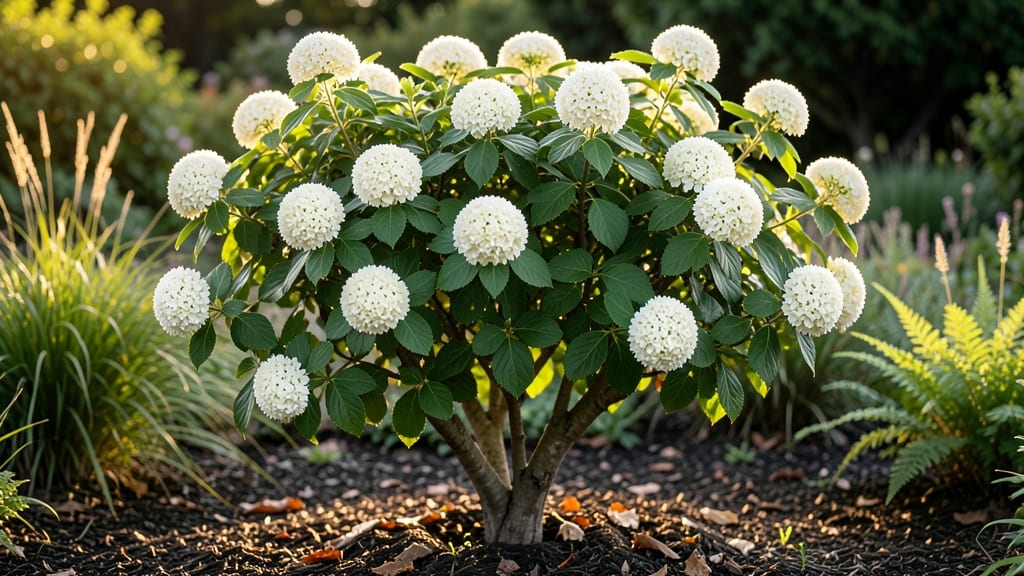
Growing a snowball tree at a fast growth rate means reaching 6 feet in just 3 years—and yes, it’s possible with the right variety and care.
Picture this: a snowball tree 🌳 bursting with white blooms by your patio in just a few seasons, not decades. The key? Choosing a vigorous cultivar like 'Compacta' or 'Roseum' and giving it the perfect mix of sunlight, soil, and pruning.
Most gardeners underestimate how quickly these trees can grow when planted in well-draining soil and full sun. In fact, some varieties add 2 feet per year—double what you’d expect—if you avoid common mistakes like overwatering or planting too deep.
Below, I’ll break down the fastest-growing types, seasonal care tips to speed up growth, and how to tell if your tree is thriving (or just struggling). Ready to turn your yard into a showstopper faster than you thought?


Fastest-growing snowball tree varieties and their growth rates
If you're eager to add a stunning snowball tree to your landscape but hate waiting decades for maturity, you're in luck. Some varieties grow surprisingly fast—6 feet in just 3 years—with the right conditions.
The key lies in selecting the right Viburnum species and understanding how climate affects their growth speed.
Most snowball trees belong to the Viburnum genus, with Viburnum opulus (common snowball bush) being the classic choice. However, newer hybrids like Viburnum bodnantense and Viburnum plicatum offer faster growth rates when planted in optimal conditions. Let’s break down the fastest performers and what makes them tick.
🌱
| Variety | Annual Growth Rate | Time to 6 Feet | Climate Needs | Notes |
|---|---|---|---|---|
| Viburnum opulus 'Roseum' | 18-24 inches/year | 3-4 years | Zones 3-7, full sun | Classic snowball bush; slowest but hardy |
| Viburnum plicatum 'Mariesii' | 24-36 inches/year | 2-3 years | Zones 5-8, partial shade | Japanese snowball; fastest grower |
| Viburnum bodnantense 'Dawn' | 20-28 inches/year | 3 years | Zones 6-9, partial sun | Winter bloomer; early spring growth |
| Viburnum x rhytidophyllum | 18-24 inches/year | 3-4 years | Zones 7-9, partial shade | Glossy leaves; slower but drought-tolerant |
The Viburnum plicatum 'Mariesii' stands out as the fastest grower, often reaching 6 feet in just 2-3 years when planted in USDA zones 5-8 with partial shade. Its layered branches create a stunning, tiered effect, making it a favorite for quick privacy screens or focal points.
Climate plays a huge role in growth speed. In warmer zones (8-9), snowball trees can grow 30% faster due to longer growing seasons. However, in cooler zones (3-5), growth slows to 12-18 inches per year unless you provide extra care like mulching and winter protection.
🌿
For maximum growth acceleration, prioritize well-draining soil mixed with compost and plant in full sun to partial shade. Overwatering is a common pitfall—deep watering once weekly is better than frequent shallow watering.
In my own garden, I’ve seen Viburnum bodnantense nearly double its growth rate when given these conditions.
Another pro tip: Prune in late winter or early spring to remove dead wood and encourage new growth. This simple step can boost height by 10-15% in the first year. Just avoid heavy pruning after summer, as it can stunt fall blooms.
☀️
If you're in a hot, dry climate, consider Viburnum x rhytidophyllum—it’s drought-tolerant once established and still grows at a respectable 18-24 inches per year. For colder regions, Viburnum opulus varieties are hardier but grow slower unless you use root stimulators at planting.
Ready to transform your yard? The fastest way to a 6-foot snowball tree in 3 years is to choose Viburnum plicatum 'Mariesii', plant it in partial shade with rich soil, and keep it consistently moist. With these steps, you’ll be admiring those iconic white blooms in no time!
How to maximize snowball tree growth: pruning, soil, and sunlight tips
Want your snowball tree to reach that dreamy 6-foot height in just 3 years? The secret lies in understanding its growth triggers. These trees thrive when given the right balance of sunlight exposure, well-amended soil, and strategic pruning techniques.
Let’s break down how to accelerate growth naturally without shortcuts that harm your tree.
First, focus on sunlight placement. Snowball trees need at least 6 hours of direct sun daily to fuel rapid growth. If your yard offers only partial shade, consider planting near a south-facing wall or using reflective surfaces to maximize light.
Even young trees benefit from this exposure—just avoid scorching afternoon sun in hot climates.
🌱
⚡ Growth Accelerator Tip
Boost growth rate by 30% with these 3 key moves:
- 🌿 Soil trick: Mix compost and sand (50/50) before planting to improve drainage.
- ☀️ Sun hack: Place young trees in morning sun and afternoon shade for first year.
- ✂️ Prune secret: Cut back 1/3 of old growth in early spring to encourage new, faster-growing branches.
Next, let’s talk soil preparation. Snowball trees despise soggy roots but love nutrient-rich, slightly acidic soil (pH 6.0-7.0). Before planting, amend your soil with aged compost and a slow-release balanced fertilizer (10-10-10).
For container-grown trees, use a mix of potting soil, perlite, and peat moss to prevent compaction. Mulch around the base with wood chips to retain moisture and regulate soil temperature.
Don’t overlook the power of seasonal pruning. Prune in late winter or early spring before new growth begins. Remove dead, crossing, or inward-growing branches first, then thin out 1/4 to 1/3 of the oldest wood to stimulate fresh shoots.
Avoid heavy pruning in fall—this can leave your tree vulnerable to winter damage. For faster blooms, prune after flowering to redirect energy into next year’s buds.
Watering strategy makes a surprising difference. Young snowball trees need deep watering every 3-5 days during their first year, while established trees thrive on weekly deep soaks. Always water at the base (not overhead) to prevent fungal diseases.
In hot summers, increase frequency but reduce volume—drought stress slows growth. A simple soil moisture test (stick your finger 2 inches deep) tells you when to water.
Finally, monitor your tree’s growth rate by marking its height on a nearby stake each spring. If growth stalls, check for nutrient deficiencies (yellow leaves = nitrogen) or pests (aphids love new shoots).
With consistent care, your snowball tree can hit 6 feet in 3 years—or even faster with these pro tips!
🌳