
Trees
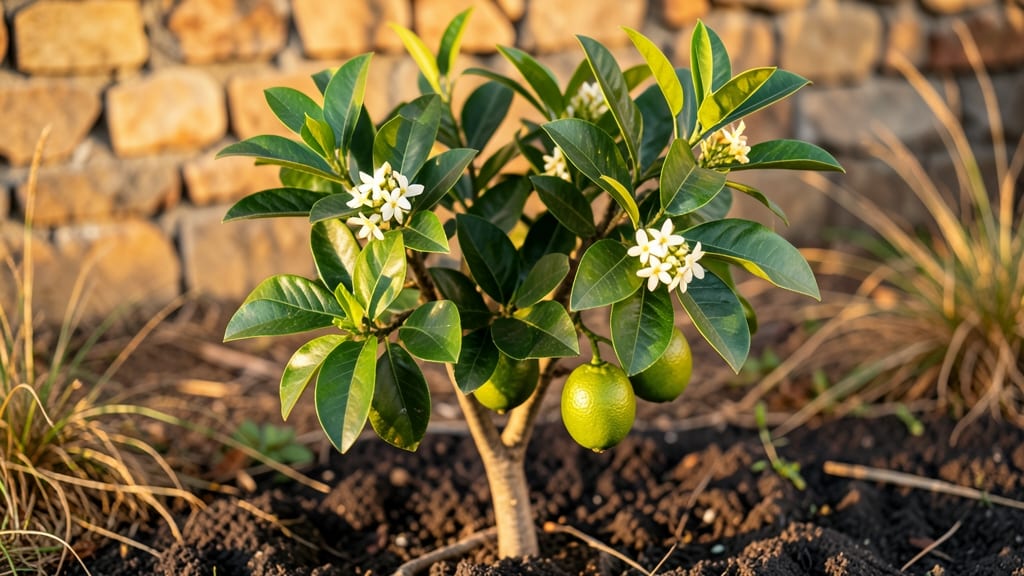
Your sitaphal tree leaves are the secret weapon for pest control—and you don’t need harsh chemicals to make them work. 🌿 The first step is identifying what’s actually chewing on your leaves: aphids cluster on new growth, mites hide on undersides, and fungal spots look like dusty gray patches.
Each problem needs a different fix, but the good news is these solutions are simple, organic, and effective.
Start with a neem oil spray (2 tablespoons per gallon of water) for pests—it smothers soft-bodied insects like aphids and mites within 24 hours.
For fungal diseases, copper-based fungicide or a homemade baking soda mix (1 tablespoon baking soda + 1 teaspoon dish soap + 1 quart water) stops leaf spot in its tracks.
Prevent future issues by pruning infected leaves immediately and keeping the tree well-watered but not soggy—dry soil stresses plants and invites pests.
📚 In This Guide
- What you need
- Instructions
- Tips and common mistakes
- Wrapping up and next steps
What you need
- ● Fresh Sitaphal leaves: 10–15 medium-sized, healthy leaves (harvested from organic trees, if possible). Look for vibrant green, unblemished leaves with no signs of pest damage.
- ● Sharp pruning shears or scissors: For clean cuts without crushing the leaves.
- ● Clean, dry containers: Glass jars, airtight bags, or paper envelopes for storage.
- ○ Silica gel packets (optional but recommended): 1–2 packets to absorb moisture during drying.
- ● Food-grade dehydrator or oven: For even drying (set to low heat, 95–115°F (35–46°C)).
- ● Newspaper or paper towels: To line drying trays and absorb excess moisture.
- ● Labeling tags: To mark dates and uses (e.g., "Culinary," "Medicinal").
- ● Mortar and pestle: For crushing dried leaves into powder for teas or pastes.
- ● Fine-mesh strainer: To sift powdered leaves for smooth textures.
- ● Vacuum sealer: For long-term preservation (extends shelf life to 1–2 years).
- ○ Essential oil diffuser (optional): If infusing leaves with oils for aromatherapy.
- ● Ensure the Sitaphal tree is not treated with pesticides—organic sources are ideal for culinary/medicinal use.
- ● Harvest leaves in the early morning when essential oils are most potent.
- ● Wear gloves if you have sensitive skin (some leaves may cause mild irritation).
Step-by-step guide to harvesting and preserving sitaphal tree leaves
Here's how I collect and store these fragrant leaves for months of flavorful cooking.
🌿 Step 1: Identify and Select Mature Leaves
Harvest only the largest, healthy leaves from the outer branches of your sitaphal tree. Look for leaves that are fully unfurled and deep green in color—these contain the most flavor. Avoid yellowing or spotted leaves, as they can affect taste and quality.
I like to work in the early morning when the leaves are still cool and hydrated. Use clean, sharp pruning shears to cut stems about 1-2 inches below the leaf attachment point. This prevents damage to the tree and encourages new growth. Gather 4-6 leaves per harvesting session to ensure you have enough for preservation.
🌱 Step 2: Clean and Prepare the Leaves
Spread the leaves out on a clean, dry surface and gently brush off any dirt or debris with a soft brush or cloth. Avoid washing the leaves unless absolutely necessary, as excess moisture can lead to spoilage during preservation. If you must wash them, pat them dry immediately with a paper towel.
Remove any damaged or discolored sections from the leaves using a sharp knife. I find that trimming the edges slightly helps remove any hidden pests or imperfections. Once cleaned, lay the leaves flat on a clean kitchen towel to air-dry for 10-15 minutes to ensure they’re completely dry before moving to the next step.
☀️ Step 3: Dry the Leaves for Preservation
Preheat your oven to its lowest setting, usually around 170°F. Line a baking sheet with parchment paper and arrange the cleaned leaves in a single layer, ensuring they don’t overlap. This allows for even drying and prevents mold growth.
Place the baking sheet in the oven and prop the oven door open slightly with a wooden spoon to allow moisture to escape. Bake the leaves for 2-3 hours, checking periodically to ensure they’re drying evenly. You’ll know they’re ready when they’re completely dry, brittle, and easily crumble between your fingers.
🪴 Step 4: Store the Dried Leaves Properly
Once the leaves are fully dried, allow them to cool completely before storing. Transfer the dried leaves to an airtight container, such as a glass jar or a resealable plastic bag with a zipper. I like to crush the leaves lightly with my fingers before storing to release their aromatic oils and make them easier to use in cooking.
Store the container in a cool, dark place, such as a pantry or cabinet. Properly stored, the dried sitaphal leaves will retain their flavor for up to 6 months. Label the container with the date to keep track of freshness. For longer storage, you can also vacuum-seal the leaves to extend their shelf life even further.
⏰ Step 5: Use the Preserved Leaves in Cooking
When ready to use, simply crush a small handful of dried leaves between your palms to release their fragrance. Add them to soups, curries, or marinades just before serving to preserve their flavor. I often use about 1 teaspoon of dried leaves per pound of meat or vegetables as a starting point, adjusting to taste.
Remember, dried leaves are more potent than fresh ones, so start with a small amount and add more as needed. Once opened, use the preserved leaves within 2-3 weeks for the best flavor and quality. Enjoy the aromatic experience of sitaphal leaves in your favorite dishes!
Tips & tricks for perfect sitaphal tree leaf preservation
A few simple tricks will help you preserve those aromatic sitaphal leaves like a pro—and avoid the most common pitfalls along the way.
Timing Secret: That 10-15 minute air-drying step in Step 2 is crucial for preventing moisture buildup during oven drying. I learned this the hard way after dealing with moldy batches! Use a kitchen towel to blot any excess moisture, and work in batches if you have many leaves—don't overload your drying surface. This ensures even drying and preserves the vibrant green color.
Heat Control: When drying at 170°F, consistency is key. I recommend using an oven thermometer to verify your oven's accuracy—many ovens run hotter than their settings suggest. If your oven runs hot, reduce the temperature slightly to prevent burning the delicate leaf edges. The goal is slow, even drying, not crispy leaves that lose flavor.
Storage Wisdom: For maximum freshness, store your dried leaves in small portions rather than one large batch. I divide mine into 1-teaspoon servings in small jars—this way, you only open what you need and avoid flavor degradation from repeated exposure to air. The 6-month shelf life assumes proper sealing, so don't skip this step even if you're not planning to use them all at once.
Make-Ahead Move: You can actually dry and store sitaphal leaves up to 3 months in advance if you vacuum-seal them! Just follow the same drying process, then transfer to vacuum bags immediately after cooling. This gives you a flavorful pantry staple ready for any recipe. I like to label these with the date and recipe suggestions for easy reference later.
Pro Tips for Sitaphal Tree Leaves
- A few simple tricks will help you preserve those aromatic sitaphal leaves like a pro—and avoid the most common pitfalls along the way.
- Timing Secret: That 10-15 minute air-drying step in Step 2 is crucial for preventing moisture buildup during oven drying.
- Heat Control: When drying at 170°F, consistency is key.
Frequently asked questions
Got questions about sitaphal tree leaves? You’re not alone! Here are some of the most common queries—and their answers—to help you navigate harvesting, preserving, and using these versatile leaves like a pro.
When is the best time to harvest sitaphal leaves?
The ideal time to harvest sitaphal (customer apple) leaves is during the dry season, when the leaves are fully mature but haven’t yet started wilting. Early morning is best—this ensures the leaves are hydrated and packed with flavor. Avoid harvesting after heavy rain, as damp leaves can spoil faster. Pro tip: Look for leaves that are dark green, firm, and free of pests!
Can I use sitaphal leaves fresh or do I need to preserve them?
You can use fresh sitaphal leaves for cooking, but they’re best enjoyed within 3–5 days of harvest. For long-term use, preserving them is key! Try drying, freezing, or fermenting—all methods work well. Dried leaves (like kathal patta) are perfect for teas, curries, and spice blends, while fresh leaves shine in soups or as a wrap for grilled meats. Freezing in airtight bags retains more flavor than drying!
How do I store sitaphal leaves to prevent spoilage?
Fresh leaves last 3–5 days in the fridge, stored in a paper towel-lined container to absorb moisture. For longer storage:
- Drying: Hang leaves in a well-ventilated, dark place for 5–7 days or use a dehydrator at 95°F (35°C).
- Freezing: Wash, pat dry, and freeze in single layers on a tray before transferring to a bag.
- Fermenting: Layer leaves with salt in a jar for 3–5 days (great for tangy flavors!).
Always check for mold or sliminess—discard any questionable leaves immediately!
What’s the difference between sitaphal leaves and custard apple leaves?
Sitaphal (customer apple) leaves and custard apple (annona) leaves are often confused, but they’re not the same. Sitaphal (Averrhoa carambola) leaves are thin, lance-shaped, and slightly bitter, while custard apple (Annona squamosa) leaves are broader, leathery, and milder. Culinary note: Sitaphal leaves are prized in Ayurveda for their digestive benefits, while custard apple leaves are used in Caribbean and Latin American dishes.
Can I substitute sitaphal leaves in recipes?
If you can’t find sitaphal leaves, try these flavorful alternatives:
- Kathal (jackfruit) leaves: Milder and slightly sweet—great for wraps or soups.
- Banana leaves: Adds a slightly sweet, earthy note (common in Thai and Latin cuisine).
- Pandan leaves: For a fragrant, citrusy twist (used in Southeast Asian dishes).
- Spinach or collard greens: A last-resort option for texture, but lacks the unique sitaphal aroma.
Substitutes won’t replicate sitaphal’s distinctive herbal bite, but they’ll work in a pinch!
Are sitaphal leaves safe to eat raw?
While young, tender sitaphal leaves can be eaten raw in salads (they have a crisp texture and mild bitterness), mature leaves are best cooked. Raw leaves may cause mild stomach discomfort in some people due to their oxalate content. Always wash thoroughly before use, and avoid overconsumption if you’re pregnant or have kidney issues. Cooking reduces oxalates, making them safer for regular use!
Wrapping up and next steps
From harvesting fresh sitaphal tree leaves to preserving them for future culinary adventures, you now have all the tools to unlock their full potential! 🌿 Whether you're a seasoned gardener or a curious home cook, these vibrant leaves can elevate your dishes with their unique flavor and aroma.
Ready to dive in?
Start by planting a sitaphal tree in your garden or sourcing fresh leaves from a trusted supplier. Experiment with recipes—think curries, chutneys, or even teas—and share your creations with friends. Happy cooking! 🍴✨