
Pruning
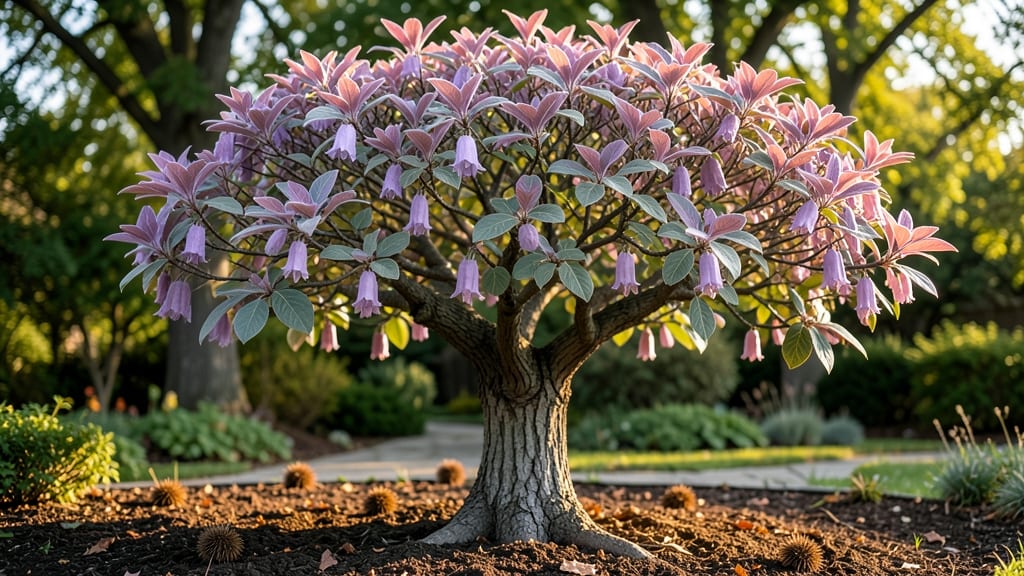
Cold-stratified purple empress tree paulownia seeds sprout in 3 weeks—faster than you’d expect. 🌱 This isn’t just any tree; it’s a fast-growing giant with stunning purple foliage that turns golden in fall, plus fragrant white flowers in spring.
The secret to unlocking its potential starts with a simple cold treatment that mimics winter’s natural signal for germination.
You’ll need USDA zones 5-9, well-draining soil, and a sunny spot (at least 6 hours of light daily). The tree thrives in containers for small spaces or planted directly in the ground, where it can reach 30-50 feet tall in just 10-15 years.
Pruning young branches encourages bushier growth, and the wood becomes incredibly strong—stronger than oak over time.
The payoff? A dramatic, low-maintenance centerpiece that attracts pollinators and provides shade. Once established, it handles drought surprisingly well, though young trees appreciate consistent moisture. The real magic happens in late spring when those showy, fragrant blooms appear—like a purple-tinged cloud in your yard.
Fair warning: the seeds are huge (up to 2 inches long), so handle them carefully. Plant them 1 inch deep in moist soil after stratification, and keep them warm until sprouts appear. Patience pays off—this tree isn’t just fast-growing, it’s transformative for any landscape.
📚 In This Guide
- What you need
- Instructions
- Tips and common mistakes
- Wrapping up and next steps
What you need
- ● Paulownia seeds: 10–20 viable seeds (ensure they’re fresh for best germination rates).
- ● Cold stratification setup: 1 large resealable plastic bag (quart-sized or larger)
- ● 1 cup moist perlite, vermiculite, or a 50/50 mix of both (sterilized)
- ● Refrigeration: Access to a fridge set to 34–40°F (1–4°C) (a standard home fridge works!).
- ● Planting containers (post-stratification): Small seed trays (3–4" deep) with drainage holes
- ● Well-draining potting mix (e.g., 60% peat/coir, 30% perlite, 10% sand)
- ● Misting bottle or spray nozzle (for gentle hydration).
- ● Clear plastic wrap or humidity dome (to retain moisture during sprouting).
- ● Gloves (to protect hands from sharp seed coats).
- ● Small hand trowel (for transferring seeds post-stratification).
- ● Grow lights or sunny windowsill (12+ hours of light daily after germination).
- ○ pH test kit (optional: ideal soil pH for Paulownia is 6.0–7.0).
- ○ Seedling heat mat (optional: speeds up germination if your space is cool).
Step-by-Step guide to cold-stratifying purple Empress tree Paulownia seeds
This method guarantees strong, vigorous seedlings ready for transplanting in just three weeks.
🌱 Step 1: Select and Prepare Mature Seeds
Choose fully mature Purple Empress Tree seeds—they should be large, plump, and have a hard, papery outer shell. I always test floatation first: place seeds in a bowl of water. The good ones sink immediately while empty or immature ones float. Discard any that don't pass this test.
Once you've selected your seeds, give them a warm soak for 24 hours in lukewarm water. This softens the tough outer coating and jumpstarts the germination process. Change the water halfway through to prevent bacterial buildup. You'll know they're ready when the water feels slightly sticky from seed mucilage.
❄️ Step 2: Create the Cold Stratification Environment
Fill a seed tray or small container with a mix of 50% moist peat moss and 50% perlite. This blend provides both moisture retention and aeration—critical for preventing rot during stratification. Keep the mix damp but never soggy, as excess moisture invites fungal growth that can kill seeds before they sprout.
Place your soaked seeds 1 inch deep in the mix, spacing them 2 inches apart to prevent overcrowding later. Cover the tray with a clear plastic lid or wrap it in plastic wrap to create a humid microclimate. Store the tray in your refrigerator's crisper drawer where temperatures hover around 35-45°F.
⏰ Step 3: Monitor and Maintain Stratification Conditions
Check your seeds every 3-4 days to ensure the mix remains consistently moist. I like to use a spray bottle to add just enough water to keep the surface damp but not dripping. The plastic covering should fog up slightly—this is your visual cue that humidity levels are perfect for stratification.
After 2 weeks, you'll notice the first signs of germination as tiny white roots emerge from the seeds. This is when the magic happens—the cold treatment has broken dormancy and jumpstarted metabolic activity. Keep them in the fridge for the full 3-week period even if sprouts appear early.
☀️ Step 4: Transition to Warm Germination
When your 3-week stratification period completes, move the tray to a warm location with temperatures between 65-75°F. I place mine on top of my refrigerator where it stays consistently warm. Remove the plastic covering but maintain high humidity by placing the tray on a bed of damp pebbles or in a humidity dome.
Germination typically occurs within 7-10 days after this transition. You'll see the first true leaves emerge as small, rounded cotyledons breaking through the soil surface. This is your signal that the seedlings are actively photosynthesizing and ready for their next growth phase.
🌿 Step 5: Prepare for Transplanting
Once seedlings develop their second set of true leaves (about 4-6 weeks total from stratification start), they're ready for individual pots. Gently remove each seedling using a small fork or your fingers, being careful not to damage the delicate roots. Transplant into 3-inch pots filled with a light, well-draining mix.
Place the pots in bright, indirect light for 1 week to help them acclimate. You'll notice stronger stems and deeper green leaves as they adjust to higher light levels. This gradual transition prevents the shock that often kills tender young seedlings when moved too quickly to full sun.
Tips & tricks for perfect purple Empress tree sprouting
Took me a while to figure these out, so here goes—the details that separate good sprouts from thriving seedlings.
Seed Selection Matters: The floatation test in Step 1 is non-negotiable. I've learned the hard way that even one immature seed can ruin an entire tray by attracting mold. For extra assurance, look for seeds with a slight papery texture—this indicates full maturity. If you're working with a large batch, consider pre-soaking all seeds together in a mesh bag to make the floatation test easier to manage.
Temperature Control: The 35-45°F range in your refrigerator's crisper drawer is ideal, but not all fridges are created equal. If your crisper runs warmer, place the tray on the bottom shelf where temperatures are more consistent. I also recommend using a small thermometer probe to verify the exact temperature—some fridges can vary by 10°F between shelves. This precision prevents premature germination before the full 3-week period.
Humidity Hack: That slight fogging on the plastic cover in Step 2 is your best friend. If you notice condensation dripping instead of just fogging, your humidity is too high and risks fungal growth. For extra control, poke a few small holes in the plastic wrap—just enough to let excess moisture escape while maintaining the humid environment. This balance is critical during the 3-week stratification period.
Transplanting Timing: The 1-week acclimation period in Step 5 might seem short, but it's crucial. I've seen seedlings shock and die when moved too quickly to bright light. Start with morning sun only, gradually increasing exposure over 3-4 days. You'll notice the difference in stem strength—acclimated seedlings develop thicker stems and vibrant green leaves within days.
Pro Tips for Purple Empress Tree Paulownia
- Took me a while to figure these out, so here goes—the details that separate good sprouts from thriving seedlings.
- Seed Selection Matters: The floatation test in Step 1 is non-negotiable.
- Temperature Control: The 35-45°F range in your refrigerator's crisper drawer is ideal, but not all fridges are created equal.
Frequently asked questions
Got questions about the Purple Empress Tree Paulownia? You’re not alone! Here are some of the most common queries—plus quick answers to help you grow this stunning tree with confidence.
How long does it take for Purple Empress Tree seeds to sprout after cold stratification?
With proper cold stratification (3 weeks in the fridge), seeds typically sprout within 7–14 days after planting. Keep soil moist (not soggy) and maintain warmth (70–75°F) for best results. Patience is key—some seeds may take up to 3 weeks to crack open!
Can I cold-stratify Purple Empress Tree seeds in the freezer instead of the fridge?
Yes, but with caution! Freezers (below 32°F) can kill seeds if left too long. Use a short-term method: Place seeds in a sealed bag with damp paper towels, then freeze for 3–5 days max. Thaw and plant immediately. A fridge (34–40°F) is safer for the full 3 weeks.
What’s the best time of year to plant Purple Empress Tree seedlings outdoors?
Aim for early spring (after last frost) or late summer (6–8 weeks before first frost). Seedlings need warm soil (60°F+) to thrive. In colder zones, wait until nighttime temps stay above 50°F to avoid shock. Mulch helps retain heat and moisture!
Why aren’t my Purple Empress Tree seeds germinating after stratification?
Try these fixes:
- Check moisture: Soil should feel like a damp sponge—not dry or waterlogged.
- Test seed viability: Soak seeds in water for 24 hours; if they sink, they’re likely good.
- Warmth matters: Use a heat mat (75°F) to mimic spring conditions.
- Scarify stubborn seeds: Lightly nick the seed coat with sandpaper to help water penetrate.
Are there faster-growing alternatives to Purple Empress Tree for shade?
If you want fast shade + drama, consider:
- Mimosa Tree (Albizia): Grows 10+ feet/year and fixes nitrogen in soil.
- Leyland Cypress: Evergreen, cold-hardy, and reaches maturity in 5–7 years.
- Hybrid Poplar: One of the fastest-growing trees (8+ feet/year) but needs space.
Wrapping up and next steps
The Purple Empress Tree Paulownia is a stunning, fast-growing beauty that rewards patience with breathtaking blooms—especially when you master cold-stratified sprouting! 🌱 With just a few simple steps, you can jumpstart germination in just three weeks, setting your tree up for a thriving future.
Whether you're a seasoned gardener or a curious beginner, this method makes it easier than ever to grow this showstopper.
Ready to transform your garden? Grab your seeds, follow the steps, and watch your Purple Empress Tree flourish. Next up: Share your progress with fellow plant lovers or explore creative ways to showcase this striking tree in your outdoor space! 🌿✨