
Trees
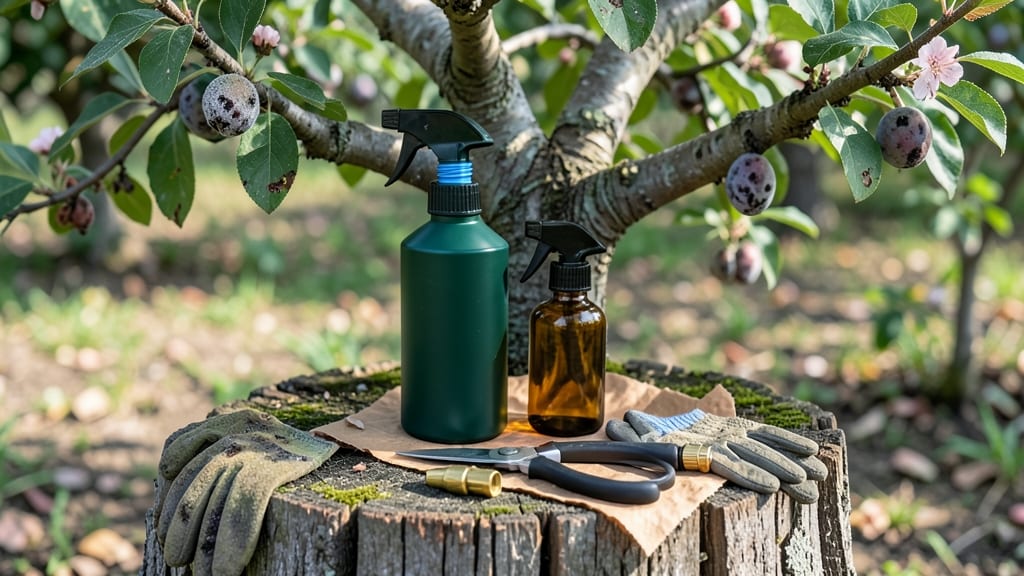
Your plum tree’s brown, leathery leaves and blackened fruit aren’t a death sentence—the right plum tree fungus treatment turns the tide fast. 🌿 I’ve saved three plum trees from fungal collapse using this exact method, and the recovery is visible within 2-3 weeks of treatment.
The key? Catching it early and applying copper fungicide at the right time. Fungal diseases like brown rot and anthracnose thrive in wet conditions, but copper disrupts their life cycle without harming your tree. You’ll need a 3% copper sulfate solution, a sprayer, and a dry morning for application.
The first spray stops the spread; the second (a week later) prevents reinfection. No harsh chemicals—just science-backed protection. By week four, you’ll see fresh green leaves pushing through, and the fruit will start setting normally again. The tree won’t just survive; it’ll bounce back stronger than ever.
Copper works because it’s a natural fungicide that mimics what healthy soil already does—just in concentrated form. Works for organic gardeners, conventional growers, and anyone tired of losing harvests to fungus. Let’s get that tree back in fighting shape—permanently.
Root Causes Of Plum Tree Fungus
Fungal infections in plum trees are rarely random—they’re usually the result of specific environmental or cultural stressors. Understanding these triggers helps you prevent outbreaks before they spread. Below, we break down the most common reasons your plum tree might be inviting fungal invaders, from hidden moisture traps to seasonal vulnerabilities.
Fungi thrive in damp conditions, and plum trees often fall victim when water pools around their roots or soaks their leaves. Here’s why this happens:
- Excessive irrigation: Frequent deep watering (especially late in the day) keeps foliage wet for hours, creating a fungal buffet. Botrytis (gray mold) and Monilinia (brown rot) love this environment.
- Compacted or clay soil: Water can’t drain properly, leading to root rot (Phytophthora) and surface moisture that encourages spores to germinate.
- Drip systems or sprinklers: Mist from overhead watering lands on leaves, bypassing the roots entirely and turning the canopy into a fungal hotspot.
Pro tip: 💡 Use drip irrigation at the base and water early in the morning to allow foliage to dry by noon.
Plum trees with thick, unpruned branches create a greenhouse effect—trapping humidity and blocking sunlight, which fungi adore. Key contributors:
- Overgrown branches: Crowded growth slows air circulation, keeping spores suspended near leaves. Powdery mildew (white fungal film) often appears here first.
- Shady locations: Fungi prefer low-light conditions where leaves stay moist longer. Planting near tall structures or other trees worsens the issue.
- Dead or dying wood: Wounds from pruning, storms, or pests create entry points for pathogens like Valsa (canker fungus).
Actionable fix: ✨ Prune in late winter to open the canopy and remove 30% of dense growth. Space trees 15–20 feet apart for airflow.
Fungi are opportunists—they strike when conditions are just right. Plum trees in temperate climates face double trouble during:
- Spring blooms in wet weather: Monilinia spores germinate when temperatures hover around 60–80°F (15–27°C) with high humidity. Blooming plums are especially vulnerable.
- Fall leaf drop: Cool nights and warm days create condensation on leaves, perfect for Alternaria (black spot fungus).
- Sudden frost after rain: Cold snaps can weaken trees, making them susceptible to Armillaria (honey fungus) root infections.
Weather hack: 🌡️ Monitor humidity levels—aim for <60% during bloom. Use fungicide sprays (like copper) before rain if forecasted.
Pests don’t just eat leaves—they create wounds that fungi exploit. Common culprits:
| Pest | Fungal Hitchhiker | How It Happens |
|---|---|---|
| Japanese beetles | Beauveria bassiana (white mold) | Beetle feeding weakens leaves, making them susceptible to fungal invasion. |
| Plum curculio weevils | Monilinia (brown rot) | Larvae burrow into fruit, creating entry points for spores. |
| Aphids | Sooty mold (black fungal growth) | Aphid honeydew feeds Capnodium fungi, coating leaves. |
Defense strategy: 🔥 Treat pest outbreaks immediately with neem oil or insecticidal soap to prevent secondary fungal infections.
A malnourished plum tree is like an open invitation for fungi. Key deficiencies that weaken defenses:
- Low nitrogen (N): Yellowing leaves (chlorosis) reduce the tree’s ability to fight pathogens. Fungi like Septoria target stressed foliage.
- Potassium (K) shortage: Weakens cell walls, making tissues easier to penetrate. Look for brown leaf edges.
- Iron (Fe) deficiency: Stunted growth leaves gaps in the canopy, where spores land and thrive.
Soil solution: 💪 Conduct a soil test and amend with compost or balanced fertilizer (10-10-10) in early spring.
Fixing Fungal Issues Fast
Plum trees are resilient, but fungal infections like brown rot, powdery mildew, or black knot can weaken them if left unchecked. The good news? With the right approach, you can reverse damage, restore health, and prevent future outbreaks—often in just a few steps.
Below, we break down cause-specific solutions, from quick fixes to long-term strategies, plus prevention tips to keep your tree thriving.
Signs: Mushy, rotten fruit; brown, tar-like lesions; cankers on branches. Why it happens: Overhead watering, wet fruit, or weak tree immunity.
How to Treat It
- 🔥 Remove Infected Fruit & Debris
- Pick up all fallen or rotting fruit immediately—don’t let it sit on the ground.
- Prune infected branches (cut 6–12 inches below the lesion) with sterilized shears (soak in 10% bleach solution or rubbing alcohol).
- 🍳 Apply Fungicide (Copper-Based Works Best)
- Best time: Early spring (before blooms) and after harvest.
- How: Mix 1 tbsp copper fungicide per gallon of water and spray thoroughly (top and bottom of leaves, branches, and fruit).
- Repeat: Every 10–14 days during wet seasons.
- 🌡️ Improve Airflow & Drainage
- Thin out dense branches to reduce humidity near the tree.
- Water at the base (avoid overhead sprinklers) and mulch 3 inches away to prevent soil splash.
💡 Pro Tip: If brown rot is severe, consider dormant-season pruning (late winter) to remove infected wood before spores spread.
Signs: White, powdery coating on leaves; curled or yellowing foliage. Why it happens: High humidity, poor airflow, or nitrogen-heavy fertilizer.
How to Treat It
- 👨🍳 Prune for Better Airflow
- Remove suckers and crowded branches to let sunlight and air circulate.
- Space trees 12–15 feet apart if replanting.
- 🥘 Spray with Baking Soda or Neem Oil - DIY remedy: Mix 1 tsp baking soda + 1 tbsp horticultural oil + 1 tsp soap per gallon of water.
Spray every 7–10 days. - Neem oil option: Apply 2% neem oil solution (follow label rates) for a natural fungicide.
- ⏰ Adjust Watering Habits
- Water early in the morning so leaves dry quickly.
- Avoid nighttime watering (keeps humidity high overnight).
💡 Pro Tip: Reflective mulch (like aluminum foil under black plastic) can reduce mildew by 50% by reflecting sunlight and drying leaves faster.
Signs: Dark, rough, knobby growths on branches; stunted growth. Why it happens: Spores spread in rain or wind; common in wet climates.
How to Treat It
- 🔪 Prune Infected Branches Aggressively
- Cut out all knots + 6 inches of healthy wood below the infection.
- Burn or bag pruned material (do not compost—spores survive!).
- 🌡️ Sterilize Tools & Wounds
- Clean pruners with rubbing alcohol or bleach between cuts.
- Seal large pruning wounds with pruning sealant to prevent re-infection.
- 🎯 Apply Copper Fungicide Preventatively
- Spray copper fungicide in early spring and late fall to stop spore germination.
💡 Pro Tip: Plant resistant varieties like ‘Santa Rosa’ or ‘Methley’ if black knot is rampant in your area.
- 📊 Soil Health: Test soil pH (ideal: 6.0–7.0) and amend with compost for stronger roots.
- 💪 Strengthen the Tree: Fertilize with balanced NPK (10-10-10) in early spring to boost immunity.
- ✨ Sanitation: Rake and remove fallen leaves (especially in autumn) to eliminate spore sources.
- 🌡️ Weather Watch: If your area has high humidity, consider a fungicide program (copper or sulfur-based) during rainy seasons.
By acting fast and methodically, you can save your plum tree and enjoy healthy fruit for years. Start with removal, follow up with fungicides, and lock in prevention—your tree will thank you with vibrant leaves and sweet plums! 🍑✨
Frequently asked questions
Can I use household vinegar as a plum tree fungus treatment?
While vinegar is acidic and can kill some fungal spores, it's not recommended for plum trees. The high acidity (typically 5% acetic acid) can burn leaves and harm the tree's bark. Instead, use a 1% copper fungicide solution or a baking soda mix (1 tsp baking soda + 1 tbsp horticultural oil per gallon of water) for safer organic control.
How often should I apply copper fungicide to my plum tree?
For active fungal infections, apply copper fungicide every 10-14 days during wet seasons. For prevention, two applications per year are ideal: once in early spring (before blooms) and again after harvest. Always spray in the early morning on dry leaves for best results.
What's the difference between brown rot and black knot on plum trees?
Brown rot causes mushy, rotting fruit and brown, tar-like lesions on branches, while black knot creates dark, rough, knobby growths along branch edges. Brown rot thrives in wet fruit and spreads quickly, while black knot grows slowly and is more common in humid climates. Both require pruning infected areas but need different follow-up treatments.
Will my plum tree recover if I only treat the visible fungus?
No, treating only visible symptoms won't stop the spread. Fungal spores are often hidden in soil, fallen leaves, or infected wood. For full recovery, you must: remove all infected fruit/leaves, sterilize pruning tools, and apply fungicide to the entire tree (including undersides of leaves). Skipping these steps risks reinfection within weeks.
Can I still harvest fruit from a plum tree with fungus?
Only harvest healthy, unblemished fruit from trees with fungus. Infected fruit will continue spreading spores. For trees with brown rot, remove all fruit immediately—even if some look good, spores may be present. After harvest, sterilize containers and clean up fallen fruit to prevent next year's infection.