Planting
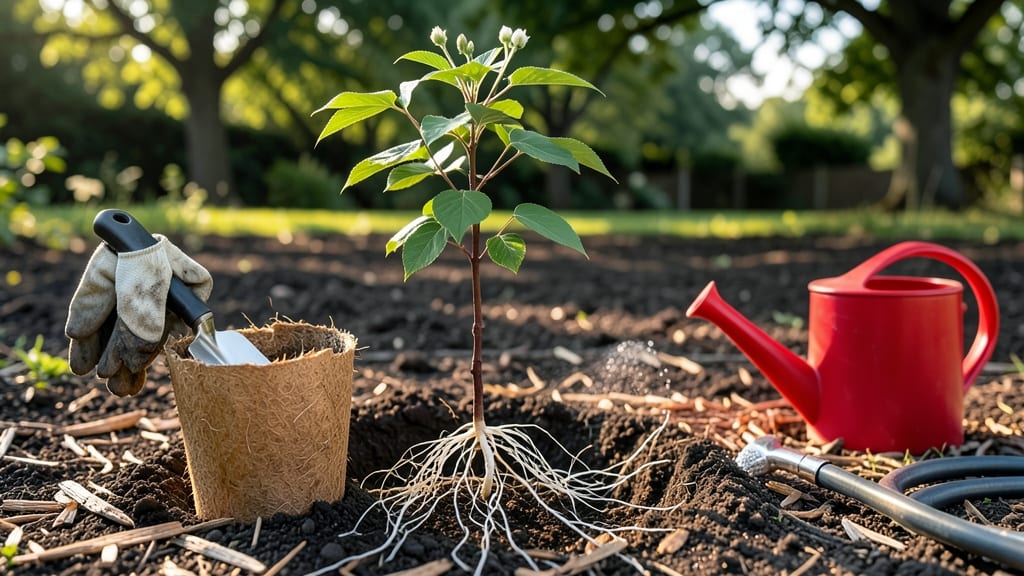
Planting a tree on Earth Day isn’t just gardening—it’s a century-long promise to the planet. 🌳 Every spring, millions of hands dig into soil for this one day, but the real magic happens when that sapling grows into a carbon-capturing giant.
I’ve planted dozens over the years, and the difference between a well-placed tree and one that struggles comes down to timing, species, and a little prep work.
The best trees for Earth Day planting are native species that thrive in your climate zone—think oak, maple, or fruit trees. They’re hardy, support local wildlife, and grow fast enough to make an impact within years, not decades.
Check your local conservation group for free saplings or Earth Day events—they often provide the right varieties and even help with planting.
By the end of the season, your tree will be established, its roots spreading deep to pull CO₂ from the air. Imagine the shade it’ll cast in 20 years, the birds it’ll shelter, and the generations who’ll benefit from its existence.
That’s the power of planting on Earth Day—it’s not just a single act, but a legacy.
Whether you’re digging in your backyard or joining a community effort, the key is to water deeply after planting and mulch well. Skip the generic advice—focus on what works in your region. Local nurseries and Earth Day organizers have the specifics, so lean on them for success.
📚 In This Guide
- What you need
- Instructions
- Tips and common mistakes
- Wrapping up and next steps
What you need
- ● Tree sapling: 1 native or climate-appropriate species (e.g., oak, maple, or fruit trees like apple or cherry). Check local guidelines for best choices!
- ● Size: 1–3 feet tall (whips or small balled-and-burlapped trees work best for beginners).
- ● Shovel or trowel: 1 digging spade (for planting holes) or 1 trowel (for smaller saplings).
- ● Size: 12–18 inches wide for easy digging.
- ● Watering can or hose: 1 with a gentle spray nozzle (or a bucket for smaller saplings).
- ● Mulch: 2–4 cubic feet of organic mulch (wood chips, straw, or shredded bark).
- ● Gloves: 1 pair of gardening gloves (to protect your hands from dirt and thorns).
- ○ Pruning shears (optional but helpful): 1 pair for trimming dead branches or shaping the tree.
- ● Tree stake or bamboo support: 1–2 stakes (if planting in windy areas).
- ● Tree guard or wire cage: 1 protective barrier (to deter animals or lawnmowers).
- ● Soil amendment: 1 bag of compost or slow-release fertilizer (if your soil is poor).
- ● Stake driver or mallet: 1 small tool (for securing stakes without damaging the tree).
- ● Planting hole marker: A stake or flag to mark the sapling’s location (helpful for future care!).
Step-by-Step instructions for planting a tree on Earth Day
Here's how to give your tree the best start possible—so it thrives for decades.
🌱 Step 1: Choose the Right Tree and Location
Pick a tree species native to your area—it’ll adapt better and need less care. For Earth Day, consider fast-growing but long-lived options like sugar maple or red oak. Avoid planting near sidewalks or driveways unless you’ve called 811 to check for underground utilities.
Look for a spot with 6+ hours of sunlight daily and room to grow—mature trees need 20-30 feet of space in all directions. Dig a hole twice as wide as the root ball but no deeper. Loosen compacted soil around the edges with a shovel or garden fork to encourage root spread.
🪴 Step 2: Prepare the Hole and Handle the Root Ball
Remove the tree from its container and gently loosen the roots circling the root ball with your fingers. If the tree is balled and burlapped, cut away the burlap if it’s tight against the roots—it can strangle them over time. Place the tree in the hole so the top of the root ball sits 1-2 inches above ground level.
Fill the hole halfway with native soil, tapping it down lightly to remove air pockets. Water the tree deeply to settle the soil around the roots. This ensures the tree stays upright and roots make contact with moist soil right away.
☀️ Step 3: Backfill and Mulch for Long-Term Health
Add the remaining soil to the hole, firming it gently as you go. Don’t pack it down hard—you want roots to expand easily. Water again until the soil is evenly moist to a depth of 12 inches. This helps roots establish quickly in their new home.
Spread 3-4 inches of mulch (wood chips or shredded bark) in a 3-foot-wide ring around the tree, keeping it 6 inches away from the trunk. Mulch retains moisture and regulates soil temperature, but too much can suffocate roots. Water one final time to settle everything.
⏰ Step 4: Stake and Protect Only If Necessary
Stake the tree only if it’s top-heavy or in a windy location. Use two stakes placed diagonally from the tree, tied loosely with soft material like tree tie straps—tighten just enough to keep it upright. Check stakes monthly and remove them after 12 months to avoid girdling the trunk.
Install a tree guard (metal or plastic) if local wildlife or pets might damage the bark. Water deeply twice weekly for the first year, then taper to once weekly once established. You’ll know it’s thriving when new leaves appear in 4-6 weeks and the tree grows 6-12 inches per year.
Tips & tricks for perfect tree planting on Earth Day
Planting a tree is one of the most rewarding ways to celebrate Earth Day—here's how to make sure your new tree thrives for generations.
Location Intelligence: The 6+ hours of sunlight daily mentioned in Step 1 is non-negotiable. Use a simple solar calculator app to track sunlight patterns in your yard for a week before planting. Morning sun (east side) is ideal for many species, while afternoon sun (west side) can be too harsh for delicate trees. I always check for overhead power lines too—you'd be surprised how often people miss these when choosing a spot.
Root Ball Rescue: When loosening those circling roots in Step 2, don't rush—you're literally giving your tree's future a head start. I use my fingers to gently tease apart roots that are tighter than a fist. For container-grown trees, soak the root ball in water for 10 minutes before planting to help reduce transplant shock. The 1-2 inches above ground level placement is crucial—this prevents water from pooling around the trunk and causing rot.
Mulch Mastery: That 3-4 inches of mulch in Step 3 isn't just decoration—it's a moisture and temperature regulator. Use only organic mulch like wood chips or shredded bark, and keep it 6 inches away from the trunk to prevent vole damage. I like to add a handful of compost to the backfill soil—it gives roots a nutrient boost right when they need it most. And here's a pro tip: water the mulch, not just the soil, to help it settle properly.
Pro Tips for Plant A Tree On Earth Day
- Planting a tree is one of the most rewarding ways to celebrate Earth Day—here's how to make sure your new tree thrive...
- Location Intelligence: The 6+ hours of sunlight daily mentioned in Step 1 is non-negotiable. Use a simple solar calcu...
- Root Ball Rescue: When loosening those circling roots in Step 2, don't rush—you're literally giving your tree's futur...
Frequently asked questions
Got questions about planting a tree for Earth Day? You’re not alone! Here are answers to the most common ones to help you get started with confidence.
What’s the best type of tree to plant for Earth Day?
Native, fast-growing trees like oak, maple, or pine are ideal—they thrive locally, support wildlife, and absorb carbon efficiently. Avoid invasive species (like Bradford pear) that can harm ecosystems. Check with your local nursery or USDA Plant Hardiness Zone Map for region-specific recommendations!
When is the absolute best time to plant a tree for Earth Day?
Earth Day (April 22) is a great symbolic time, but the best planting window is early spring or fall (4–6 weeks before first frost). Spring lets roots establish before summer heat, while fall avoids drought stress. If planting on Earth Day, water deeply afterward and mulch to retain moisture.
How much does it cost to plant a tree for Earth Day?
Costs vary! A bare-root sapling from a nursery runs $10–$30, while a potted tree (3–5 feet tall) costs $50–$150. Check local Earth Day events or reforestation programs—many offer free trees or discounted saplings. Pro tip: Partner with schools or community groups to split costs!
Can I plant a tree in a pot instead of the ground?
Yes! Container planting works for small trees (like fruit trees or dwarf varieties) or urban spaces. Use a 5-gallon+ pot with drainage holes, well-draining soil, and repot every 2–3 years. Just note: Potted trees grow slower and sequester less carbon than ground-planted ones. For maximum impact, aim for permanent ground planting.
My tree isn’t growing—what went wrong?
Common issues include:
- Poor soil: Amend with compost or organic matter.
- Over/under-watering: Water deeply 1–2x/week (check soil moisture).
- Pests/disease: Inspect leaves for holes or spots; treat with neem oil or contact a local arborist.
- Wrong location: Ensure 6+ hours of sunlight (check tree needs) and space for roots.
Most trees take 2–5 years to show significant growth—patience pays off!
Wrapping up and next steps
Planting a tree on Earth Day isn’t just an act of kindness—it’s a legacy for the planet. Every seed you sow today will grow into a living carbon-capturing powerhouse, purifying air, nurturing wildlife, and cooling our communities for decades to come. 🌱💚
Ready to make an impact? Start small: research native species in your area, gather your tools, and plant with purpose. Whether you’re a seasoned gardener or a first-time tree planter, your effort matters. Be the change—one tree at a time!