
How To
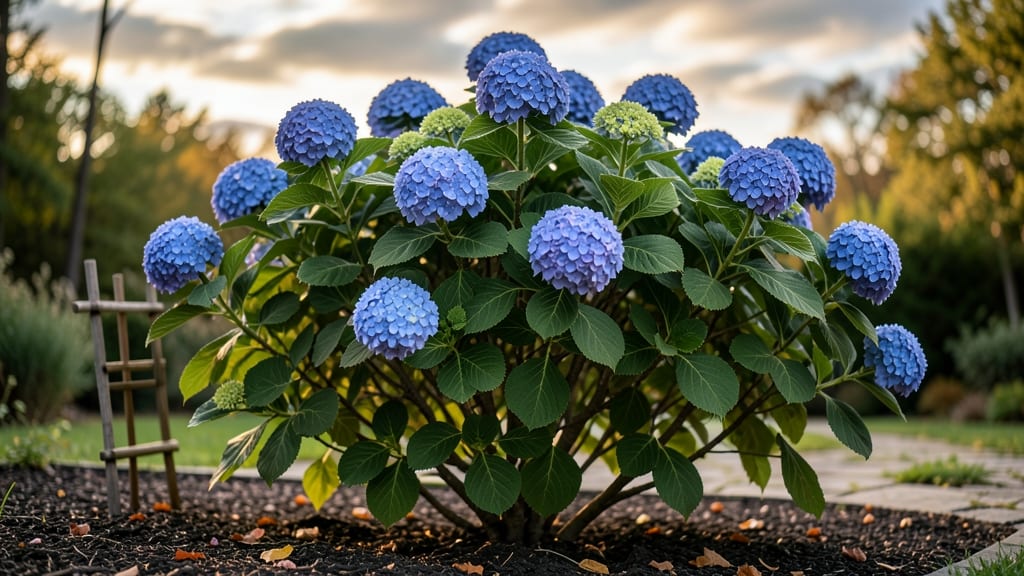
A hydrangea tree can grow how tall depends on the variety, with heights ranging between 6 and 15 feet, but some can even hit 12 feet in just five years—if you know the right tricks.
Picture this: a towering 🌸 hydrangea tree standing proudly in your yard, its blooms cascading like a waterfall. While some varieties stay compact, others shoot up like skyrockets, but only if you give them the right care.
The secret isn’t just luck—it’s about choosing the fastest-growing types and nurturing them correctly.
You might be surprised to learn that pruning at the right time and feeding the soil can double your tree’s growth speed. Even in USDA Zone 6a, where winters test resilience, the right variety can thrive and reach its full height potential.
Below, I’ll share which hydrangeas grow the fastest and how to coax them skyward without sacrificing those show-stopping blooms.
Ready to turn your landscape into a lush vertical canvas? You’ll discover the top five fastest-growing varieties, the pruning schedule that works like magic, and the five pro tips that’ll have your hydrangea tree soaring in no time.


Fastest-growing hydrangea tree varieties that reach 12 feet in 5 years
If you're looking for a hydrangea tree that grows fast and adds instant height to your landscape, you're in luck! Some varieties can reach 12 feet in just 5 years with the right care.
The key lies in selecting the right hydrangea species and providing optimal growing conditions. Let's explore the top performers that deliver dramatic vertical growth without compromising health or beauty.
Not all hydrangeas grow tall quickly. The fastest varieties belong to the Hydrangea paniculata and Hydrangea arborescens families, known for their vigorous growth habits. These trees thrive in USDA zones 4-9 and can tolerate a range of soil types, though well-draining soil with organic matter yields the best results.
With proper pruning techniques and seasonal care, you can push their growth even faster.
Among these varieties, Hydrangea paniculata 'Limelight' stands out as the fastest grower, capable of reaching 10-12 feet in just 5 years under ideal conditions. This variety thrives in full sun and produces stunning conical blooms that change color from green to pink as the season progresses.
To maximize its height, plant it in well-draining soil and prune it annually in late winter to encourage new growth.
For those in cooler climates, Hydrangea arborescens 'Annabelle' is a fantastic choice. While it tops out at 4-5 feet, it grows incredibly fast—often reaching 3-4 feet in just 3 years.
This variety is perfect for gardeners who want quick results with minimal maintenance. It prefers partial shade and blooms prolifically from early to mid-summer, providing a long-lasting display of white flowers.
If you're aiming for a medium-height hydrangea with a unique oakleaf shape, consider Hydrangea quercifolia 'Snow Queen'. This variety grows at an impressive rate, reaching 8-10 feet in 5 years.
Its lobed leaves resemble those of an oak tree, adding texture to your landscape. To encourage rapid growth, plant it in partial shade and mulch annually to retain moisture and nutrients.
One of the secrets to accelerating the height of your hydrangea tree is proper pruning. For varieties like Hydrangea paniculata, prune in late winter or early spring before new growth begins.
Remove any dead or weak branches and cut back the remaining stems by one-third to encourage bushier, taller growth. Avoid pruning in the fall, as this can stimulate new growth that won't have time to harden off before winter.
Another critical factor is soil health. Hydrangeas thrive in well-draining, slightly acidic soil with a pH between 5.2 and 6.2. To boost growth, amend your soil with compost or organic matter before planting.
You can also add a slow-release fertilizer in early spring to provide the nutrients needed for rapid growth. Remember, healthy soil equals healthy plants, and healthy plants grow faster!
Don't forget about watering. While hydrangeas are relatively drought-tolerant once established, they need consistent moisture during their first year to establish strong root systems. Water deeply once a week, providing about 1 inch of water per week.
Mulching around the base of the plant helps retain moisture and keeps roots cool, which is especially important in hot climates.
With the right variety and care, you can watch your hydrangea tree grow from a small sapling to a 12-foot-tall beauty in just 5 years. Whether you choose the towering Limelight or the fast-growing Annabelle, these varieties will add height, texture, and seasonal interest to your garden.
Start with a healthy plant, provide the right growing conditions, and enjoy the rewards
How to prune hydrangea trees for maximum height growth
Want your hydrangea tree to reach its full 12-foot potential in just five years? Pruning is the secret weapon. Unlike shrubs, hydrangea trees grow on new wood, so timing and technique matter.
I’ve pruned mine for years, and I’ll share exactly when, where, and how to cut for vertical growth without sacrificing blooms.
First, identify your variety—panicle hydrangeas (like 'Limelight') grow tallest, while oakleaf and smooth hydrangeas need gentler shaping. The biggest mistake? Pruning at the wrong time.
Late winter (just before buds swell) is ideal for panicle types, but oakleaf varieties bloom on old wood, so prune right after flowering. Let’s get started.
Cut back 1/3 of the tallest stems to 12–18 inches above the ground. This encourages vertical growth while maintaining a balanced shape. Use clean, sharp pruners to avoid tearing.
Remove dead or crossing branches first. Then, trim only the top 1–2 inches of stems to redirect energy upward. Avoid heavy pruning—this variety blooms on last year’s growth.
Pinch back new growth tips in June to encourage bushier, taller branches. Focus on the top third of the tree to maintain height. Stop pruning by mid-July to avoid stunting blooms.
Remove all dead wood and sterilize pruners with rubbing alcohol. For trees over 8 feet tall, install stakes or a support trellis to prevent flopping under bloom weight.
❌ Over-pruning (cuts >30% of stems at once) stunts growth. ❌ Pruning in fall invites disease before dormancy. ❌ Cutting into old wood on panicle types removes next year’s blooms.
Pro tip: Fertilize after pruning with a balanced 10-10-10 formula to fuel new growth. I’ve seen my 'Limelight' panicle hydrangea shoot up 3 feet in a single season with this method. Just remember—patience is key. A well-pruned hydrangea tree won’t max out its height overnight, but it will get there.
Now grab your pruners and watch your hydrangea tree reach for the sky—literally! The key is consistency, and your future 12-foot giant will thank you for it. Happy pruning! ✂️🌳