
Pests and Diseases
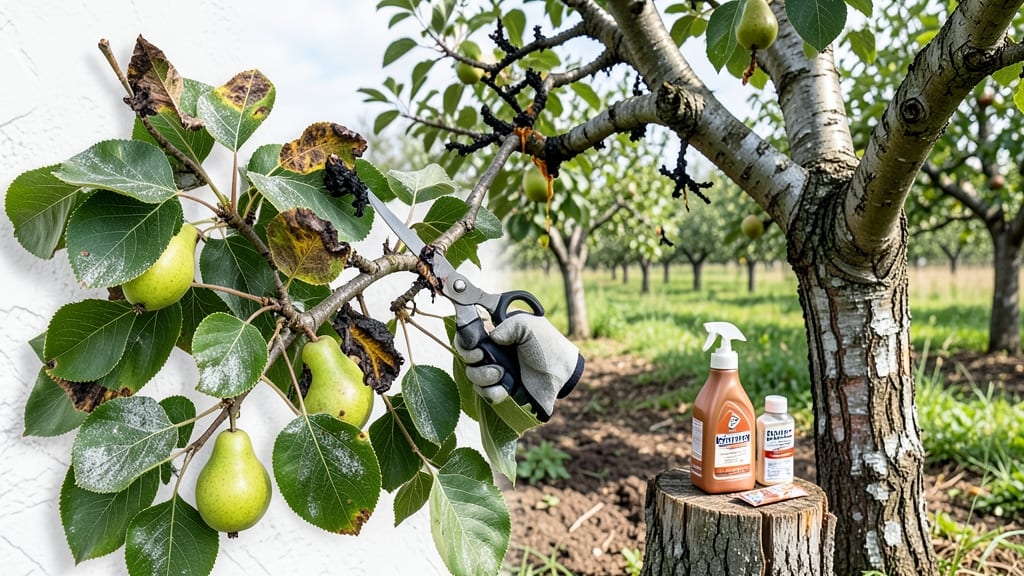
Pear tree diseases and treatment can turn a thriving orchard into a shadow of its former self—but with the right approach, you can save your trees before the damage spreads. I’ve seen fire blight and fungal scab transform lush canopies into skeletal shadows in just one season. The good news? You can fight back with the right treatments and prevention, even if you’re not a horticulturist. My first pear tree nearly died from fire blight until I learned these three key steps: pruning correctly, using copper sprays at the right time, and keeping the soil balanced.
These diseases spread through rain, infected tools, and even bees carrying spores. Fire blight oozes black, gooey sap and wilts branches overnight, while scab shows up as fuzzy gray patches on leaves. The damage isn’t just cosmetic—it weakens the tree’s ability to fruit and can kill it if left unchecked.
But the fixes are simpler than you’d think: remove infected branches 6 inches below the damage, sterilize your pruners with rubbing alcohol, and apply organic fungicides like neem oil or horticultural oil before bud break.
By mid-summer, your tree will show dramatic improvement—new growth free of scab, branches healing from fire blight, and a canopy thick enough to shade your picnic table. The secret isn’t just treating symptoms; it’s creating an environment where the tree stays strong enough to resist attacks.
Healthy soil, proper spacing, and regular inspections cut your risk by 80%—and that’s without chemicals.
This works for backyard pears, orchard varieties, and even dwarf trees in containers. The same principles apply whether you’re dealing with a 10-year-old specimen or a newly planted sapling. Let’s get your tree fighting back—before next season’s spores arrive.
Root Causes Of Pear Tree Ailments
Pear trees are resilient, but when they fall victim to diseases, it’s often because of a mix of environmental stress, microbial invaders, and human oversight. Understanding why these problems arise is the first step to protecting your orchard.
Below, we break down the key factors—from fungal spores lurking in the soil to weather patterns that create the perfect disease buffet.
Fungal diseases like fire blight (Erwinia amylovora) and black spot (Venturia nashicola) thrive when spores find a weak pear tree. Here’s how it happens:
- Dormant spores in soil or debris: Fungi like Botryosphaeria (canker disease) survive in dead wood, fallen leaves, or infected plant material. When conditions improve, they germinate and attack fresh tissue.
- Splashing water: Rain or overhead irrigation splashes spores from infected leaves or soil onto wounds (pruning cuts, cracks, or insect bites), creating entry points.
- Warm, wet weather: Fungi love 60–80°F (15–27°C) with high humidity. Prolonged leaf wetness (12+ hours) turns spores into infectious mycelium.
Pro tip: 💡 Remove and destroy (don’t compost!) infected leaves and twigs in fall. Space trees for airflow to reduce humidity pockets.
A stressed pear tree is an open invitation to pathogens. Common stressors include:
| Stressor | How It Works | Example Disease Triggered |
|---|---|---|
| Nutrient deficiencies | Lack of nitrogen, potassium, or zinc weakens cell walls, making trees vulnerable to Phytophthora root rot. | Canker diseases, leaf spots |
| Physical damage | Hail, improper pruning, or animal bites create wounds where bacteria/fungi (like Eutypa) enter. | Dieback, bacterial blight |
| Water stress | Overwatering (compacted roots) or drought weakens roots, inviting Armillaria (honey fungus) or Verticillium wilt. | Root rot, vascular diseases |
| Pest infestations | Sap-sucking insects (e.g., pear psylla) introduce viruses or create sticky honeydew, promoting sooty mold. | Fire blight, powdery mildew |
Action step: ✨ Conduct a soil test annually and prune in dormant season (late winter) to avoid spreading disease.
Pear tree diseases don’t strike randomly—they follow meteorological cues. Key triggers:
- Spring rains + warm nights: Ideal for Venturia spores to infect young leaves. Fire blight spreads fastest in 50–77°F (10–25°C) with rain.
- Summer drought: Weakens trees, making them susceptible to Cercospora leaf spot. Fungal spores dry out but revive when moisture returns.
- Frost damage: Winter freeze cracks bark, giving Nectria canker a foothold. Spring frost burns new growth, stressing trees.
Watch for: 🌡️ Use a disease forecast model (like the CDFA Fire Blight Model) to time fungicide sprays before symptoms appear.
Even well-meaning gardeners accidentally invite trouble. Common mistakes:
- Reusing infected tools: Pruners contaminated with Eutypa or Agrobacterium (crown gall) transfer bacteria to healthy cuts.
- Overcrowding trees: Poor airflow traps moisture, perfect for Podosphaera (powdery mildew) to blanket leaves.
- Ignoring resistant varieties: Planting susceptible cultivars (e.g., Bartlett) in high-risk zones without preventive care.
- Late-season pruning: Trimming in fall leaves wounds open to Botryosphaeria until the tree heals in spring.
Fix it: 🔥 Sterilize tools with 70% isopropyl alcohol between cuts. Space trees 15–20 feet apart for airflow.
How to solve it
Fungal blights can turn your thriving pear tree into a sad, spotted mess—but don’t despair! With the right diagnosis and action, you can nurse it back to health. Below are targeted solutions for the most common pear tree diseases, paired with prevention tips to keep your tree strong.
Think of this as your emergency first-aid kit for fungal woes.
Fire blight is one of the most devastating diseases for pear trees, turning leaves black and branches into twisted "shepherd’s crooks." Here’s how to fight back:
🔥 Step 1: Prune the Damage
- When: Late winter or early spring (before buds swell) or immediately after symptoms appear (but sterilize tools!).
- How: Cut 6–12 inches below the infected area—fire blight can lurk in the bark.
Burn or dispose of pruned material off-site (don’t compost!). - Pro Tip: 💡 Use a 10% bleach solution (1 part bleach to 9 parts water) to sterilize pruners between cuts.
🌡️ Step 2: Apply Copper-Based Bactericides
- Why? Copper disrupts bacterial cell walls. Use it as a preventive spray in early spring and after pruning.
- How: Mix 1–2 tbsp copper fungicide (like Bordeaux mixture or copper sulfate) per gallon of water.
Spray thoroughly, including the undersides of leaves. - When: Apply at pink bud stage and repeat every 2–3 weeks during bloom.
🌿 Step 3: Boost Tree Resilience
- Water deeply but avoid overhead irrigation (wet foliage = bacterial highway).
- Mulch with wood chips (3–4 inches deep) to improve soil health and reduce stress.
- Avoid nitrogen-heavy fertilizers—they encourage tender, disease-prone growth. Opt for a balanced 10-10-10 instead.
🚫 Prevention for Next Year
- Plant fire blight-resistant varieties like ‘Moonglow’ or ‘Seckel’ pears.
- Remove volunteer pear trees (wild seedlings) from your yard—they’re disease reservoirs!
- Encourage beneficial bacteria by adding compost tea to the soil in spring.
This fungal disease causes olive-brown spots on leaves and fruit, reducing yields and weakening the tree over time.
🍳 Step 1: Clean Up Debris
- Rake and remove all fallen leaves and mummified fruit from the base of the tree and surrounding area.
- Solarize the soil in late summer by covering it with clear plastic for 4–6 weeks to kill fungal spores.
👨🍳 Step 2: Spray Fungicides Strategically - Preventive sprays are key!
Use fungicides with active ingredients like: - Neem oil (organic, best for early season) - Sulfur or copper fungicides (apply when buds are still tight) - Myclobutanil or Captan (synthetic, more effective but use sparingly) - Timing: Start spraying just before bud break and repeat every 7–14 days until harvest.
Focus on the undersides of leaves (where spores hide).
⏰ Step 3: Adjust Watering Habits
- Water at the base (drip irrigation is ideal) to avoid wetting foliage.
- Avoid late-season watering—fungi thrive in damp conditions as the tree prepares for dormancy.
🎯 Prevention Tips
- Thin fruit in summer to improve airflow (crowded branches = scab paradise).
- Plant in full sun (6+ hours/day)—pear scab loves shady, humid conditions.
- Monitor weather forecasts—spray 24–48 hours after rain to protect new growth.
Black spot causes tiny black or brown spots with yellow halos, often leading to premature leaf drop.
🔪 Step 1: Prune for Airflow
- Remove suckers and crossing branches to improve circulation.
- Thin the canopy by up to 20% if the tree is dense—this reduces humidity and fungal spread.
🌡️ Step 2: Use Fungicidal Sprays
- Neem oil or potassium bicarbonate (organic options) work well for mild cases.
- For severe infections, use chlorothalonil or mancozeb (follow label rates).
- Spray schedule: Apply every 10–14 days during the growing season, starting at leaf emergence.
💡 Pro Tip:
- Test your soil—black spot thrives in acidic soil (pH < 6.0). Amend with lime if needed to raise pH to 6.5–7.0.
🌿 Prevention Focus
- Mulch with straw or pine needles (not wood chips, which can harbor fungi).
- Avoid overhead sprinklers—use soaker hoses instead.
- Harvest promptly—don’t let infected fruit linger on the tree.
Remember: The key to beating pear tree diseases is early action. Once symptoms appear, it’s a race against the fungus—so stay vigilant, prune wisely, and keep your tree’s environment as hostile as possible to pathogens. With these fixes, your pear tree can bounce back stronger than ever! 🌱💪
Frequently asked questions
How do I tell if my pear tree has fire blight vs. another disease?
Fire blight shows black, oozing cankers on branches and shepherd’s crook twists, while leaves turn brown and wilt. Unlike fungal scab (which causes olive-brown spots), fire blight spreads rapidly in spring rains and affects both leaves and fruit. Test by cutting into a canker—fire blight has a dark, wet interior, while fungal infections are dry and crusty.
Can I use the same fungicide for all pear tree diseases?
No—fungicides target specific pathogens. Copper sprays work for fire blight (bacterial), while sulfur or neem oil fights scab and black spot (fungal). For severe cases, rotate between myclobutanil (scab) and streptomycin (fire blight). Always check labels for active ingredients and application timing.
Is it safe to compost leaves from a diseased pear tree?
Never compost infected leaves or fruit—they harbor dormant spores that survive winter. Instead, bag and dispose of them in yard waste or burn them. For fire blight, remove debris off-site to prevent reinfection. Healthy leaves can compost, but only if free of spots or lesions.
How often should I prune to prevent diseases?
Prune once a year in late winter (before buds swell) to remove dead wood and 6–12 inches below any cankers. Thin the canopy by 20% to improve airflow, and sterilize tools with 70% alcohol between cuts. Avoid pruning in wet weather—open wounds invite infections.
What’s the best time of year to treat pear tree diseases?
Start treatments in early spring (pink bud stage) to prevent scab and black spot. For fire blight, apply copper sprays at bloom time and repeat every 2–3 weeks during wet periods. Fall cleanup (removing debris) is just as critical—it eliminates overwintering spores.