
Leaf Blower
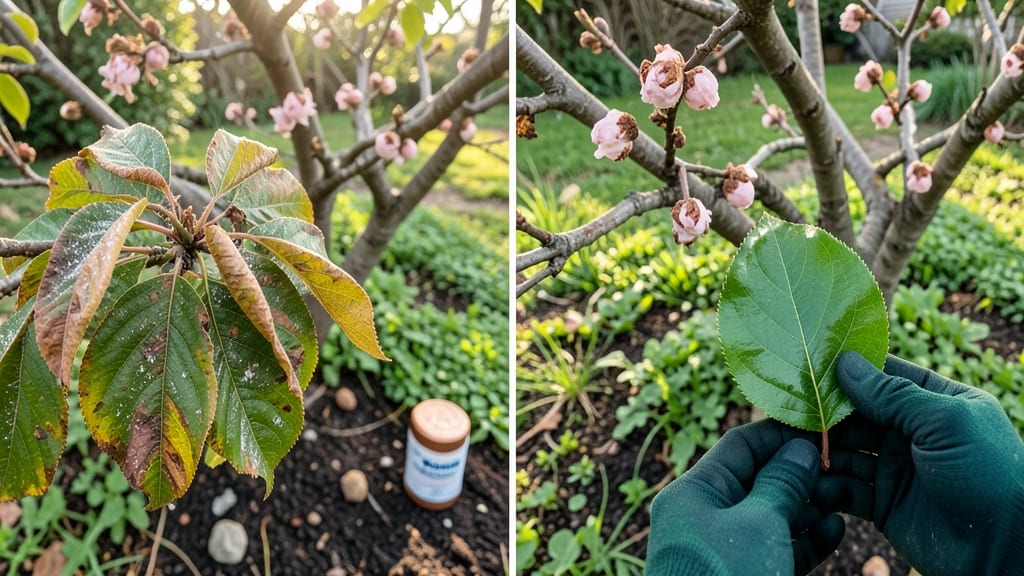
Your peach tree’s leaves curling into thick, leathery puckers isn’t just unsightly—it’s a sign of curly leaf fungus, a stubborn disease that thrives in spring showers. 🌿 I’ve battled this same fungus in my backyard orchard, and I’ll show you how to reverse the damage using simple, organic sprays that actually work.
The fungus spreads fastest when humidity lingers, so timing is everything. You’ll need copper-based sprays (like Bordeaux mixture) or homemade neem oil solutions—both stop the spores in their tracks. Prune infected leaves immediately to prevent spread, and focus on the new growth where the fungus takes hold.
Within 2-3 weeks of consistent spraying, you’ll see fresh leaves unfurling smooth and green. The key is catching it early: once the leaves pucker, they’re done, but the tree itself can recover with the right care. This works for home orchards, container peach trees, or even those stubborn backyard varieties.
Let’s get your tree back to producing sweet, disease-free fruit.
Root Causes of Leaf Distortion
Understanding why your peach tree’s leaves develop that telltale curl and discoloration starts with peeling back the layers of fungal behavior—and environmental triggers. The peach tree curly leaf fungus (caused by Taphrina deformans) thrives when specific conditions align, turning lush foliage into a twisted, brittle mess.
Here’s why it happens, broken down into the key culprits:
---
The fungus responsible for curly leaf disease is an obligate parasite, meaning it only survives by infecting peach trees. Here’s how it spreads: - Windborne spores: In early spring, spores from infected leaves (or even mummified buds from last year) drift on breezes, landing on new growth.
A single spore can germinate and infect a leaf within 48 hours if conditions are right. - Rain splash: Heavy downpours can hurl spores from infected leaves onto healthy branches, accelerating outbreaks.
Wet foliage (especially for >12 hours) creates the perfect moisture film for spores to cling and germinate. - Overwintering spores: The fungus persists in bud scales or infected leaves that fall to the ground. If these aren’t cleaned up, they release fresh spores the following spring.
Pro Tip: 💡 Prune and rake aggressively in late winter to remove old, infected debris—this cuts spore sources by up to 70%.
---
Fungus loves warm, damp environments, and peach trees often deliver. The perfect storm for curly leaf fungus includes: - Temperature range: Spores germinate best between 50–75°F (10–24°C).
Cooler springs (below 50°F) slow infection, while heatwaves above 85°F can halt it—but only temporarily. - Humidity >70%: High humidity keeps leaves damp longer, allowing fungal hyphae (thread-like structures) to penetrate leaf tissue.
Morning dew or frequent light rains create ideal conditions. - Slow leaf drying: Trees in shaded or low-airflow areas (like dense orchards) stay wet longer, giving the fungus more time to establish.
Pro Tip: ✨ Use a fan or prune to improve airflow around the tree—reducing leaf wetness by 30% can drastically lower infection rates.
---
A stressed peach tree is like an open invitation to fungi. Common stressors that lower resistance include: - Nutrient deficiencies: Lack of zinc, nitrogen, or potassium weakens cell walls, making leaves easier targets.
Soil tests often reveal low zinc in curly leaf-prone trees. - Water stress: Both drought and overwatering disrupt the tree’s ability to fight pathogens.
Roots struggling to absorb water or oxygen create systemic stress. - Physical damage: Hail, insect feeding (like peach tree borers), or improper pruning create entry points for spores.
Pro Tip: 💪 Apply a balanced organic fertilizer (like fish emulsion) in early spring to boost tree vigor before spore release.
--- Fungus doesn’t just appear—it’s often invited in by gardeners. Common mistakes include: - Reusing infected pruners: Fungal spores can hitch a ride on tools, spreading disease to healthy branches.
Always sterilize pruners with rubbing alcohol between cuts. - Ignoring leaf litter: Infected leaves left on the ground act as spore factories.
A single infected leaf can produce thousands of spores for next season. - Planting susceptible varieties: Some peach cultivars (like ‘Elberta’ or ‘Redhaven’) are more prone to curly leaf fungus. Opt for resistant varieties like ‘Contender’ or ‘Reliance’ if fungus is recurrent.
Pro Tip: 🔥 After pruning, soak tools in a 10% bleach solution (1 part bleach to 9 parts water) for 5 minutes to kill lingering spores.
--- Peach trees aren’t the only targets—related stone fruits (like nectarines and plums) can also host the fungus, creating a cycle of reinfection.
Even if your tree is healthy, nearby infected hosts can: - Cross-contaminate: Spores from infected nectarine trees can drift to peaches, especially in home orchards. - Delay treatment: If you’re only treating peach trees but not neighbors, the fungus will keep returning.
Action Step: 🎯 Inspect nearby stone fruit trees for symptoms. Treat all susceptible plants simultaneously for long-term control.
How to Treat and Prevent Leaf Curling
Now that you understand the causes of peach tree leaf curling, it’s time to take action! Whether you’re dealing with fungal infections, pests, or environmental stress, these practical, step-by-step solutions will help you restore your tree’s health—naturally and effectively.
Below, we’ve mapped out fixes based on the root cause, plus prevention tips to keep your peach tree thriving.
---
If your peach tree’s leaves are curling due to a fungal infection like Taphrina deformans (the culprit behind peach leaf curl), act fast with these organic, chemical-free remedies:
#### 🍳 Step 1: Prune Infected Leaves & Branches - Remove all curled, discolored, or spotted leaves immediately to stop the fungus from spreading. - Use sterilized pruners (wipe with rubbing alcohol between cuts) to avoid cross-contamination. - Dispose of infected leaves in the trash (not compost)—fungus can survive in soil.
#### 👨🍳 Step 2: Apply an Organic Fungicide Spray Mix one of these effective, garden-safe sprays and apply thoroughly to both sides of leaves: - Baking Soda Spray (Best for prevention & early stages): - 1 tbsp baking soda - 1 tbsp vegetable oil (helps it stick) - 1 tsp mild liquid soap (like Castile) - 1 gallon water - Spray every 7–10 days until new growth appears.
- Neem Oil Spray (Fungicidal & pest-repellent): - 2 tbsp neem oil - 1 tsp mild soap - 1 quart water - Shake well and spray at dusk (avoids harming bees). Reapply every 2 weeks during wet seasons.
- Copper Fungicide (For severe infections): - Use a ready-made organic copper spray (like Copper Soap or Bordeaux Mixture). - Follow label instructions—copper can be toxic to plants if overused.
#### 🌡️ Step 3: Improve Air Circulation & Reduce Moisture Fungus loves humidity and crowded branches.
Help your tree recover by: - Thinning out dense branches to allow sunlight and airflow. - Watering at the base (not overhead) to keep leaves dry. - Avoiding late-season fertilization (too much nitrogen encourages soft, fungus-prone growth).
#### ✨ Prevention for Next Season - Dormant Spray (Winter): Apply a copper or lime sulfur spray in late fall or early spring (before buds swell) to prevent fungal spores from taking hold. - Sanitize Tools: Clean pruners and tools with bleach or rubbing alcohol after each use. - Choose Resistant Varieties: If peach leaf curl is recurrent, consider disease-resistant peach cultivars like ‘Redhaven’ or ‘Elberta’.
---
If tiny pests are causing your leaves to curl, targeted treatments will save your tree:
#### 🔪 Step 1: Blast Off Pests with Water - Strong spray from a hose (especially for aphids) can knock them off leaves. - Do this early in the morning on a warm, sunny day to reduce stress on the tree.
#### 🍳 Step 2: Use Insecticidal Soap or Horticultural Oil - Insecticidal Soap (Best for soft-bodied pests like aphids & mites): - Mix 2.5 tbsp mild castile soap with 1 quart water. - Spray directly on pests (avoid hot sun—can burn leaves). - Reapply every 5–7 days until pests are gone.
- Horticultural Oil (Works on mites & scale): - Use a ready-made oil spray (like Neem Oil or Dormant Oil). - Apply at dusk and repeat every 7–10 days.
#### 💡 Step 3: Introduce Beneficial Insects - Ladybugs, lacewings, or parasitic wasps eat aphids and mites naturally. - Buy them from a garden center and release them early in the morning.
#### 🎯 Prevention Tips - Regularly inspect leaves (especially undersides) for early signs of pests. - Remove weedy growth near the tree—pests hide there! - Avoid over-fertilizing (weak trees attract more pests).
---
If your peach tree is curling due to environmental factors, focus on hydration, shade, and soil health:
#### 💧 Step 1: Deep Watering & Mulching - Water deeply (1–2 inches per week) at the root zone—avoid wetting leaves. - Mulch with 2–3 inches of organic mulch (wood chips, straw) to retain moisture and regulate soil temp.
#### 🌿 Step 2: Provide Shade & Windbreaks - If your tree is in a hot, sunny spot, provide partial shade (especially for young trees). - Use windbreaks (like a fence or shrubs) to prevent leaf scorch from drying winds.
#### 📊 Step 3: Test & Amend Soil - Soil pH should be 6.0–7.0 for peach trees. Test with a home kit and amend with lime (to raise pH) or sulfur (to lower it). - Add compost (2–3 inches) around the base to improve drainage and nutrient uptake.
#### 🌱 Long-Term Care Tips - Avoid over-pruning—peach trees need full foliage for photosynthesis. - Plant in well-draining soil—peach trees hate soggy roots. - Monitor weather extremes—mulch heavily before heatwaves or droughts.
--- If your peach tree shows severe curling, wilting, or dieback, it may need a certified arborist. Signs it’s time to seek help: ✅ Large branches dying despite care. ✅ Fungus spreading rapidly despite sprays. ✅ Unknown pests (like borers) causing damage.
--- Final Thought: 🌟 Consistency is key! Whether you’re battling fungus, pests, or stress, regular checks and proactive care will keep your peach tree healthy and productive. Start with one treatment method, monitor progress, and adjust as needed. Your tree will thank you with juicy, disease-free peaches next season!
Frequently asked questions
Can I still harvest fruit from a peach tree with curly leaf fungus?
The fruit itself won't be directly infected, but severely affected trees may produce smaller or lower-quality peaches. Focus on treating the fungus first—healthy leaves mean better fruit development. Remove all infected leaves immediately to redirect the tree's energy toward fruit production.
How often should I spray my peach tree with copper fungicide?
Apply copper fungicide every 7-10 days during wet spring conditions when spores are most active. For prevention, a single dormant season spray in late winter is often enough. Always follow label instructions—overuse can harm beneficial insects and soil microbes.
Will my peach tree recover completely from curly leaf fungus?
Yes, with proper care! Early intervention gives your tree the best chance. Remove all infected leaves, apply organic fungicides, and improve airflow. The tree will grow new, healthy leaves in 2-3 weeks if treated consistently. Severe cases may take longer but can still fully recover.
Can I use the same baking soda spray for other fungal diseases?
Yes! The baking soda spray works against many common fungal issues like powdery mildew and black spot. Just adjust the recipe slightly for different plants—some may need more oil to help it stick. Always test on a small area first to check for sensitivity.
Why does my peach tree get curly leaf fungus every year?
Recurring infections usually mean spores are overwintering in your garden. The fungus survives in bud scales and fallen leaves. Clean up all debris in late winter, apply dormant season copper spray, and improve air circulation. Resistant varieties can also help break the cycle.