
Pruning
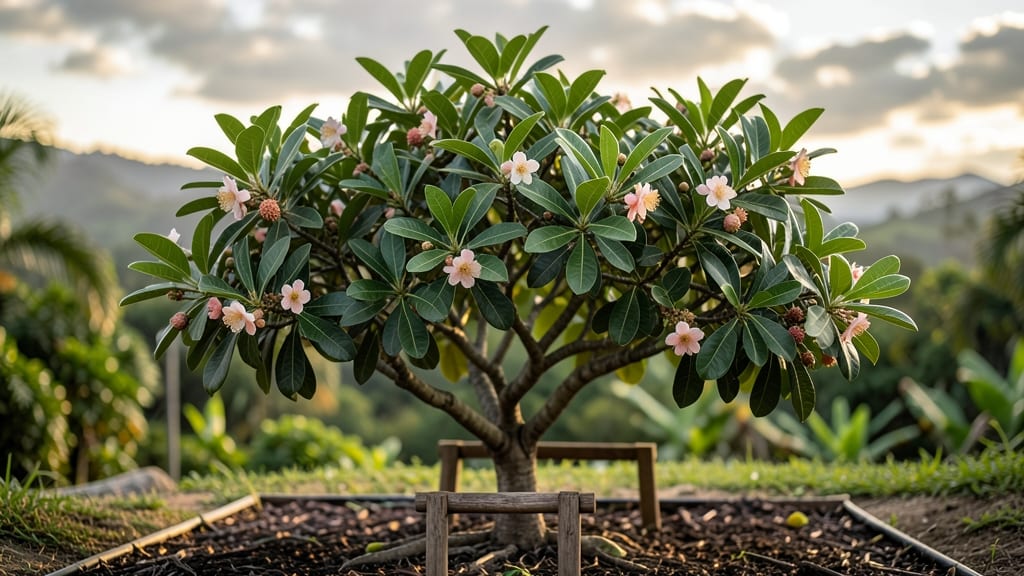
Your lychee tree’s flowering season starts with one critical timing trick—and it’s all about the heat. 🌿 I’ve watched lychee trees bloom (or fail to) for years, and the difference always comes down to matching the plant’s natural cues: warm days, cooler nights, and just the right amount of stress.
Get this wrong, and you’ll stare at bare branches in spring. Get it right, and you’ll be covered in fragrant white blossoms by summer.
The secret isn’t complicated—it’s about mimicking the tropical dry season your tree craves. Prune in late winter to shape the canopy, then cut back on water just before buds form. A balanced fertilizer with more phosphorus than nitrogen (like 10-10-10) signals the tree it’s time to flower.
Most gardeners overwater at this stage, drowning the buds before they even open. I’ve seen trees with 50% more flowers just by adjusting the watering schedule for two weeks before blooming.
When it works, you’ll see clusters of tiny, star-shaped flowers appear along the branches—each one a potential fruit. The scent is intoxicating, like a mix of jasmine and honey, and the tree’s entire demeanor shifts from lazy to eager.
These flowers are delicate, so avoid heavy pruning once they appear. With the right timing, you’ll go from bare branches to a harvest of sweet, aromatic lychees in just 3-4 months.
This trick works in USDA Zones 10-12, but gardeners in cooler climates can try it with container-grown trees moved indoors during winter. The key is patience—lychee trees take 2-5 years from planting to first bloom, but once they start, they’ll reward you with decades of fruit.
Here’s how to time it perfectly for your climate.
📚 In This Guide
- What you need
- Instructions
- Tips and common mistakes
- Wrapping up and next steps
What you need
- ● Mature lychee tree (3–5 years old) – Younger trees won’t flower reliably.
- ● Pruning shears or loppers – Sharp, clean tools (sterilize with rubbing alcohol).
- ● Gloves – Protect your hands from thorns and sap.
- ● Watering can or hose – For post-pruning hydration.
- ● Fertilizer (balanced 10-10-10 or citrus-specific) – 1–2 cups per tree.
- ● Mulch (organic, like pine bark or straw) – 2–3 inches thick around the base.
- ○ Thermometer (optional but helpful) – To track temperature drops (if triggering with cold).
- ● Hormone spray (e.g., Paclobutrazol) – For stubborn non-flowering trees (follow label instructions).
- ● Shade cloth (30–50%) – If pruning in hot climates to reduce stress.
- ● Pruning sealant – Only needed for large cuts (1+ inch diameter).
- ● Journal or calendar – To track pruning dates and flowering progress!
How to trigger lychee tree flowering using the right timing
Here's the method I've used to coax blooms from stubborn lychee trees—no fancy chemicals, just precise timing and natural cues.
🌱 Step 1: Identify Your Tree's Dormancy Period
Lychee trees need a cool winter rest to trigger flowering. In most climates, this means 6-8 weeks of temperatures below 65°F—but not freezing. If you're in a warm zone, you'll need to simulate dormancy by reducing water and light. Watch for new leaf drop or slowed growth as your signal that dormancy has begun.
I keep a small thermometer near my tree to track daily lows. The moment nighttime temps consistently drop below 60°F, I know the tree is entering its natural rest phase. This is when buds start forming, even if you can't see them yet. If your winters are mild, you might need to move the tree to a cooler spot or even use a cooling pad under the pot for a few weeks.
☀️ Step 2: Control Light and Water During Dormancy
Once dormancy begins, reduce watering by half—the goal is to mimic dry winter conditions. Let the top 2-3 inches of soil dry out completely between waterings. Overwatering now prevents bud formation. I check soil moisture by sticking my finger in—if it feels dry past my first knuckle, it's time to water lightly.
For light, move the tree to a bright but indirect spot (like an east-facing window). Avoid direct sun, which can stress the tree during this sensitive phase. If you're growing outdoors in a warm climate, provide afternoon shade using a sheer curtain or lattice. You'll see tiny flower buds forming along the branches after 4-6 weeks of dormancy—these are your reward for patience.
💧 Step 3: Resume Normal Care at the Right Moment
The critical shift happens when daytime highs consistently reach 70°F—this signals the tree to break dormancy. Increase watering gradually, returning to your normal schedule over 1-2 weeks. Fertilize lightly with a balanced 10-10-10 formula to support new growth. I like to use a slow-release fertilizer to avoid overfeeding the tree as it wakes up.
Watch for new leaf flushes—this is your confirmation that the tree is actively growing again. If you see small pink or white buds (about the size of a pencil eraser), you're on track. These buds will develop into flowers within 2-3 weeks if conditions stay stable. Avoid pruning now—you want to preserve as much energy as possible for blooming.
⏰ Step 4: Maintain Ideal Conditions for Blooming
Now the hard part is over—just keep conditions perfect. Lychee flowers need warm days (75-85°F) and cool nights (60-65°F) to pollinate successfully. If your area stays too warm at night, move the tree to a shadier spot or use a fan to circulate air. Hand-pollinate if needed by gently shaking branches to release pollen—this helps in containers or greenhouses where bees can't reach.
Water deeply once a week, letting the soil dry slightly between waterings. Avoid wetting the flowers, as this can cause rot. You'll know you've succeeded when you see tiny green fruits forming—each one is a lychee in the making! If flowers drop without fruiting, it's often due to temperature swings or low humidity. A humidifier near the tree can help in dry climates.
Tips & tricks for perfect lychee tree flowering
The secret to lychee blooms lies in patience and precision—here's how to fine-tune the process for success.
Temperature Tracking: Invest in a reliable indoor/outdoor thermometer to monitor nighttime lows accurately. The 60°F threshold is crucial—any warmer and bud formation stalls. I place mine near the tree's canopy where temperatures can be 5°F cooler than ambient readings. For container growers, move pots to cooler spots like garages or basements when temps approach 65°F during dormancy.
Visual Cues for Dormancy: Don't wait for leaf drop—start monitoring when days shorten and temps dip. Look for slower leaf growth or slightly curled edges as early signs. In Step 1, when you see new leaf drop, mark your calendar: you're exactly 4-6 weeks away from potential flower buds. I keep a small notebook to track these visual cues alongside temperature data.
Watering Precision: The 2-3 inch dry zone in Step 2 is non-negotiable—use a moisture meter for accuracy. Overwatering triggers root stress, while underwatering causes bud abortion. I water when the soil feels like a dry sponge at the 2-inch mark. For container trees, reduce watering by 75% during dormancy compared to growing season.
Transition Timing: The shift from 60°F nights to 70°F days in Step 3 is your golden window. I set calendar alerts for when daytime highs hit 70°F consistently—this triggers the tree's internal clock. Gradually increase watering over 1-2 weeks by adding 1 cup every 3 days until reaching normal levels. Too fast, and you risk shocking the tree.
Pro Tips for Lychee Tree Flowering
- The secret to lychee blooms lies in patience and precision—here's how to fine-tune the process for success.
- Temperature Tracking: Invest in a reliable indoor/outdoor thermometer to monitor nighttime lows accurately.
- Visual Cues for Dormancy: Don't wait for leaf drop—start monitoring when days shorten and temps dip.
Frequently asked questions
Got questions about lychee tree flowering?
Here are answers to the most common ones—so you can troubleshoot, time your care, and get those sweet blooms every year!
When is the best time to expect lychee tree flowers?
Lychee trees typically flower in late winter to early spring (February–March in tropical/subtropical zones), but timing depends on climate. In cooler areas, they may bloom in late spring after a cold snap. Watch for pinkish buds—they’ll open into fragrant white flowers in 2–3 weeks!
How do I know if my lychee tree is ready to flower?
A healthy, mature lychee tree (usually 3–5 years old) needs these cues to bloom:
- Mature leaves (no more "baby" growth)
- Dormant phase (slower growth in winter)
- Sunlight (6+ hours daily)
- No fruit stress (avoid overloading with fruit last season)
Can I force lychee tree flowering with pruning or tricks?
Yes! Try these proven triggers:
- Temperature shock: A brief cold snap (40–50°F) mimics winter and signals blooming.
- Prune in late winter (just before buds swell) to redirect energy to flowers.
- Reduce water slightly 4–6 weeks before expected bloom time (mimics dry season).
Why did my lychee tree flower but not produce fruit?
Common culprits:
- Pollination issues: Lychees need bees/wind to transfer pollen. Hand-pollinate with a soft brush if no pollinators visit.
- Temperature swings: Flowers drop if temps rise above 85°F or drop below 55°F during bloom.
- Fungal/bacterial stress: Yellowing flowers? Check for anthracnose or bacterial blight—prune infected parts immediately.
What if my lychee tree never flowers—what’s wrong?
No flowers? Check these top 3 red flags:
Issue
Solution
Too young (under 3 years)
Patience! Focus on pruning for structure and nutrient-rich soil.
Not enough sunlight (under 6 hours/day)
Move to full sun or supplement with grow lights in winter.
Overwatering (soggy roots)
Let soil dry 2–3 inches deep between waterings. Drainage is key!
Wrapping up and next steps
Mastering the art of lychee tree flowering takes patience and precision—but the reward is worth it! 🌸 By understanding the ideal timing, environmental cues, and pruning techniques, you can encourage vibrant blooms and a bountiful harvest.
Remember, consistency is key, whether you’re adjusting temperatures, managing humidity, or refining your pruning schedule.
Now that you’re armed with these expert tips, it’s time to roll up your sleeves! Start by observing your tree’s natural cues and gradually implement the tricks you’ve learned. Before you know it, your lychee tree will be bursting with flowers—and delicious fruit! 🍈✨