
Pruning
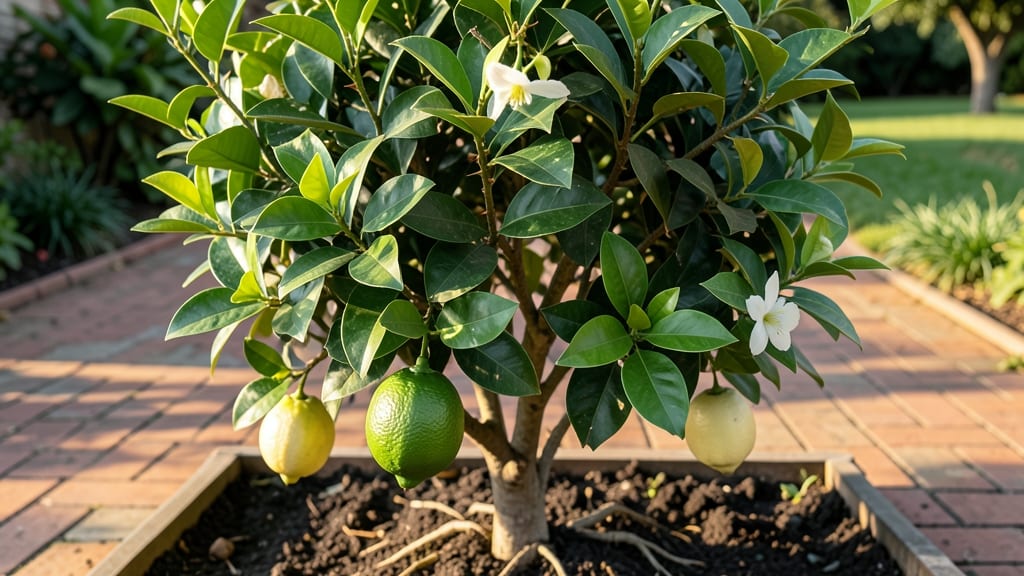
Pruning a lime tree with thorns transforms it from a tangled mess into a productive, manageable citrus powerhouse. 🌿 The sharp spines might make you hesitate, but with the right technique, you’ll encourage better fruit production, improve airflow, and keep the tree’s shape under control—all while staying safe.
My Persian lime tree went from a thorny jungle to a tidy, fragrant beauty after just one season of targeted cuts.
Start by identifying your lime variety—key limes have smaller, denser thorns, while Persian limes tend to be slightly more manageable. The best time to prune is late winter or early spring, before new growth begins.
Use sharp bypass pruners (never dull shears—they tear bark) and wear heavy-duty gloves to protect your hands. Focus on removing dead wood first, then thin out crowded branches to let sunlight reach the center.
You’ll notice a difference almost immediately: fewer thorns on new growth, more accessible fruit, and a tree that’s easier to move around. By summer, your tree will be bursting with limes and looking like a well-behaved citrus specimen.
The key is consistency—prune lightly every few months to maintain shape and safety.
This method works for both backyard trees and container-grown limes. Just remember: patience is key. Thorns don’t disappear overnight, but with regular pruning, your tree will become far more cooperative—and far more rewarding—over time.
📚 In This Guide
- What you need
- Instructions
- Tips and common mistakes
- Wrapping up and next steps
What you need
- ● Pruning shears: Bypass pruners (for small to medium branches) – sharp, clean, and sterilized (1 pair).
- ● Loppers: For thicker branches (up to 2 inches in diameter) – long-handled, sturdy (1 pair).
- ● Pruning saw: For branches thicker than 2 inches – curved blade for smooth cuts (1 saw).
- ● Gloves: Heavy-duty, thorn-resistant (e.g., mechanized or leather) – 2 pairs (one for cutting, one for handling thorns).
- ● Safety glasses: To protect against debris – 1 pair.
- ● Disinfectant: 70% isopropyl alcohol or bleach solution (1 bottle or spray).
- ○ Pruning sealant: (Optional but helpful) – 1 small tube (e.g., tree wound dressing).
- ● Ladder: Sturdy, extendable (if tree is tall) – 1 ladder (ensure it’s rated for your weight).
- ● Heavy-duty trash bags: For collecting pruned branches – 2-3 bags.
- ● Pole pruner: For high branches (if ladder isn’t an option).
- ● Work boots: With ankle support for stability.
- ● First-aid kit: In case of thorn pricks or minor cuts.
- ● Notebook & pen: To jot down notes on pruning decisions.
- ● Tree growth regulator: (e.g., seaweed extract) to support recovery.
Instructions for pruning a lime tree with thorns
This is how I keep my thorny lime tree thriving year-round—focused on safety, shape, and fruit production.
✂️ Step 1: Assess the Tree and Gather Tools
Start by examining your lime tree for dead, diseased, or crossing branches. I always wear heavy-duty gloves and long sleeves—those thorns are no joke. Use clean, sharp pruning shears for branches under ½ inch thick, and a pruning saw for anything thicker. Disinfect your tools with rubbing alcohol to prevent spreading disease between cuts.
Look for branches that rub against each other or grow inward—they’ll compete for sunlight and eventually damage each other. Thorns cluster at branch junctions, so plan your cuts carefully. Mark branches to remove with a piece of tape if you’re unsure, then double-check before making any cuts.
🌿 Step 2: Remove Dead, Diseased, or Problematic Branches
Cut out any branches that are dead (brown or brittle), diseased (mushy, discolored, or oozing sap), or crossing (rubbing against others). Make your cuts just outside the branch collar—the swollen area where the branch meets the trunk. This ensures the tree can seal the wound properly and prevents decay.
For thorny branches, work systematically from the bottom up. If a branch is too thick to cut cleanly with shears, use your pruning saw and make a single, smooth cut rather than multiple rough ones. Remove any suckers—those are the aggressive shoots growing from the base or trunk—and pull them out completely at the root.
☀️ Step 3: Thin the Canopy for Better Airflow and Light
Step back and visualize the tree’s shape. You want an open, vase-like structure that allows sunlight to reach the center. Remove 20-30% of the foliage to improve airflow, which reduces humidity and fungal diseases. Focus on branches growing straight up or inward—these block light and create dense, thorny tangles.
Cut branches back to a bud or side branch that grows outward. Avoid leaving stubs, as they invite disease. If you’re pruning for fruit production, prioritize branches with flower buds—these will bear your limes. Thin the canopy in stages if needed; don’t remove more than ⅓ of the tree’s foliage in one session.
⏰ Step 4: Shape the Tree and Encourage Growth
Now’s the time to refine the tree’s shape. For a standard lime tree, aim for a balanced, rounded canopy with a clear central leader (the main upward-growing branch). If your tree is young, guide its growth by pruning competing leaders—keep only the strongest, straightest branch. For older trees, maintain the existing structure but remove any branches that disrupt the balance.
Thorny lime trees respond well to light pruning year-round, but the best time to shape is late winter or early spring before new growth begins. Avoid heavy pruning in summer, as it stresses the tree and can reduce fruit production. After pruning, water deeply to help the tree recover and encourage new growth.
🪴 Step 5: Clean Up and Monitor for Recovery
Rake up and dispose of all pruned branches—don’t leave them on the ground, as they can harbor pests or diseases. Collect fallen leaves and debris from beneath the tree as well. Disinfect your tools again before storing them to keep them ready for next time.
Watch your lime tree closely after pruning. New growth should appear within 2-4 weeks, signaling the tree is recovering well. If you notice yellowing leaves, wilting, or excessive sap oozing, you may have pruned too aggressively. Adjust your approach for next time—thorny lime trees are resilient, but they do have limits.
Tips & tricks for pruning thorny lime trees
Pruning a thorny lime tree isn't just about cutting branches—it's about understanding how to encourage healthy growth while keeping those sharp thorns under control.
Safety First: Those thorns are serious business. I can't stress enough how important it is to wear heavy-duty gardening gloves and long sleeves when working with lime trees. I've learned this the hard way—once I tried to rush through pruning without proper protection and ended up with a very painful reminder! Consider using a long-sleeved shirt with reinforced fabric or even a lightweight apron for extra protection. For the most sensitive areas, you might want to wear face protection too, especially if you're working in dense foliage.
Tool Selection Matters: The right tools make all the difference when pruning thorny trees. For branches under ½ inch thick, invest in a good pair of bypass pruners—they make clean cuts that heal better. For thicker branches, a folding pruning saw with a fine-toothed blade will give you more control. I always keep a small bottle of rubbing alcohol handy to disinfect my tools between cuts, especially when dealing with diseased branches. This simple step prevents spreading pathogens throughout your tree.
Strategic Pruning Approach: When thinning the canopy in Step 3, focus on creating an open center that allows sunlight to penetrate. I like to visualize the tree as a vase shape—broad at the bottom and narrowing slightly toward the top. This structure prevents dense thorn clusters in the center while maximizing fruit production. Remember, you're aiming to remove 20-30% of foliage, not more. Cut back to outward-facing buds to encourage new growth in the right direction. The goal is to create a tree that's both productive and manageable to work around.
Seasonal Timing Insight: While you can do light pruning year-round, that late winter/early spring timing in Step 4 is crucial for major shaping. This is when your lime tree is just waking up from dormancy but hasn't yet started active growth. The tree can heal quickly from pruning wounds before putting energy into new leaves and fruit. I've found that pruning at this time gives me the best balance between shaping the tree and setting it up for a productive growing season. Avoid heavy pruning in summer—it stresses the tree and can reduce your lime harvest.
Pro Tips for Lime Tree With Thorns
- Pruning a thorny lime tree isn't just about cutting branches—it's about understanding how to encourage healthy growth while keeping those sharp thorns under control.
- Safety First: Those thorns are serious business.
- Tool Selection Matters: The right tools make all the difference when pruning thorny trees.
Frequently asked questions
Got questions about pruning your lime tree with thorns?
You’re not alone! Here are some of the most common concerns—plus quick, actionable answers to keep your tree thriving.
When is the best time to prune a lime tree with thorns?
Prune your lime tree in late winter or early spring (before new growth starts) for best results. Avoid heavy pruning in summer or fall, as it can stress the tree and make it vulnerable to pests or disease. Light maintenance (removing dead branches) can be done year-round, but never prune during frost.
How do I safely prune thorny branches without getting hurt?
Safety first! Wear thick gloves (leather or pruning-specific) and long sleeves. Use long-handled loppers or pruning saws to avoid reaching into thorny areas. If possible, prune on a clear day when branches are less tangled. Pro tip: Trim from the underside of branches to reduce snagging.
Should I remove all the thorns from my lime tree?
No—thorns serve a purpose! They protect the tree from pests and animals. Focus on removing only diseased, dead, or crossing branches that could harm the tree’s structure. Over-pruning thorns can weaken the tree’s natural defenses. Thin out selectively for airflow and sunlight access.
Will pruning my lime tree increase fruit production?
Yes, but only if done correctly! Pruning improves air circulation and sunlight exposure, which boosts fruit quality and yield. Remove water sprouts (shoots growing straight up) and suckers (shoots at the base)—these drain energy from fruit production. Goal: Aim for an open, vase-like shape for optimal fruit growth.
My lime tree has brown, mushy spots after pruning. What went wrong?
This could signal bacterial infection or over-pruning stress. Sterilize your tools with rubbing alcohol before/after cuts, and avoid cutting into wet wood. If spots persist, treat with a copper fungicide. Prevent future issues: Prune in dry weather and never leave jagged cuts—always seal with pruning sealant if needed.
Wrapping up and next steps
Pruning your lime tree with thorns is a rewarding way to keep it thriving year-round! By following proper techniques—like timing, tool selection, and shaping—you’ll encourage healthier growth, better fruit production, and even reduce those pesky thorns. 🌿✂️
Now that you’re armed with the knowledge, roll up your sleeves and get pruning! Start small if you’re new, and don’t forget to celebrate each step—your lime tree will thank you with lush foliage and sweet, tangy rewards. Happy pruning!