
Diseases
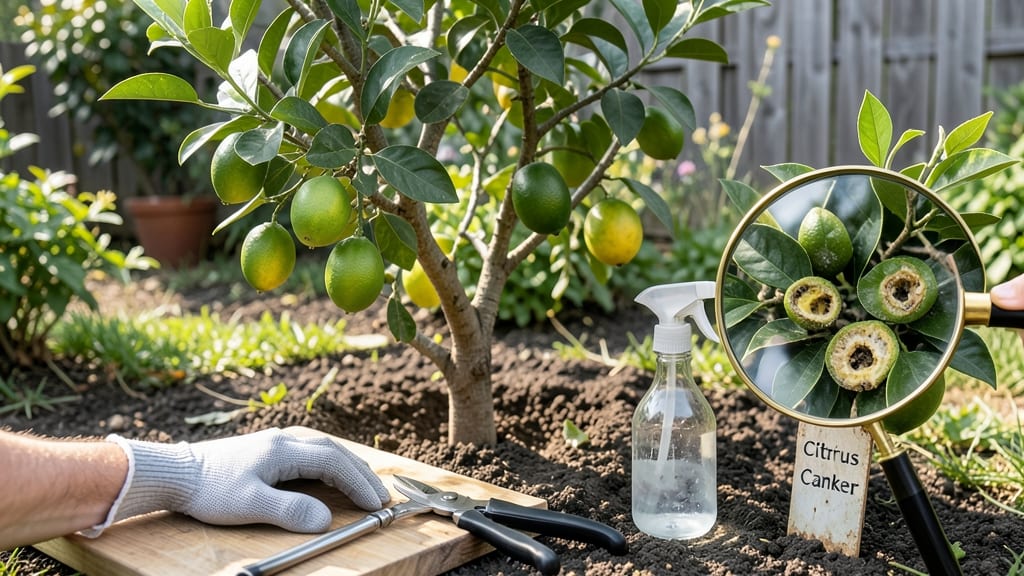
Spotting lime tree diseases with pictures early saves your tree—and your patience. 🌿 I’ve seen citrus greening turn vibrant leaves into skeletal branches overnight, and anthracnose transform fruit into rotting messes before harvest.
This guide gives you the visual cues to catch problems before they spread, plus the fixes that actually work.
The worst offenders—like citrus greening and fungal blights—start with subtle clues: yellowing veins, sticky sap, or tiny black spots on leaves. I’ll walk you through exactly what to look for, from the first signs to full-blown damage, so you can act fast.
No more guessing whether those brown patches are normal or a death sentence for your tree.
You’ll learn how to prune infected branches correctly, apply the right fungicides (and when to skip them), and even save a tree that’s already showing symptoms. The key is acting at the first warning—before the disease moves from leaves to roots. Trust me, your tree will thank you.
Whether you’re dealing with a backyard lime tree or a grove of commercial citrus, these solutions work. The pictures alone will help you diagnose faster than any description—because sometimes, a visual just clicks. Let’s get your tree healthy again.
Root Causes Of Lime Tree Ailments
Understanding why lime trees fall victim to diseases helps you tackle them effectively. These issues often stem from a mix of environmental stress, poor tree health, and pathogen opportunism. Let’s break down the key reasons behind common lime tree diseases—so you can address them before they spiral out of control.
Fungal diseases thrive when lime trees are already stressed. Here’s how they exploit vulnerabilities:
- Moisture Overload: Lime trees love warmth but hate soggy conditions. Fungi like anthracnose and powdery mildew latch onto leaves and branches when humidity stays high (above 75%) or water pools around the base.
Overwatering or poor drainage creates the perfect fungal buffet. - Actionable fix: Space waterings 1–2 inches below the soil surface and ensure the tree’s root zone has good airflow (prune dense foliage).
- Wounded Bark: Cracks, pruning cuts, or storm damage break the tree’s natural barrier.
Fungi like canker diseases (e.g., Botryosphaeria) invade these openings, killing cambium tissue and causing oozing lesions. - Pro tip: Seal pruning wounds with tree wound paint (optional but helpful) and avoid heavy pruning during wet seasons.
- Old Debris: Fallen leaves, twigs, or fruit mats trap moisture and fungi.
Diseases like Phytophthora root rot spread from infected organic matter clinging to the tree. - Cleanup hack: Rake up debris 10+ feet around the tree in late fall/winter and compost it away from the lime tree.
Lime trees under stress are sitting ducks for diseases. Here’s what weakens them:
- Poor Soil Nutrition: Deficient magnesium (Mg), zinc (Zn), or potassium (K) stunt growth, making trees more susceptible to fungal attacks.
Yellowing leaves (chlorosis) often signal nutrient gaps. - Soil test tip: Use a DIY soil kit ($20) to check pH (ideal: 6.0–7.0) and amend with Epsom salt (Mg) or chelated iron if needed.
- Extreme Heat or Cold: Sudden temperature swings (e.g., freezing nights or 100°F+ days) shock lime trees, opening doors for diseases like bacterial leaf spot.
- Shade solution: Plant fast-growing shade trees (e.g., mulberry) on the tree’s west side to buffer afternoon sun.
- Compacted Soil: Roots suffocate in hard, clay-heavy soil, reducing water/nutrient uptake. Weak roots can’t fight off root rot or vascular wilt diseases.
- Aeration fix: Till the top 6–12 inches of soil annually with a broadfork or add compost to improve structure.
Some pests don’t just feed—they spread pathogens like disease couriers. Watch for:
- Scale Insects & Mealybugs: These sap-suckers excrete honeydew, a sticky sugar solution that fosters sooty mold (a black fungal growth). Sooty mold blocks sunlight, further stressing the tree.
- Control method: Spray with neem oil (1 tbsp/gallon water) or introduce ladybugs (natural predators).
- Borers & Beetles: Wood-boring insects create tunnels that let fungi like canker or root rot move deeper into the tree.
- Early detection: Tap branches—hollow sounds mean borers are inside. Treat with beneficial nematodes (e.g., Heterorhabditis bacteriophora).
Even well-meaning gardeners can spread diseases.
Common culprits: - Reusing Infected Tools: Pruners or saws contaminated with canker spores or bacterial ooze can jumpstart new infections. - Sanitize rule: Wipe tools with 70% rubbing alcohol or bleach water (1:10 ratio) between cuts. - Over-Fertilizing with Nitrogen: Too much quick-release N burns roots, making trees vulnerable to root rot.
Slow-release fertilizers (e.g., osmocote) are safer. - Ignoring Pruning Best Practices: Topping trees or leaving stubs creates entry points for fungi. Always cut at a 45° angle just outside the branch collar.
Key Takeaway: Most lime tree diseases are opportunistic—they attack when the tree is weak. By fixing moisture, nutrition, and pest issues, you remove the welcome mat for fungi and bacteria. 🌱🔍
How to Treat and Prevent Lime Tree Fungal Blights
Fungal diseases can turn your once-vibrant lime tree into a sad, leaf-littered shadow—😬—but the good news is that most issues are treatable with the right approach. Below, we’ve mapped out practical, step-by-step solutions for each common lime tree disease, plus prevention tips to keep your tree thriving.
Think of this as your lime tree first-aid kit—ready to tackle problems before they spread!
**🔥 Cause: Fungal spores thrive in wet, humid conditions, causing dark spots on leaves and fruit. 👨🍳 Fix It:
- Remove infected leaves/fruit 🌿—Drop them in a sealed bag (not compost) to prevent spore spread.
- Prune for airflow ⛩️—Thin out dense branches to let sunlight and air circulate.
- Apply fungicide 🛡️—Spray a copper-based or sulfur fungicide (like Bonide Copper Fungicide) every 10–14 days during rainy seasons.
- Water at the base 💦—Avoid overhead watering to keep foliage dry.
💡 Prevention Pro Tip:
- Mulch properly—Keep mulch 3–4 inches away from the trunk to reduce soil moisture near the base.
- Choose resistant varieties—If possible, opt for lime trees like ‘Bearss’ or ‘Meyer,’ which are slightly more resistant.
🔥 Cause: Bacterial spots (often mistaken for fungal) create raised, oozing sores on branches and leaves. 👨🍳 Fix It:
- Sterilize pruners 🧼—Wipe blades with 70% rubbing alcohol between cuts to avoid spreading bacteria.
- Prune infected branches ⏰—Cut 6 inches below visible cankers and dispose of clippings in the trash (not compost).
- Spray copper bactericide 🛡️—Use copper hydroxide (like Kocide 3000) every 2–3 weeks during growing season.
- Avoid overhead watering 💦—Water early in the day so leaves dry quickly.
💡 Prevention Pro Tip:
- Plant in full sun ☀️—Canker spreads slower in dry, sunny conditions.
- Test soil pH—Keep it slightly acidic (6.0–6.5) to reduce bacterial growth.
🔥 Cause: Mycosphaerella fungus creates yellow spots with greasy edges, defoliating trees in humid climates. 👨🍳 Fix It:
- Rake up fallen leaves 🍂—Remove debris from under the tree to starve the fungus.
- Apply fungicide early 🛡️—Use chlorothalonil (like Daconil) or potassium bicarbonate spray before symptoms appear (spring is key!).
- Improve drainage 🌧️—Amend soil with compost to reduce waterlogging.
- Space trees properly 📏—Ensure 6–8 feet between trees for airflow.
💡 Prevention Pro Tip:
- Prune in dry weather ☀️—Avoid trimming during high humidity to prevent spore spread.
- Use drip irrigation 💧—Reduces leaf wetness, a major risk factor.
🔥 Cause: Overwatering or poor drainage leads to soft, mushy roots and wilting leaves. 👨🍳 Fix It:
- Check soil moisture 🌱—Stick your finger 2 inches deep; water only if dry.
- Improve drainage 🚿—Amend soil with perlite or sand, or raise the tree in a mound of soil.
- Apply systemic fungicide 💊—Use Propiconazole (like Aliette) to treat roots.
- Reduce watering 💦—Let soil dry completely between waterings.
💡 Prevention Pro Tip:
- Plant in well-draining soil 🏗️—Avoid clay-heavy areas unless amended.
- Mulch lightly 🍃—Use 2–3 inches of organic mulch, keeping it away from the trunk.
🔥 Cause: Elsinoë fungus creates wart-like scabs on fruit and leaves. 👨🍳 Fix It:
- Remove scabbed fruit/leaves 🍒—Bag and trash them immediately.
- Spray copper fungicide 🛡️—Use copper sulfate or fixed copper every 2–3 weeks in spring.
- Disinfect tools 🧼—Clean pruners with bleach solution (1:10 bleach:water).
- Avoid late-season nitrogen 🚫💪—Too much fertilizer weakens resistance.
💡 Prevention Pro Tip:
- Plant in full sun ☀️—Scab thrives in shady, damp conditions.
- Rotate fungicides 🔄—Alternate between copper and sulfur to prevent resistance.
Want to keep your lime tree healthy long-term? Follow this year-round care plan: ✅ Spring: Apply dormant oil spray to kill overwintering spores. 🌱 ✅ Summer: Mulch properly (2–3 inches, not touching the trunk). 🍃 ✅ Fall: Rake up all debris—fungi hibernate in fallen leaves! 🍂 ✅ Winter: Prune dead branches (but avoid heavy pruning in cold snaps). ❄️
🎯 Final Thought: Most lime tree diseases are manageable—the key is early action and consistent care. Start with proper sanitation, fungicide sprays, and good airflow**, and your tree will bounce back stronger than ever! 🌿💪
(Need a visual guide? Check out our [lime tree diseases pictures] section for side-by-side comparisons!)
Frequently asked questions about lime tree diseases
What are the first signs of citrus greening in lime trees?
Look for yellowing leaves with green veins—this "mottling" is the classic early sign. You’ll also notice stunted growth, small, lopsided fruit, and a general decline in vigor. The disease blocks nutrients, so leaves may appear dull or have blotchy patterns. Act fast: remove infected branches and treat with systemic antibiotics like oxytetracycline.
How can I tell if my lime tree has anthracnose vs. regular leaf spot?
Anthracnose creates dark, sunken spots with concentric rings on leaves and fruit, while regular leaf spot usually appears as small, uniform brown patches. Anthracnose often causes premature leaf drop and cankers on branches. Use a magnifying glass—anthracnose spores appear as tiny black dots in the center of lesions. Copper fungicides work for both, but anthracnose requires more aggressive pruning.
Are there any organic treatments for fungal diseases on lime trees?
Yes! Try a baking soda spray (1 tbsp baking soda + 1 tsp oil + 1 tsp soap per gallon of water) for mild cases like powdery mildew. For more stubborn fungi, use neem oil (2 tbsp per gallon) or potassium bicarbonate. Apply in the early morning on dry leaves for best results. Always test on a small area first—some lime varieties are sensitive to strong organics.
Why does my lime tree keep getting root rot despite proper watering?
Root rot often stems from poor drainage or compacted soil, not overwatering alone. Check if water pools around the base after rain—this signals drainage issues. Amend the soil with perlite or compost, and consider planting on a slight mound to improve runoff. If the tree is already infected, prune affected roots (sterilize tools first!) and treat with mycorrhizal fungi to boost root health.
Can I save a lime tree that's already lost most of its leaves?
It depends on the cause! If it's citrus greening, recovery is unlikely without professional treatment. For fungal diseases, prune back 30% of the canopy to reduce stress, then fertilize with low-nitrogen, high-potassium mix to rebuild energy. Water deeply but infrequently, and monitor for new growth. If the tree shows no signs of recovery after 4–6 weeks, consider replacing it—some diseases weaken trees permanently.